The Little Boy Who Could Barely Move
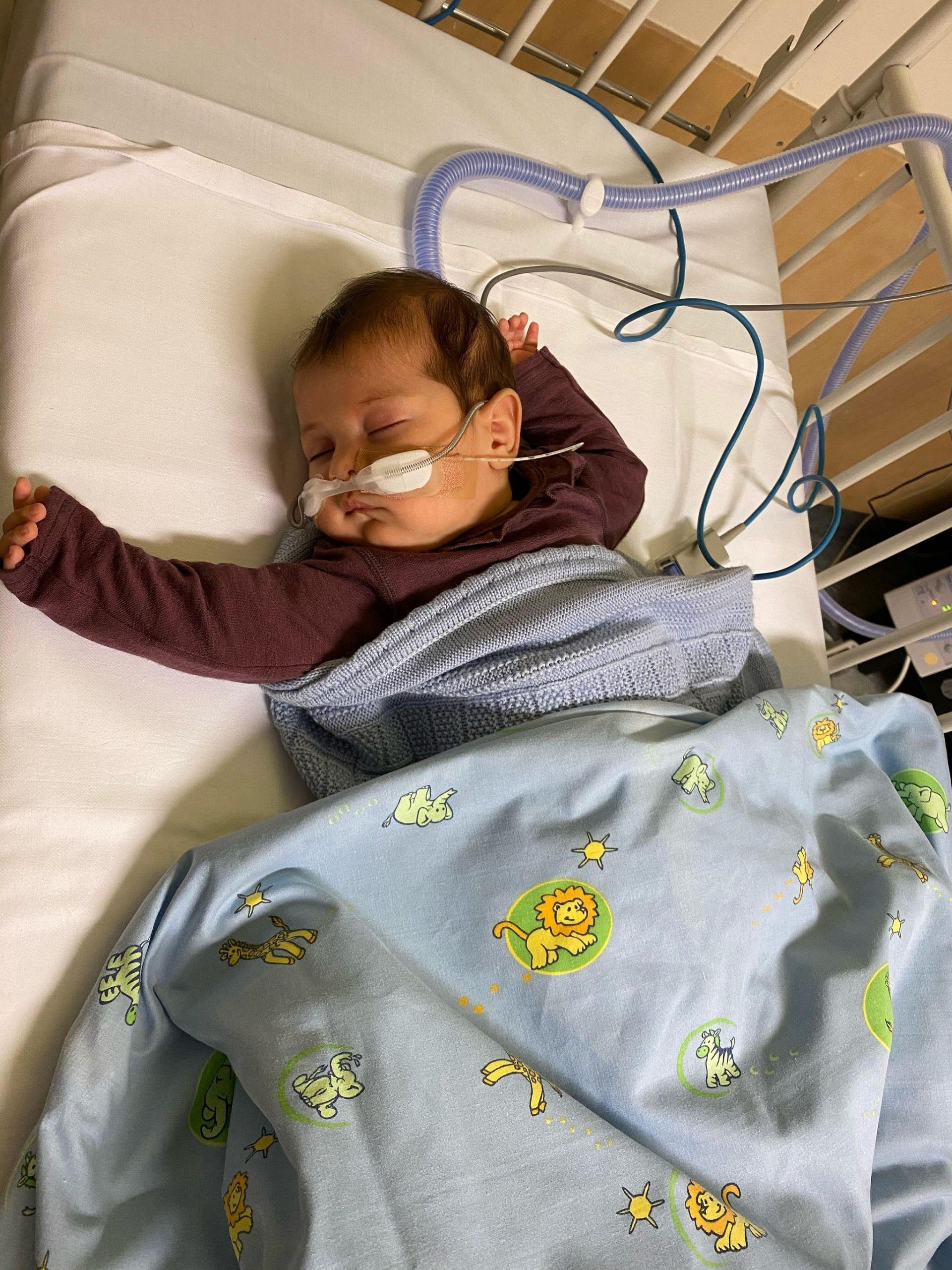
At just 10 months old, little Noah was facing a medical battle that most babies his age could never imagine.
While other children were beginning to crawl, reach for colorful toys, sit up, and explore everything around them, Noah struggled with even the smallest movements.
His tiny arms and legs were unusually weak.
He could not lift his little body like other babies. Sitting independently was difficult, and reaching for a toy sometimes required more effort than his young body could manage.
His parents initially hoped that he was simply developing more slowly than other children.
But as time pᴀssed, they began noticing that his muscle weakness was becoming increasingly concerning.
After several medical examinations and specialist ᴀssessments, the family received heartbreaking news.
Noah had Spinal Muscular Atrophy, commonly known as SMA.
SMA is a rare genetic neuromuscular disease that affects the nerve cells responsible for controlling voluntary muscle movement. Without adequate functioning of these nerve cells, muscles become progressively weaker.
Depending on the type and severity of the disease, affected babies may experience difficulties with head control, sitting, swallowing, and breathing.
For Noah’s parents, hearing the diagnosis was devastating.
Their little boy was only 10 months old. He should have been discovering the world, playing with toys, and reaching for everything that caught his attention.
Instead, his family suddenly found themselves navigating hospital appointments, medical examinations, specialized treatment, and an uncertain future.
Noah spent much of his time receiving care in a pediatric hospital.
Doctors carefully monitored his breathing, muscle strength, feeding, and overall condition. His medical team also discussed treatment options and supportive care to help manage the effects of the disease.
Some days were particularly difficult.
Noah’s little body became tired easily, and even simple movements could be challenging.
He needed careful ᴀssistance with everyday activities, while his family learned how to recognize his needs and provide appropriate support.
Through everything, his mother rarely left his side.
Every morning, she would sit beside his hospital bed, gently hold his tiny hand, and speak softly to him.
She told him about the outside world, described the sunshine, and talked about the colorful toys waiting for him at home.
Sometimes, she would move a little toy in front of his eyes, hoping to catch his attention.
Noah would quietly follow it with his gaze.
On other occasions, he managed to move his tiny fingers or slowly turn his head toward the sound of his mother’s voice.
These movements might have seemed small to someone else.
But to his mother, they were precious moments.
She celebrated every little response, every smile, and every time her baby seemed to recognize her voice.
His father also remained involved in his care, helping with daily routines and supporting the family through the emotional challenges of the diagnosis.
Their days were filled with medical appointments, treatment discussions, rehabilitation activities, and careful monitoring.
There were moments when the uncertainty felt overwhelming.
They worried about Noah’s future and wondered what challenges he might face as he grew older.
But they continued searching for the best possible care.
With specialized medical treatment, respiratory and nutritional monitoring when needed, and appropriate rehabilitation, Noah’s family worked closely with healthcare professionals to support his development.
They understood that SMA was a serious condition, but they also learned that advances in treatment had created new possibilities for many children diagnosed with the disease.
For now, they focused on the little things.
A peaceful afternoon.
A gentle smile.
A moment when Noah responded to his mother’s voice.
A tiny movement that reminded them of the precious child they loved so deeply.
Noah was still only 10 months old.
He could not understand the medical terms, the hospital procedures, or the worries that filled his parents’ minds.
He simply knew the familiar warmth of his mother’s hands, the sound of her voice, and the comfort of being held close.
His journey was far from easy, but he was surrounded by people determined to give him love, medical care, and every possible opportunity.
Because sometimes, the most meaningful victories are not measured in big milestones.
Sometimes, they are found in one tiny movement, one gentle smile, or one precious moment shared between a mother and her child.
And for Noah’s family, every little moment mattered.