The Boy Who Couldn’t Smile
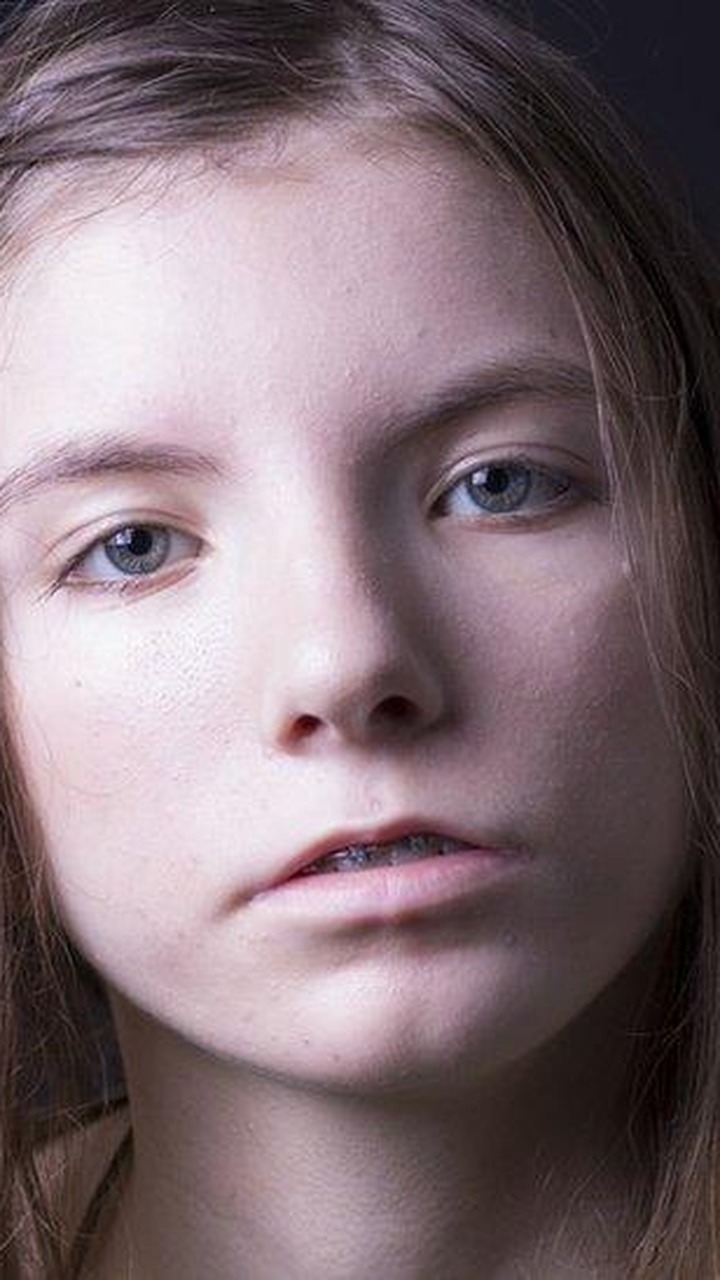
At just six years old, Daniel was living with a rare neurological condition that made his facial appearance very different from that of other children.
He had been born with Moebius Syndrome, an uncommon congenital neurological disorder that primarily affects the sixth and seventh cranial nerves, which are responsible for controlling certain eye movements and the muscles of facial expression.
From infancy, Daniel’s parents noticed that his face did not move in the usual way.
He could not produce a normal smile, raise his eyebrows, or make many of the facial expressions that other children used naturally to communicate their emotions.
His facial muscles remained relatively still, even during moments that would typically make another child laugh or smile.
One of the most characteristic features of his condition was facial paralysis. Because the facial nerve did not function normally, Daniel had difficulty moving the muscles around his mouth, cheeks, and eyes.
He also experienced limited horizontal eye movement. Looking toward objects on either side could be difficult because of impaired movement controlled by the sixth cranial nerve.
Instead of simply moving his eyes sideways, he often needed to turn his head to look in a different direction.
These physical differences affected more than his appearance. They could also influence how he communicated and interacted with other people.
Facial expressions are an important part of everyday communication. A smile can indicate happiness, a raised eyebrow can show curiosity, and a change in expression can help people understand how someone is feeling.
For Daniel, these expressions were not always possible.
When he met unfamiliar people, they sometimes misunderstood his quiet appearance. Some thought he was unhappy, unfriendly, or uninterested, simply because his face did not display the emotions they expected.
But Daniel’s inability to smile did not mean he was unable to experience happiness.
He was a curious little boy with his own interests, preferences, and personality.
He especially loved toy cars. His collection included different shapes and colors, and he enjoyed arranging them into little groups before creating imaginary races across the living room floor.
Music was another important part of his daily life. He enjoyed listening to familiar songs, recognizing favorite melodies, and spending time with his family while music played in the background.
His parents learned to recognize happiness through the small details that other people might overlook.
They noticed how his eyes responded to familiar voices, how his head moved when something caught his attention, and how his behavior changed when he was excited.
His mother became especially attentive to his unique ways of communicating.
She learned that affection did not always need to appear as a smile. Sometimes, Daniel showed his love by reaching for her hand, leaning closer, making a happy sound, or simply wanting to remain beside her.
Moebius Syndrome can affect children in different ways. In addition to facial paralysis and limited eye movement, some children experience difficulties with feeding, swallowing, speech development, and protecting their eyes from dryness.
Depending on their needs, children may benefit from speech therapy, feeding support, occupational therapy, eye care, and specialized medical monitoring.
Daniel’s family worked closely with healthcare professionals to make sure he received appropriate support while encouraging his independence and development.
His mother also wanted him to grow up knowing that his appearance was not something he needed to apologize for.
She reminded him that he did not have to force a smile to make others happy. He did not need to look like everyone else to be accepted, understood, or loved.
To her, Daniel’s happiness could be seen in a hundred different little ways.
It was in the excitement of choosing his favorite toy car, the peaceful moments spent listening to music, and the comfort of sitting beside the people who loved him.
He was not simply a child with a rare neurological disorder.
He was a six-year-old boy who loved playing, exploring, listening, and discovering the world around him.
And although his face could not always express what his heart was feeling, the people closest to him had learned to understand his language.
Daniel’s story reminds us that not everyone expresses happiness in the same way. A person’s emotions, kindness, and capacity to love cannot be judged by the movements of their face.
Sometimes, a smile is not necessary to show someone how deeply they are loved.