The Baby Whose Eyes Turned Yellow
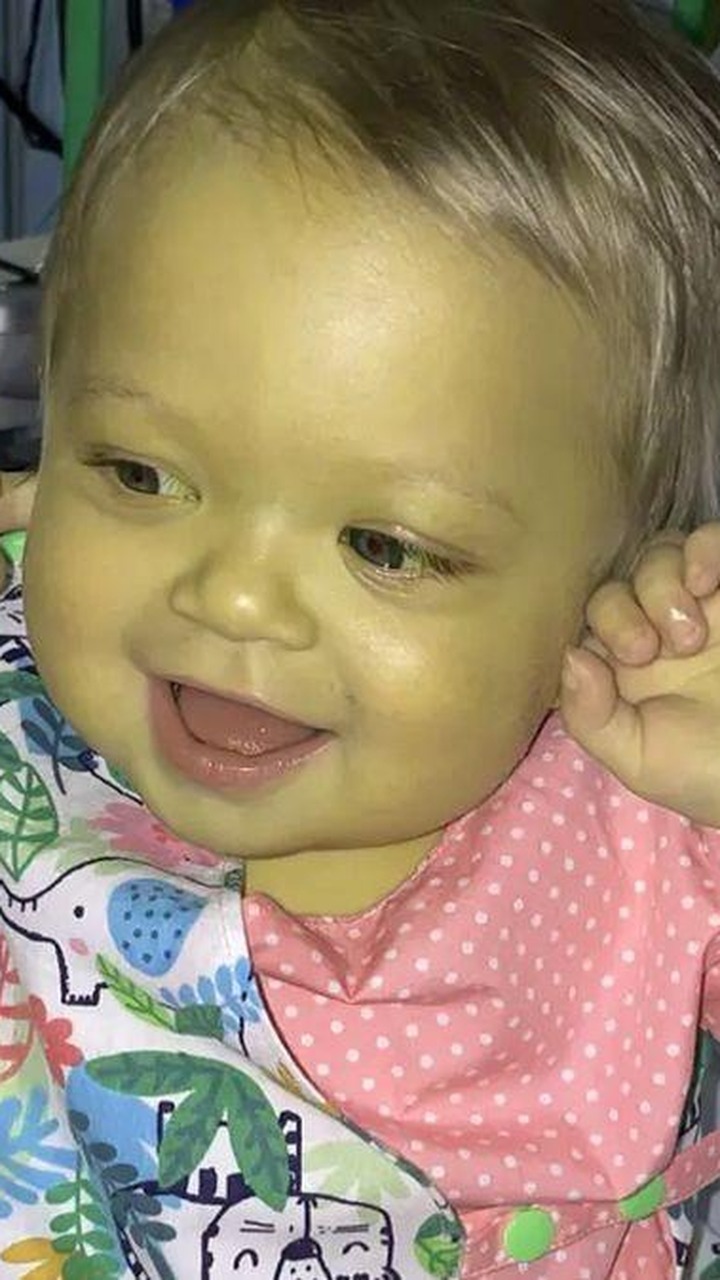
At just one year old, little Lucas was facing a rare genetic disorder that had already made his first year of life very different from that of most babies.
He had been diagnosed with Alagille Syndrome, an inherited condition that can affect several organs, particularly the liver and heart.
One of the first things people noticed about Lucas was the unusual yellowish appearance of his skin and the whites of his eyes.
This condition, known as jaundice, was a result of problems affecting the normal flow of bile through his liver.
Normally, the liver produces bile, a digestive fluid that travels through small ducts into the intestine. Bile helps the body digest fats and absorb important nutrients.
However, in children with Alagille Syndrome, the small bile ducts inside the liver may be unusually narrow, underdeveloped, or fewer in number than normal.
This can interfere with the movement of bile, causing it to accumulate inside the liver. As a result, bilirubin, a yellow pigment normally eliminated through bile, can build up in the bloodstream.
This buildup can cause noticeable yellowing of the skin and eyes.
For Lucas, the condition involved more than a change in appearance.
Problems with bile flow could also affect his body’s ability to absorb fats and fat-soluble vitamins, including vitamins A, D, E, and K. This could create difficulties with nutrition, growth, and overall development.
His parents had to pay close attention to his feeding, weight gain, and general health.
Lucas required regular medical examinations to monitor his liver function, bilirubin levels, nutritional status, and possible complications.
His healthcare team also paid close attention to his heart.
Alagille Syndrome can cause abnormalities in the cardiovascular system, including narrowing of the pulmonary arteries. These blood vessels carry blood from the heart to the lungs, and abnormalities can affect how efficiently blood circulates through the body.
Depending on the individual child, the condition may also involve the kidneys, eyes, skeleton, and other organs.
For Lucas, regular appointments with medical specialists became an essential part of everyday family life.
His parents spent countless hours at the hospital, attending consultations, completing blood tests, and waiting for medical updates.
They learned to recognize the importance of every examination because even small changes in his condition could provide valuable information about his health.
His treatment depended on the specific complications he experienced. Medical care could include nutritional support, specialized vitamin supplementation, medication to help manage cholestasis and itching, and evaluation for more advanced liver treatment when necessary.
The journey was emotionally exhausting for his family.
They had imagined their son’s first birthday filled with laughter, colorful decorations, and carefree moments. Instead, many of their days were organized around medical appointments and concerns about his health.
Yet Lucas still found comfort in the little things that made him feel safe.
He loved being held close to his mother. He would listen to her familiar voice as she gently talked to him, telling him stories and reᴀssuring him that she was always nearby.
Sometimes, he would quietly rest against her chest, surrounded by the warmth and familiar sound of her heartbeat.
His mother treasured these peaceful moments more than anything.
She knew that Alagille Syndrome was a complicated condition that could require ongoing medical care. There were uncertainties about his future, and some days brought more questions than answers.
But she refused to let his diagnosis become the only story told about him.
Lucas was still a curious one-year-old baby who deserved to be held, comforted, loved, and given every opportunity to grow and develop.
His parents continued working closely with his doctors, hoping that each new examination would bring reᴀssuring results and a clearer path forward.
For them, every improvement mattered. Every peaceful night was precious. Every moment Lucas spent resting safely in his mother’s arms was something to cherish.
His story reminds us that rare childhood diseases affect entire families, not just the children diagnosed with them.
Behind every hospital appointment is a parent hoping for good news. Behind every medical examination is a family wishing for more ordinary days together.
And behind Lucas’s yellow eyes was a little boy who simply wanted what every baby deserves: love, security, and the comfort of knowing that someone will always be there to hold him.