SHE HAD JUST RETURNED TO WORK AFTER FIVE MONTHS AWAY — THEN THE DAY ENDED IN TIMES SQUARE
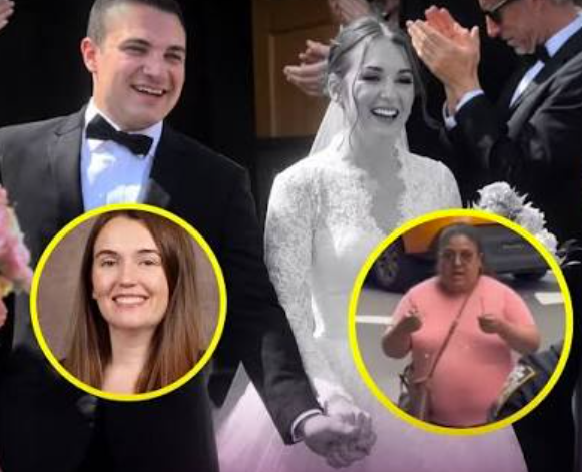
Erin Piacenti’s return to work was supposed to mark a transition back into the rhythm of professional life after becoming a mother. Instead, according to her family, August 31 became the first day back from maternity leave and the last day of her life. The 32-year-old Bank of America vice president had spent months at home after welcoming her daughter Madison, and she was beginning the process of balancing motherhood with a career in Manhattan. By the end of that afternoon, she had been fatally stabbed in Times Square.
The timing of the attack has become one of the most haunting elements of the case. Piacenti had not been away from work for years or preparing for some distant return. She had just completed the first stage of motherhood and was beginning the familiar routine of commuting, working and returning home to her family. According to NBC, she had a five-month-old daughter and had just finished her first day back at work when she was attacked while walking through Midtown Manhattan.
Her professional life had been developing quickly. Piacenti worked as a vice president in business selection and conflicts at Bank of America, a position that reflected her legal education and professional experience. She had graduated from the University of Pennsylvania in 2016 and later earned her law degree from Fordham University in 2021. Reports about her career described her as someone who had built a substantial professional path while also establishing a family life with Frank.
The geography of the incident made the contrast even sharper. Times Square is one of the busiest public spaces in New York, surrounded by offices, theaters, stores, restaurants and thousands of pedestrians. Piacenti was only a short distance from Bank of America’s Manhattan office when the attack happened. The Independent reported that she was walking home through the area after work when she stopped near a vendor. Police later said the suspect attacked two strangers in quick succession.

Authorities identified the suspect as Pamela Cisneros, 49, of Queens. Police said Cisneros had two knives and attacked a 68-year-old man before stabbing Piacenti. Officers confronted Cisneros shortly afterward. According to Police Commissioner Jessica Tisch, officers attempted to get her to drop the weapons and used a stun gun before shooting her when she continued moving toward them with the knives. Cisneros died at the scene.
The police shooting itself became the subject of a separate investigation. New York Attorney General Leтιтia James’s office opened an inquiry because state law requires an investigation into fatal police shootings. The inquiry is distinct from the investigation into the original stabbings and is intended to examine the circumstances surrounding the officers’ use of ᴅᴇᴀᴅly force.
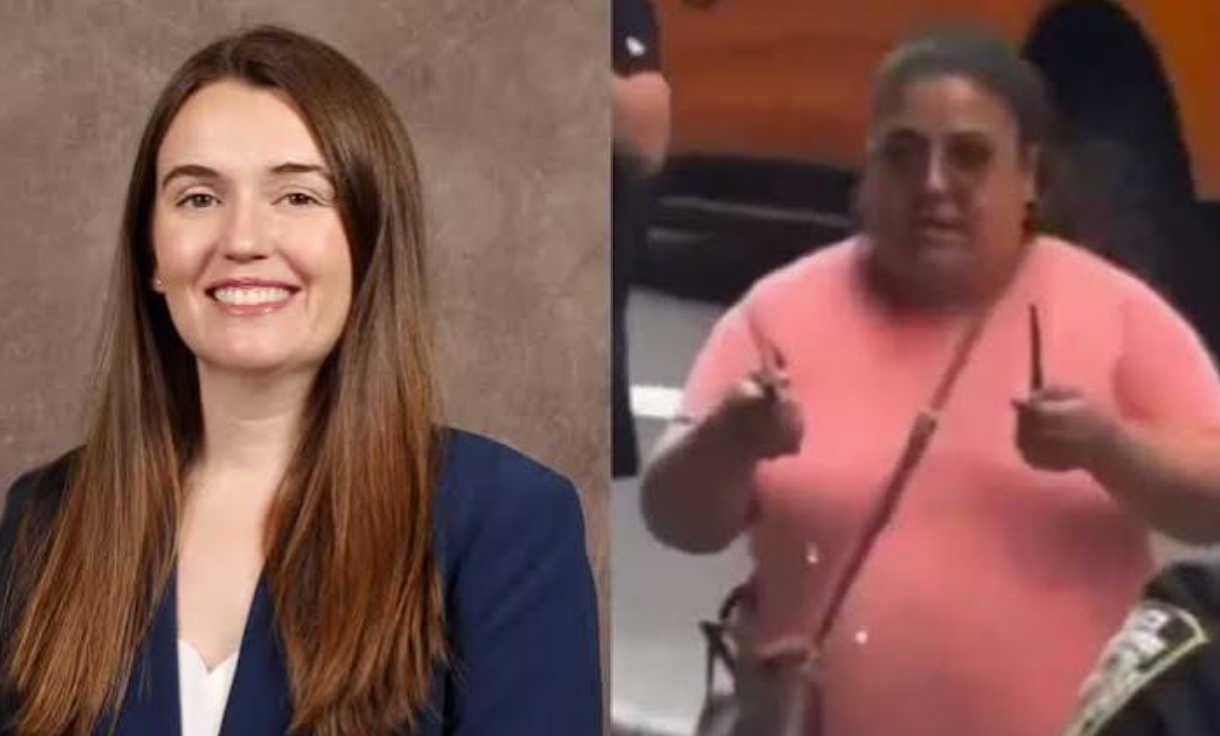
Meanwhile, Piacenti’s family was left confronting the consequences of a day that had begun like a normal return to work. Her husband, Frank, was suddenly caring for their infant daughter without the partner with whom he had recently celebrated their second wedding anniversary. The family’s fundraiser describes the couple as having recently returned from a family road trip and preparing to build their future with Madison.
The public response soon moved beyond the immediate crime. Friends, colleagues and strangers contributed to a fundraiser established for Madison. The campaign was created with the stated goal of supporting the child as she grows up and helping preserve the memory of the mother she will know primarily through pH๏τographs, stories and the people who loved her. By early September, donations had pᴀssed the campaign’s original target.
Piacenti’s story has consequently become intertwined with a larger question about how people remember victims of sudden violence. Headlines naturally focused on the attack, the suspect and the police response. But the details of her final day point toward something more personal: a woman who had just returned to work after becoming a mother, completed a normal professional day and started the journey home. What happened next transformed a routine commute into a tragedy that continues to affect a family, a workplace and a community.