Remembering Aiyana Stanley-Jones: A Tragedy That Continues to Shape Conversations About Police Reform
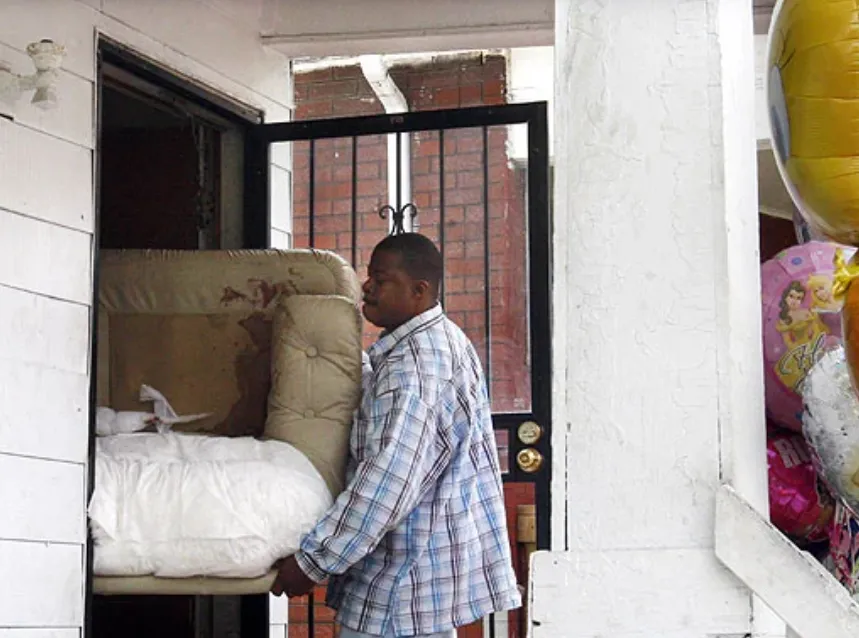
The death of 7-year-old Aiyana Stanley-Jones remains one of the most widely discussed and heartbreaking police shooting cases in modern American history.
More than a decade later, her story continues to raise important questions about police tactics, accountability, and how to better protect innocent lives during high-risk law enforcement operations.
Aiyana was a young child asleep on a couch inside her Detroit home when a police raid unfolded that would forever change her family’s life.
Officers were executing a no-knock search warrant as part of an investigation involving a homicide suspect. A no-knock warrant allows law enforcement officers to enter a residence without prior announcement under specific circumstances.

During the operation, Officer Joseph Weekley discharged his weapon, and Aiyana was fatally struck.
She was not suspected of any crime and was not the intended target of the investigation.
Officer Weekley later stated that the firearm discharged accidentally during an encounter with Aiyana’s grandmother, Mertilla Jones, who was attempting to protect her granddaughter during the chaotic moments of the raid.
However, witness accounts and evidence presented during subsequent legal proceedings led many members of the public to question the official account of events.
The incident quickly sparked widespread protests throughout Detroit.
Community members, activists, and civil rights organizations called for accountability and expressed concerns about the use of aggressive police tactics in residential neighborhoods, arguing that such operations can place innocent people at significant risk.
For Aiyana’s family, the loss was immediate and irreversible.

What began as an ordinary night ended in unimaginable tragedy when a child who had gone to sleep never had the opportunity to wake up again.
The legal proceedings that followed proved to be lengthy and emotionally difficult.
In 2013, the case against Officer Weekley ended in a mistrial, leaving the family without a final resolution and without the sense of closure they had hoped to receive.
Over the years, Aiyana’s family has continued to advocate for justice and broader reforms within policing practices.
Their efforts have helped keep her memory alive while drawing attention to ongoing concerns surrounding no-knock warrants and the use of force during police operations in densely populated neighborhoods.
The case has since become an important reference point in national conversations about policing, public safety, and the impact of law enforcement tactics on vulnerable communities.
Advocates have argued that Aiyana’s story highlights the need to carefully balance effective policing with the responsibility to protect innocent lives.
For many people, her story is remembered not only because of how she died, but because of the larger questions her death continues to raise.
Even years later, her name remains part of discussions about accountability, policy reform, and preventing similar tragedies from happening in the future.
Today, Aiyana Stanley-Jones is remembered as more than a symbol of a national debate.
She is remembered as a child whose life ended far too soon, and whose story continues to inspire calls for change aimed at making communities safer for everyone.