Following Varley’s conviction, child protection experts have questioned whether those repeated injuries, viewed collectively, should have prompted a more extensive safeguarding response.
Authorities have not alleged criminal wrongdoing by any healthcare professional, and no findings have been made that individual doctors or nurses failed in their duties. However, officials are expected to examine the handling of the case through safeguarding reviews designed to identify whether systemic improvements are needed.
Safeguarding systems under renewed examination
The case has reignited discussion among child welfare specialists about the challenges of identifying non-accidental injuries in very young children.
Healthcare professionals are required to balance medical evidence, explanations provided by caregivers, and clinical judgment when deciding whether to initiate child protection procedures.
Experts note that repeated injuries in infants can trigger safeguarding referrals, but each case depends on its individual circumstances and the information available at the time.
Following Preston’s death, several specialists have argued that the case highlights the importance of sharing information between hospitals, social services, and safeguarding teams when multiple concerning incidents occur over a relatively short period.
Any conclusions about the handling of Preston’s case will be determined through formal safeguarding reviews rather than the criminal proceedings.
Court heard evidence of prolonged abuse
During the trial, prosecutors presented extensive medical, forensic, and digital evidence documenting what they described as sustained abuse inside the family home.
Investigators recovered videos from electronic devices that prosecutors argued demonstrated repeated mistreatment of Preston over an extended period.
Medical experts also testified that many of the child’s injuries were consistent with repeated episodes of abuse rather than isolated accidents.
The jury ultimately found Varley guilty of murder after considering all of the evidence presented during the trial.
Former acquaintances speak publicly
Since the conviction, several former neighbors and people who knew Varley earlier in life have spoken to media outlets about their experiences.
Some described behavior they considered unusual or antisocial during his younger years, while others said they were shocked by the evidence presented during the murder trial.
Those statements represent personal recollections shared after the conviction and were not evidence upon which the jury based its verdict.
Adoption and safeguarding processes under review
The case has also prompted renewed examination of adoption procedures and post-placement support.
Prospective adoptive parents in England undergo extensive ᴀssessments that include background checks, interviews, home studies, references, and training before approval is granted.
Following Preston’s death, relevant agencies have indicated they are reviewing the circumstances surrounding the adoption and subsequent safeguarding contacts to determine whether lessons can be learned for future cases.
Officials have emphasized that safeguarding reviews are intended to improve child protection systems rather than ᴀssign criminal liability beyond the convictions already secured.
Remembering Preston
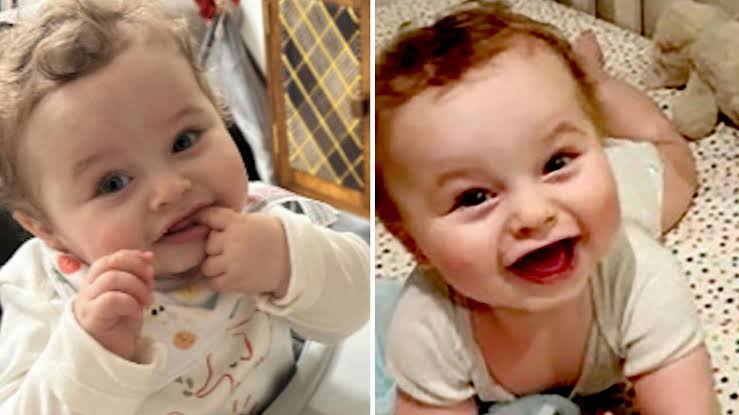
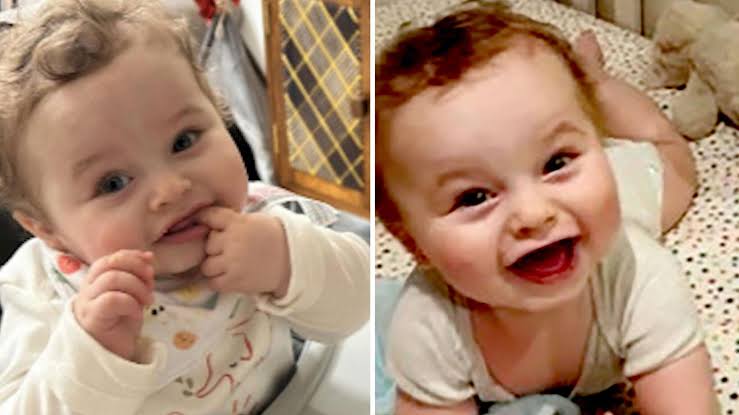
Throughout the proceedings, prosecutors repeatedly reminded the court that the focus of the case remained Preston—a little boy whose life ended before he reached his second birthday.
The whole-life sentence imposed on Jamie Varley brings the criminal trial to a close, but wider questions about safeguarding, information sharing, and early intervention are likely to continue through independent reviews.
For child protection professionals, the case serves as a reminder of the importance of recognizing patterns of repeated injuries and ensuring concerns are fully ᴀssessed whenever a vulnerable child comes into contact with healthcare or social care services.
For Preston’s loved ones, however, those reviews cannot undo the loss of a child whose life they believe should have been protected long before the abuse turned fatal.