Lani’s Case Sparks Wider Conversation on Wildlife Protection in Hawaii After Beach Incident
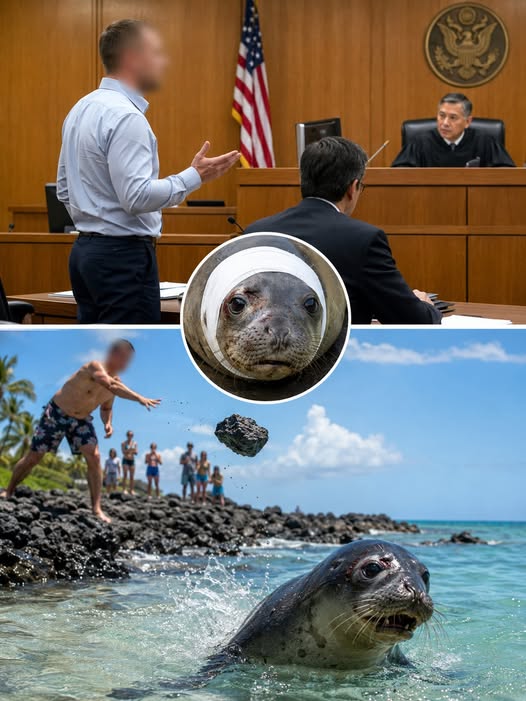
A beach incident in Lahaina, Maui, has continued to draw attention after it led to federal charges against a Washington tourist, identified in reports as Igor Mykhaylovych Lytvynchuk, in connection with an encounter involving a Hawaiian monk seal.
While legal proceedings are ongoing and details remain subject to court review, the case has sparked broader public discussion about how endangered wildlife is protected in high-traffic tourist destinations.
At the center of the conversation is Lani, a Hawaiian monk seal whose story has become symbolic of the challenges facing protected species that share shoreline habitats with humans. The species, known as the Hawaiian monk seal, is one of the rarest seal populations in the world, with only an estimated 1,600 individuals remaining in the wild.
Conservation groups have long emphasized that monk seals often rest on beaches, making them especially vulnerable to disturbance from human activity. As a result, strict guidelines exist in Hawaii urging visitors to keep distance, avoid interaction, and respect posted warning signs in protected areas.
The recent case has intensified debate about whether current protections are sufficient in areas with heavy tourism. Some advocates argue that stronger enforcement and increased public education are necessary to prevent similar incidents in the future, while others emphasize the importance of balancing conservation with public access to natural spaces.
Authorities have not suggested that Lani’s situation reflects a broader pattern of incidents, but the visibility of the case has amplified awareness of the species’ fragile status and the legal protections in place.
Environmental experts note that public behavior plays a significant role in conservation outcomes, particularly in regions where endangered animals and tourism overlap. They stress that even small disturbances can have significant impacts on resting or nursing wildlife.
As discussion continues online, Lani’s story has become a focal point for conversations about responsibility, awareness, and the role visitors play in protecting vulnerable ecosystems.