One-in-a-Million Diagnosis: Baby Rupert’s Brave Battle with Sudden Paralysis and Unpredictable Seizures
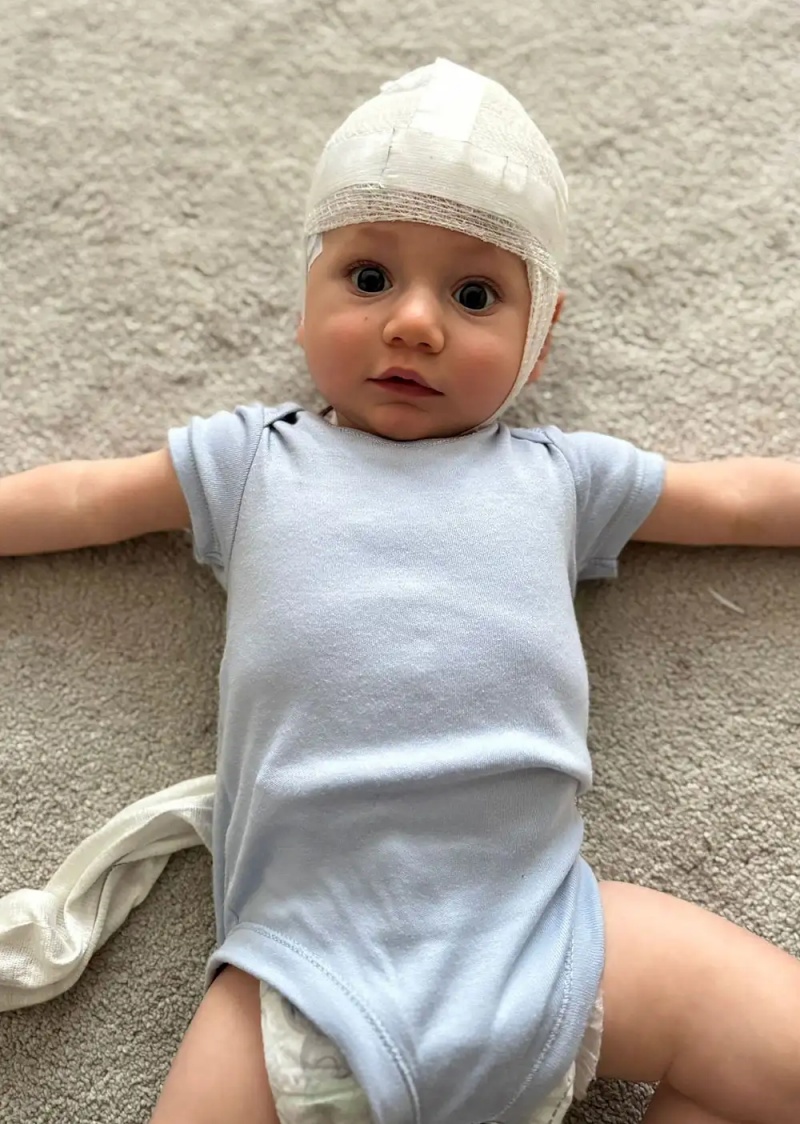
When David and Siobhan Smith welcomed their baby boy Rupert in May 2025, their hearts overflowed with joy. Born in North Wales, England, Rupert appeared healthy aside from a few minor breathing difficulties that seemed manageable. No one could have imagined that this precious newborn would soon face a rare neurological condition so uncommon it is described as “one-in-a-million.”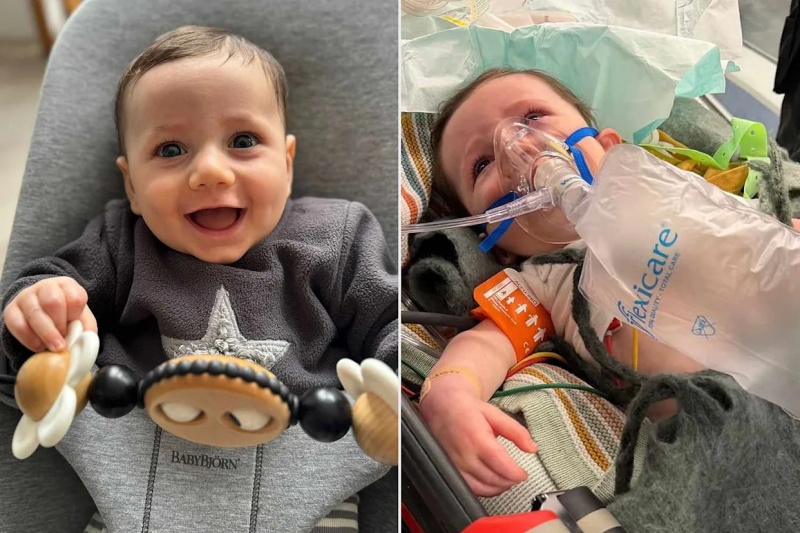
The first warning signs appeared when Rupert was just two weeks old. His parents noticed his eyes flickering side to side and up and down, sometimes locking in one direction. Concerned, they sought medical help. Doctors tested for neuroblastoma, but the results came back clear. Soon after, Rupert began having rigid episodes where his whole body would tense up alongside the unusual eye movements. Initially suspected to be epilepsy, those tests also returned normal. Still, the episodes continued, leaving the young family worried and searching for answers.
At six months old, Rupert faced a terrifying near-death episode. His mother, Siobhan, had to perform CPR to resuscitate him. He was rushed to the hospital, where extensive genetic testing finally provided the diagnosis in January 2026: Alternating Hemiplegia of Childhood (AHC). This ultra-rare neurological disorder stems from a gene mutation and causes repeated episodes of weakness or paralysis on one side of the body, along with seizures. Episodes can be triggered by almost anything — stress, tiredness, hunger, excitement, changes in temperature, bright lights, loud noises, or even something as simple as teething.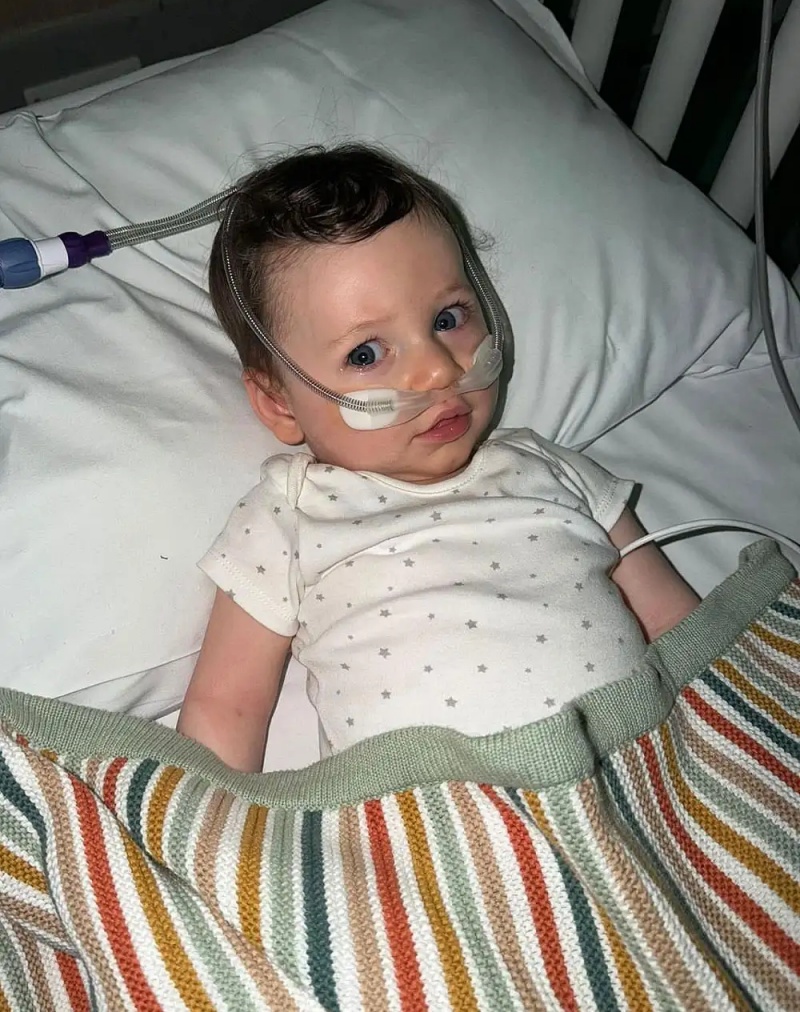
“There is no known treatment or cure,” the family learned. The news was devastating, yet it also brought a sense of clarity after months of uncertainty. Siobhan, 36, and David, 40, now live with a reality few parents can imagine. “We’re on edge all the time,” Siobhan shared openly. “You can’t take your eyes off him at all. It’s very unpredictable. One minute he can be smiling, the next minute he’s having a life-threatening seizure.”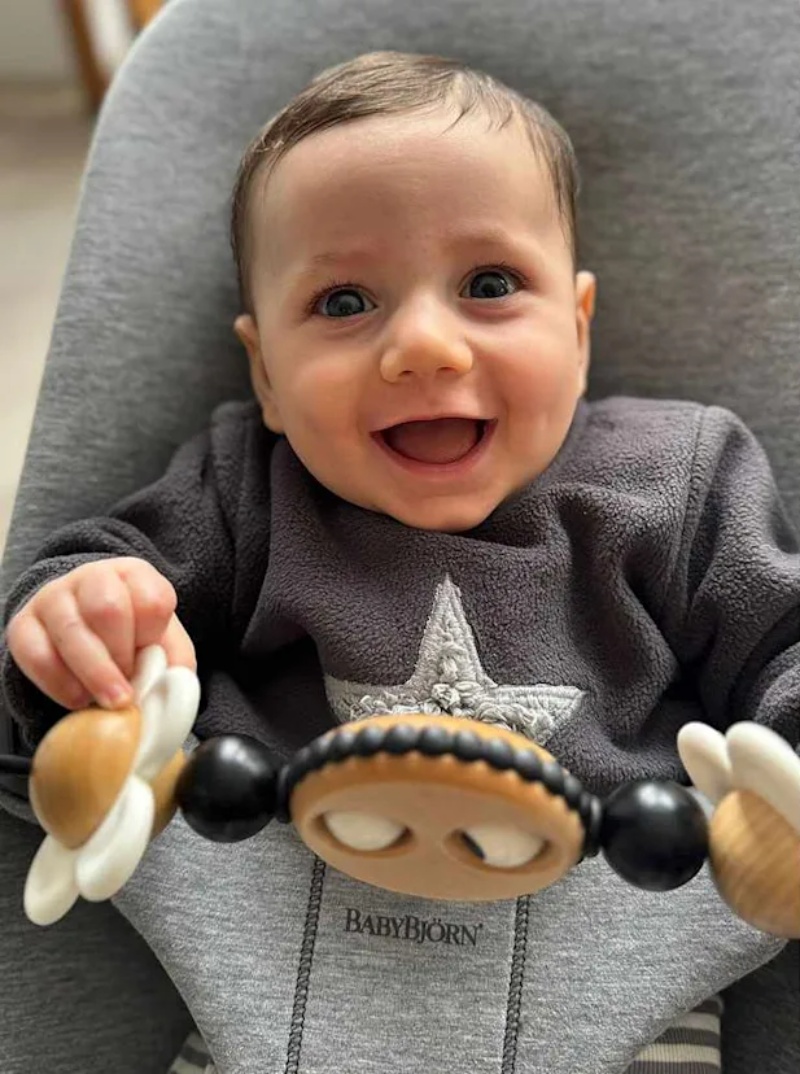
Rupert requires round-the-clock care from a large team of specialists across neurology, respiratory, cardiology, physiotherapy, speech and language therapy, dietetics, hospice, and community nursing at two different hospitals. His parents carry oxygen and emergency rescue medications everywhere they go. Even everyday moments come with caution. “We can’t allow him to become too excited, too upset or too happy because that can trigger something,” Siobhan explained. “To not allow your child to be too happy is really hard to take. But he’s still so smiley, and so determined.”
The family has faced two major episodes since diagnosis — at eight and eleven months old — with one recent cluster lasting over 48 hours and involving twelve seizures, likely triggered by teething. “Something as little as that can cause a significant event,” Siobhan said. David added, “It’s not something Dave or me carry — it’s just a misspelling in his genes. Episodes are triggered by stress on the body: if he’s tired, hungry, too excited, too H๏τ, cold, exposed to water. Even going outside can cause a seizure.”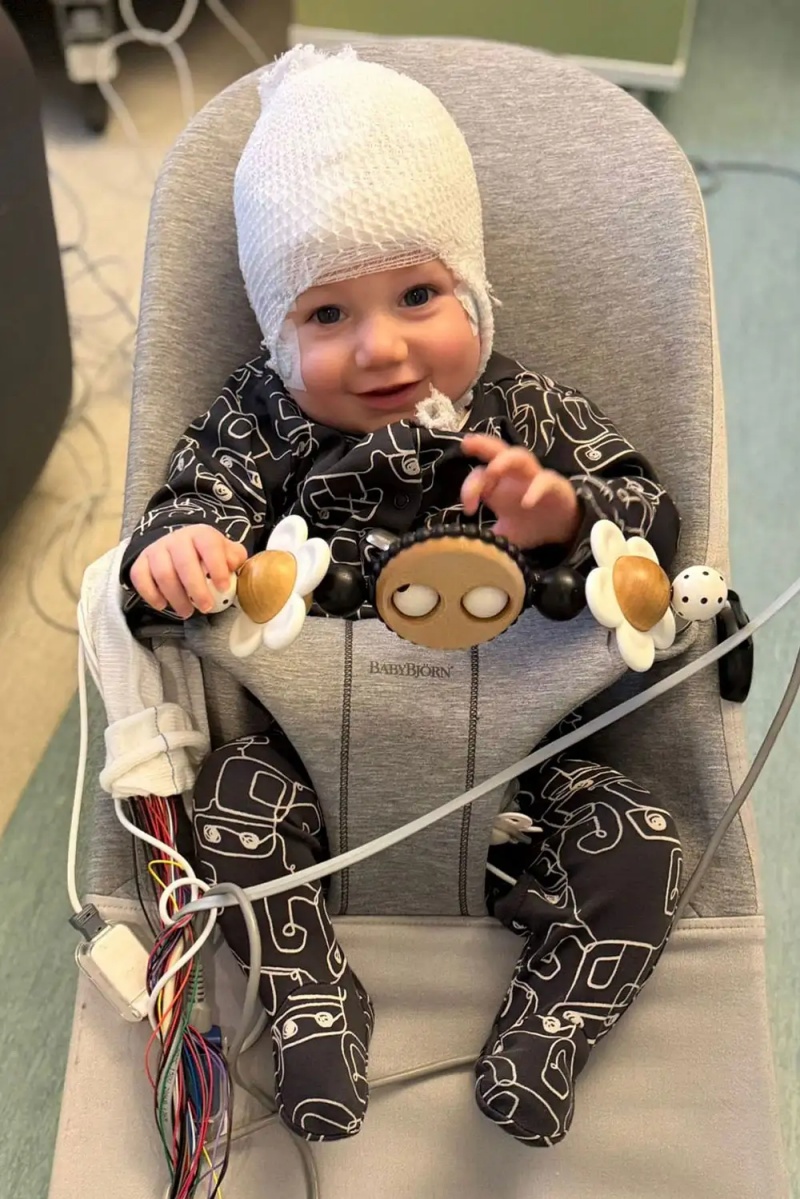
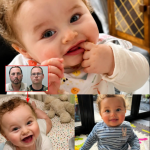
Despite the constant fear and the heavy demands of care, Rupert’s bright personality shines through. “He’s beautiful,” David said with pride. “Everyone who meets him falls in love with him. That’s why we’ve got so much support — everyone wants to do what they can to help because he’s so resilient.” Siobhan agrees: “He’s had to deal with more than most people do in their life, and he’s not even one yet.”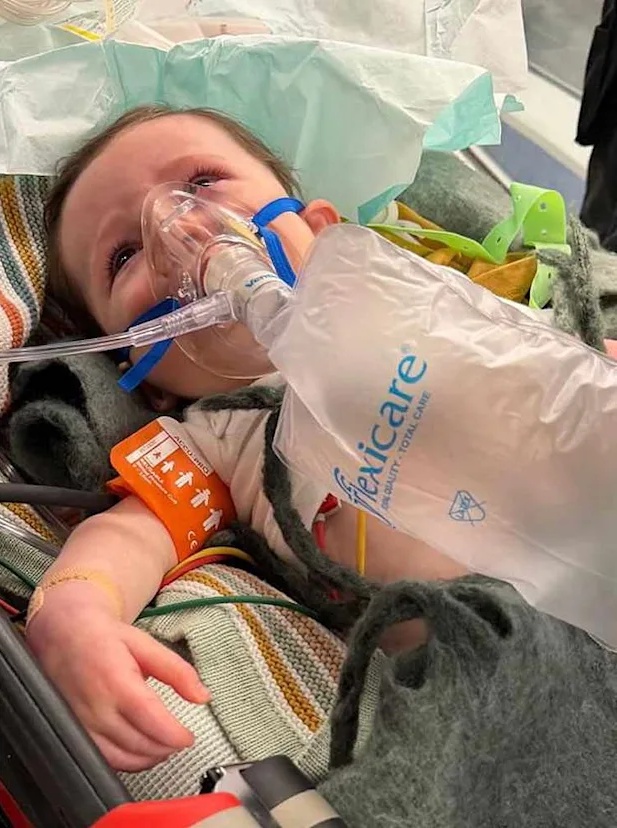
As Rupert approaches his first birthday on May 28, his parents are channeling their love into action. They are raising funds to travel to the United States in search of potential treatments and clinical trials. The response has been overwhelming — they have already raised over $350,000, with any extra money to be donated to foundations dedicated to AHC research. “Time is critical,” Siobhan said. “We’re hoping treatment comes through in 12 months, and a cure hopefully in a couple of years. We’re hopeful.”
Rupert’s story is one of resilience in the face of uncertainty. While AHC has brought sudden paralysis, seizures, and constant vigilance into the Smith family’s daily life, it has also revealed the depth of parental love and the power of community support. David and Siobhan live with the reality that any moment could bring a medical emergency, yet they choose hope every single day.
Their journey reminds us all that even the rarest conditions cannot dim a child’s spirit or the love that surrounds him. Rupert continues to smile, to fight, and to touch hearts wherever he goes. His parents’ determination to seek every possible treatment while cherishing every joyful moment with their son is a powerful example of courage and unconditional love.
Little Rupert may face challenges most children will never know, but he is already teaching the world what true strength looks like — one determined smile at a time. With his family by his side and thousands cheering him on, this brave little boy is living proof that even when life feels unpredictable, hope, love, and resilience can light the way forward.