Netflix series revisits ‘ᴅᴇᴀᴅpool Killer’ case and Palm Beach County’s missed chance
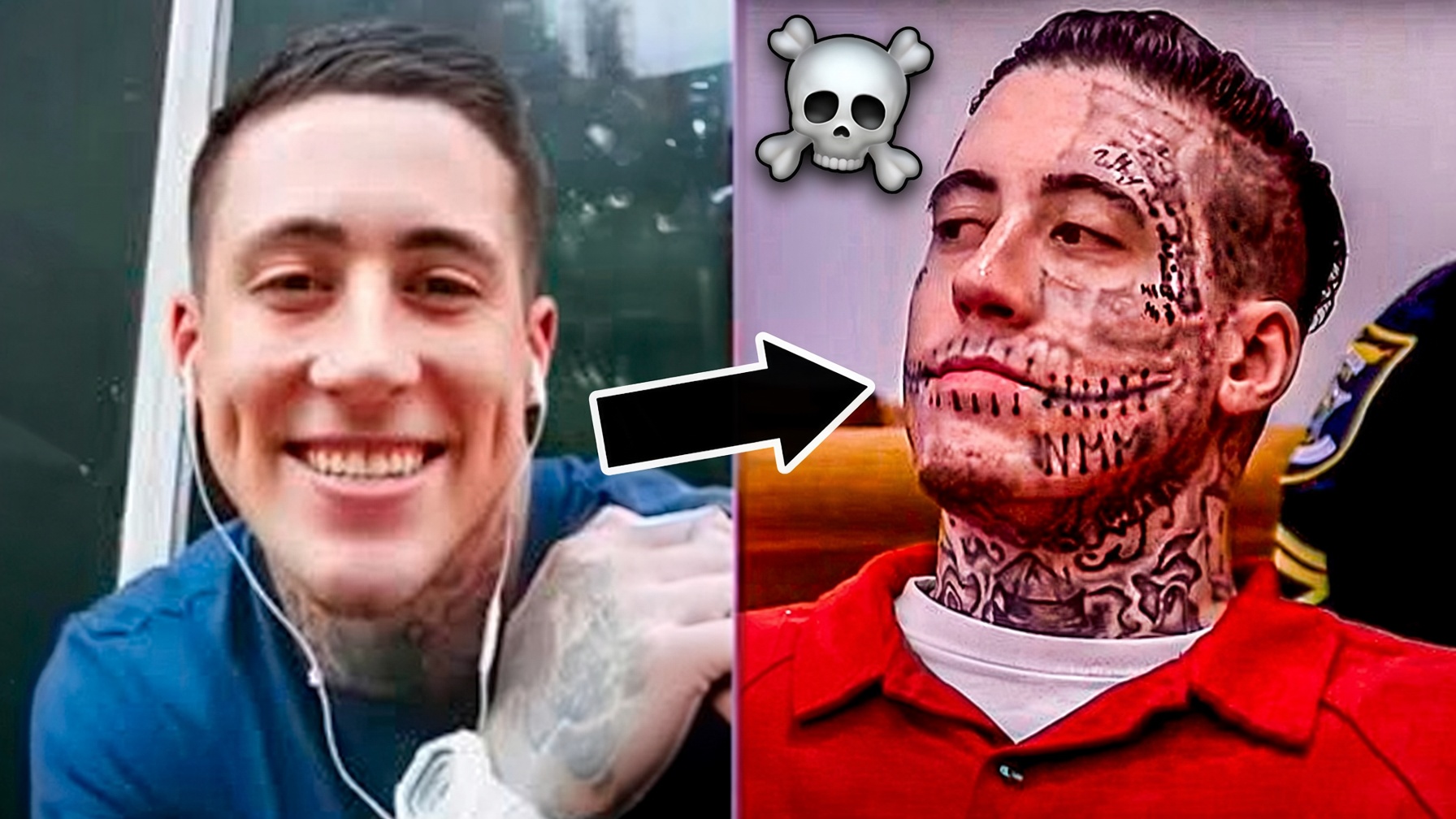
What Netflix’s Worst Ex Ever put back into circulation in 2026 was not a new crime. It was an old paper trail: a Palm Beach County Sєxual-ᴀssault investigation that ended before laboratory results came in, and two Cape Coral killings that followed months later. The man at the center of both stories is Wade Steven Wilson, born May 20, 1994, later nicknamed the “ᴅᴇᴀᴅpool Killer” only because he shares a name with a Marvel character and a former NFL quarterback. The documentary’s first episode of Season 2, “Dating the ᴅᴇᴀᴅpool Killer,” treats the Palm Beach chapter as the hinge of the case. Local reporting that followed the series, including The Palm Beach Post, filled in what the cameras left off the table.
Wilson grew up in Tallahᴀssee after teen parents placed him for adoption. His adoptive parents later wrote that he had been a joyful child and that drugs preceded what they called delusion. The adult record is thicker. He served Florida prison time from late 2013 to September 2014 on burglary and grand theft, then again from October 2017 to July 2018 for firearms theft. In 2015 he was tried in Tallahᴀssee on Sєxual-battery and kidnapping charges and acquitted. In 2018 his name surfaced in connection with the Denise Williams murder-conspiracy case involving her husband, Mike Williams; he was never charged in that plot. By early 2019 he was in Palm Beach County, dating Kelly Matthews, whom he had met on an app while using his middle name, Steven.
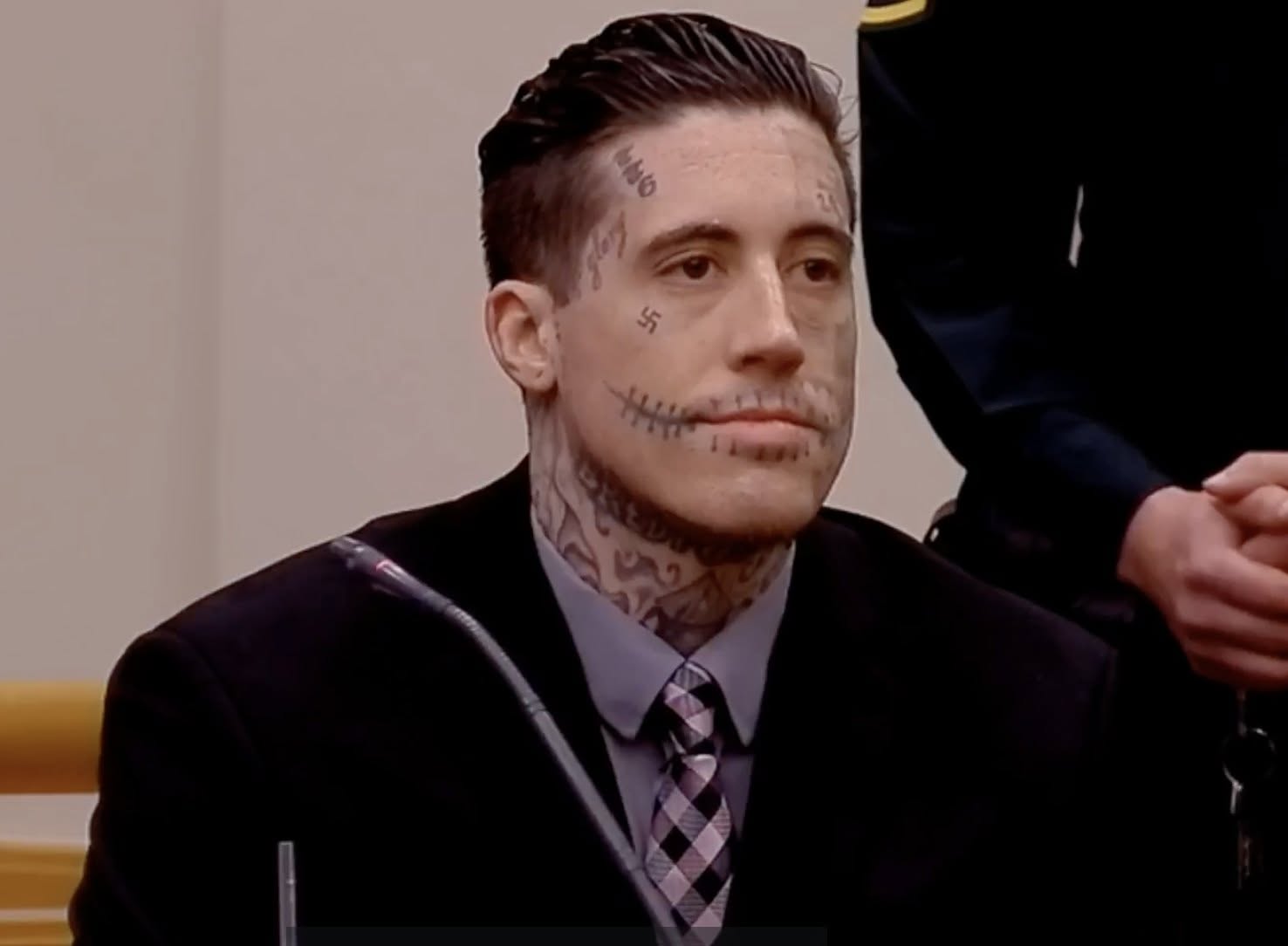
Matthews later described a relationship that collapsed around drugs and a fight over rehab. On Feb. 18, 2019, she said, Wilson strangled her, punched her, Sєxually ᴀssaulted her, bound her with her own clothing, sold her phone for gas, and forced a trip toward the Keys to see another woman. She got herself home and reported the attack the next day. She has described ligature marks, neck bruising, a bite, a split lip, and a bloody nose, and said she asked Detective Louis Potter of the Palm Beach County Sheriff’s Office to detain Wilson. Potter collected a DNA swab, interviewed both parties, and recorded Wilson’s denials. On March 25, 2019 — 34 days after the report — Potter inactivated the case, writing that there were no witnesses, no evidence establishing probable cause, and continued denials. The Sєxual-ᴀssault kit results, completed in June 2019 and emailed to him, matched Wilson’s DNA. Internal affairs later found he did not reopen the file, did not seek a warrant, did not alert supervisors to the match, and misapplied Florida’s dating-violence window, which required only that the relationship existed within six months. On the same day he closed the ᴀssault case, records say, he opened a separate inquiry treating Matthews as someone stalking Wilson. Potter later defended his judgment in the review. Sheriff Ric Bradshaw suspended him for 120 hours and moved him from Special Victims to road patrol. A Change.org peтιтion asking that he be fired gathered more than 16,000 signatures after the series aired. PBSO said it would not fire him over renewed attention. He retired July 31, 2026. Matthews has said the documentary made her feel the public finally had the file; she has also said the episode damaged her trust in police. She later worked at a Florida avian research center.
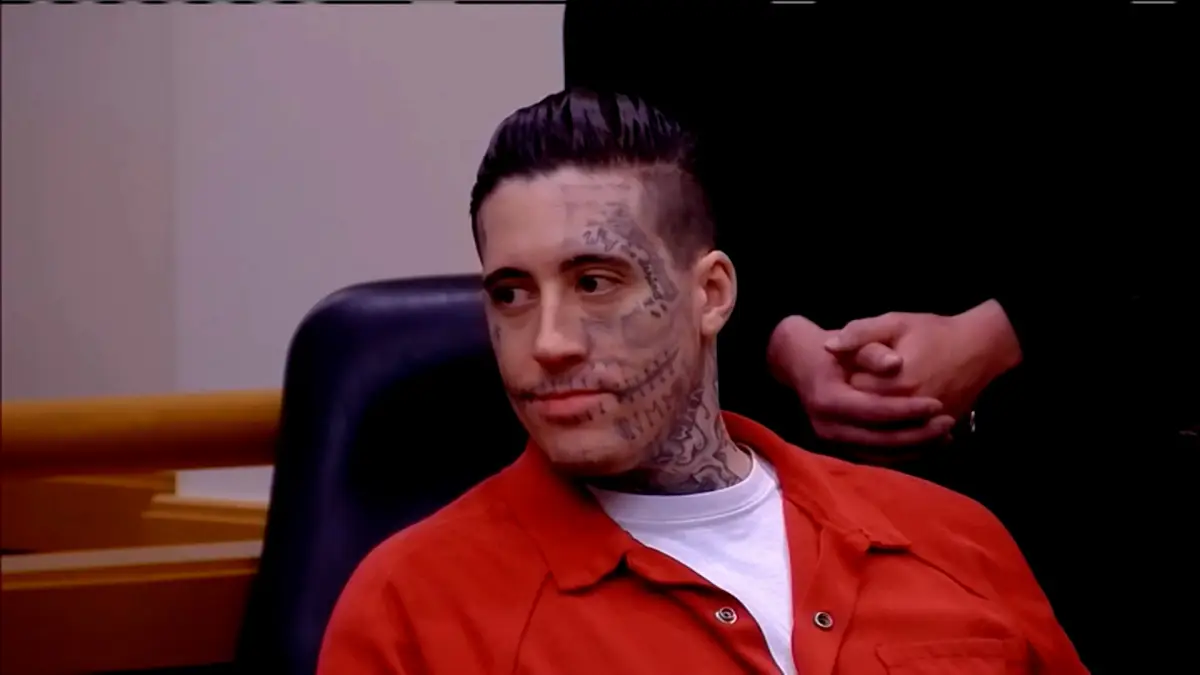
Wilson did not stay in Palm Beach. In July 2019 Lee County arrested him for battery. In September he pleaded guilty to pawning stolen property tied to the ex-girlfriend case and received credit for time served plus probation. On Oct. 7 he met Kristine Melton, 35, at a Fort Myers bar. She invited him to her Cape Coral home. Authorities said he strangled her as she slept, took her car, then saw Diane Ruiz, 43, walking and asked for directions to a school. When she tried to leave the vehicle he beat and choked her, pushed her out, and ran over her repeatedly. He was arrested the next day after talking to his biological father, Steven Testasecca, who contacted police. Testasecca later testified that Wilson showed no remorse.
A Lee County jury convicted him on June 12, 2024, of two counts of first-degree murder and related charges. In the penalty phase, under Florida’s 2023 rule allowing a death recommendation with as few as eight votes, jurors recommended death 9–3 for Melton and 10–2 for Ruiz. On Aug. 27, 2024, Circuit Judge Nicholas Thompson imposed two death sentences, calling both killings heinous, atrocious, and cruel and the Ruiz murder cold, calculated, and premeditated. He also imposed prison terms on theft, battery, and burglary counts. Two days later Wilson pleaded through a jail drug-trafficking case and received concurrent twelve-year terms; escape-related charges were dropped. He was moved to Union Correctional Insтιтution in Raiford, Florida’s male death-row facility. A 2025 transfer to Suwannee was followed by a return to Union by July 2026.
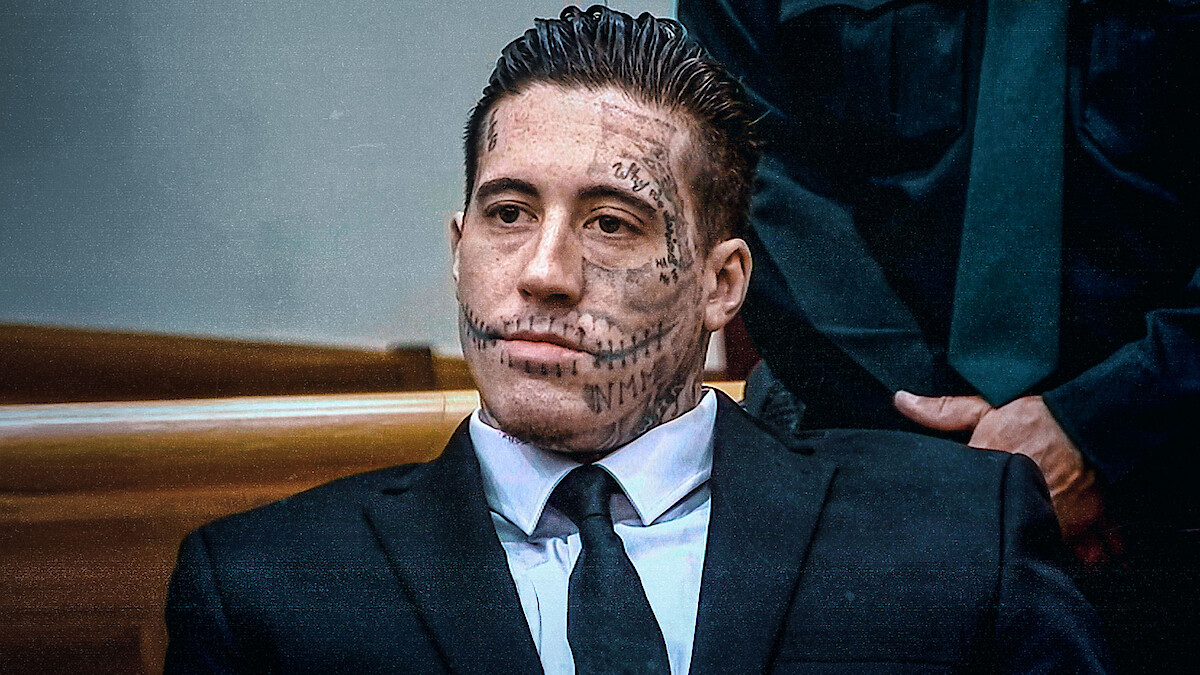
Appeal is automatic to the Florida Supreme Court. Counsel argued in early 2026 that a 2019 crime should have required a unanimous jury rather than the later eight-vote threshold; that line was paused in February after other rulings undercut it. There is no execution date. Florida’s own average from sentence to execution is still measured in more than a decade. A governor’s warrant would come only after appeals and any clemency review fail. Separate media projects — Paramount+’s Handsome Devil: Charming Killer in January 2026, a brief appearance in Hulu’s Mr. & Mrs. Murder — kept the case visible even before Netflix. Worst Ex Ever Season 2, directed by Cynthia Childs and produced with Blumhouse, remains streaming; Wilson is one of four stories in the season.
The documentary did not invent the Palm Beach failure. It made a closed supplemental report hard to ignore: DNA collected, case inactivated before the lab spoke, two women killed in one day in October, a detective disciplined but kept on the payroll until he chose to retire in the summer of 2026. Wilson sits on death row. Matthews’s complaint sits in the internal-affairs file. The two Cape Coral families still wait on a process that, by the state’s own numbers, is built to last years.
Source: Arianna Otero