Mayor Jacob Frey Honors George Floyd on Memorial Day 2026
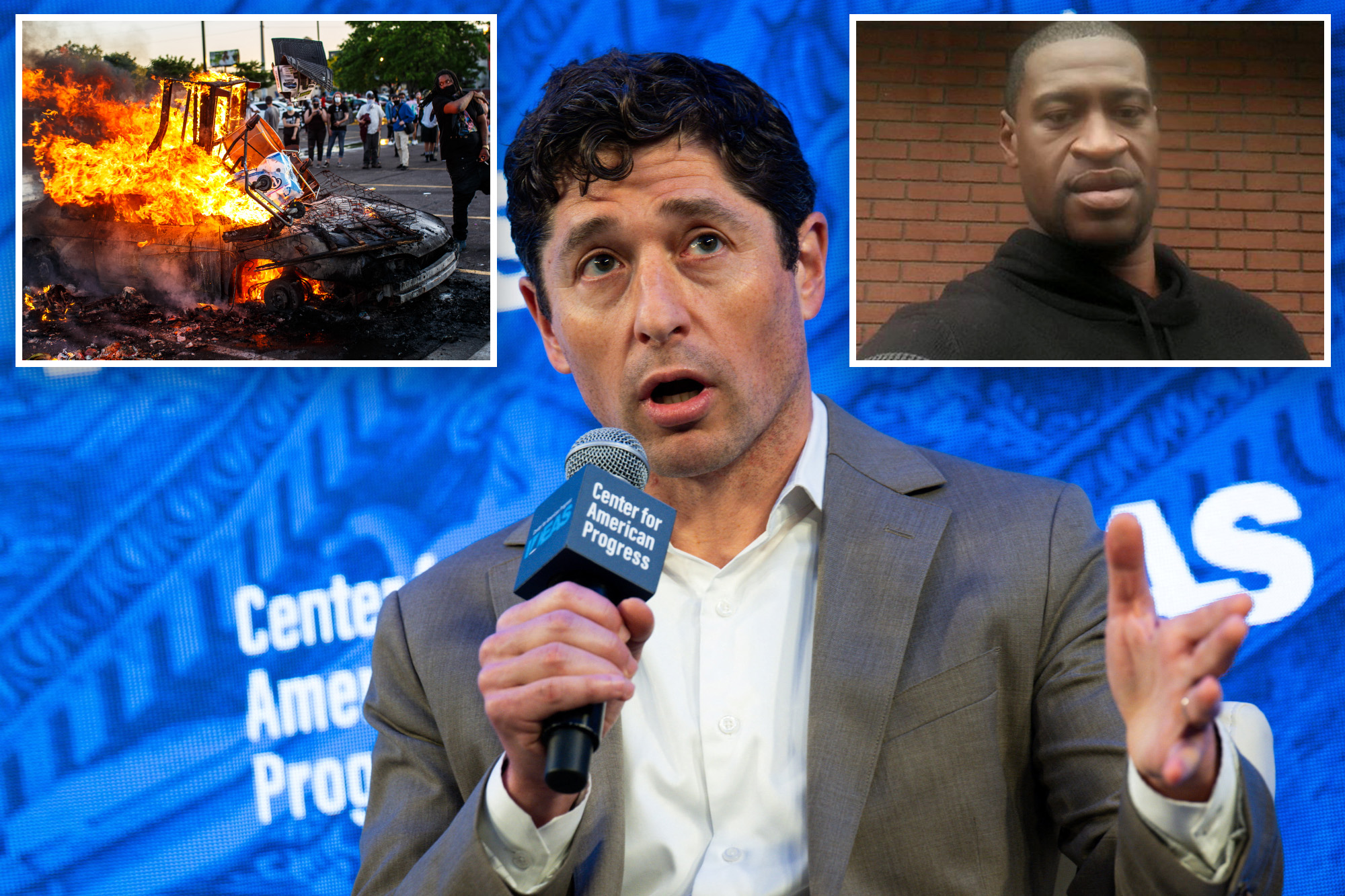
Minneapolis Mayor Jacob Frey has once again thrust the city into the national spotlight after issuing a strongly worded statement honoring George Floyd on Memorial Day — a federal holiday traditionally dedicated to honoring the men and women of the United States Armed Forces who died in military service.
On May 26, 2026, Mayor Frey posted the following message on X (formerly Twitter): “Today, we remember George Floyd, who was murdered by a former Minneapolis police officer six years ago. That moment changed our city forever.”
The mayor went on to reflect on the profound and lasting impact of Floyd’s death, stating that the tragic incident forced Minneapolis and the entire nation to confront deep-rooted issues surrounding racial injustice, police accountability, systemic inequality, and the fragile relationship between law enforcement and the communities they serve. Frey emphasized that since 2020, the city has undertaken significant efforts to reform its police department, implement new accountability measures, invest in community programs, and work toward rebuilding public trust. However, he also admitted that the work is far from complete and that healing remains an ongoing process.
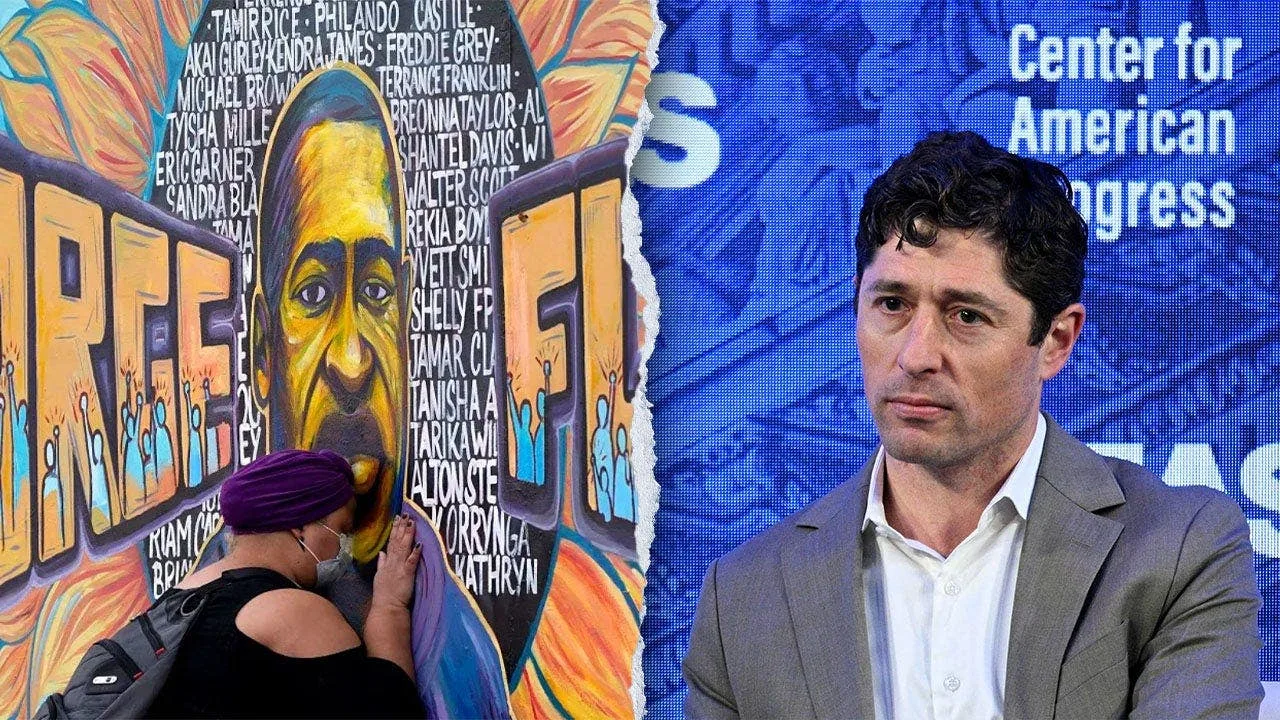
The decision to publish this message specifically on Memorial Day has triggered widespread controversy and heated public reactions across the country. Many critics, including veterans and conservative commentators, condemned the timing as highly inappropriate. They argued that Memorial Day should remain a solemn day reserved exclusively for honoring fallen soldiers and should not be used to highlight other social or political causes. Some described the mayor’s statement as “disrespectful,” “tone-deaf,” and “a deliberate slap in the face to military families and veterans who sacrificed everything for the nation.”
Others, particularly supporters of police reform and social justice advocates, defended Frey’s message. They maintained that remembering George Floyd and continuing the conversation about racial justice and police accountability is important at any time, and that the issues raised by his death remain relevant and unresolved six years later.
Background of the George Floyd Case
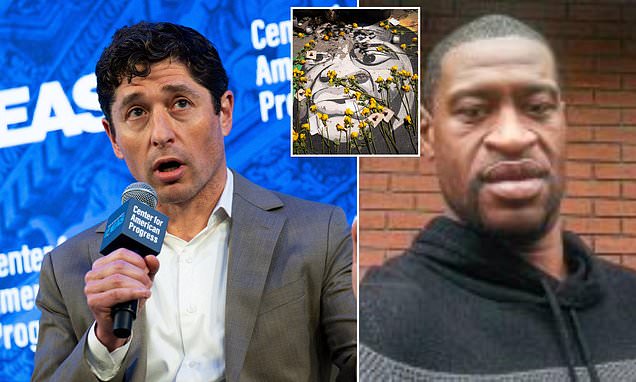
George Floyd, a 46-year-old Black man, died on May 25, 2020, after former Minneapolis police officer Derek Chauvin knelt on his neck for more than nine minutes while Floyd was handcuffed and lying face down on the street. The incident was captured on video by bystanders and quickly went viral, igniting some of the largest and most intense protests in modern American history. The Black Lives Matter movement gained unprecedented momentum, and cities across the United States saw widespread demonstrations, calls for defunding the police, and demands for sweeping criminal justice reform.
Derek Chauvin was later convicted of murder and sentenced to prison. The event also led to federal charges and significant policy changes in many police departments nationwide. In Minneapolis, the intersection where Floyd died — now known as George Floyd Square — has become a lasting memorial site and a symbol of the movement. The city continues to develop long-term plans to transform the area into a permanent community space for reflection and remembrance.
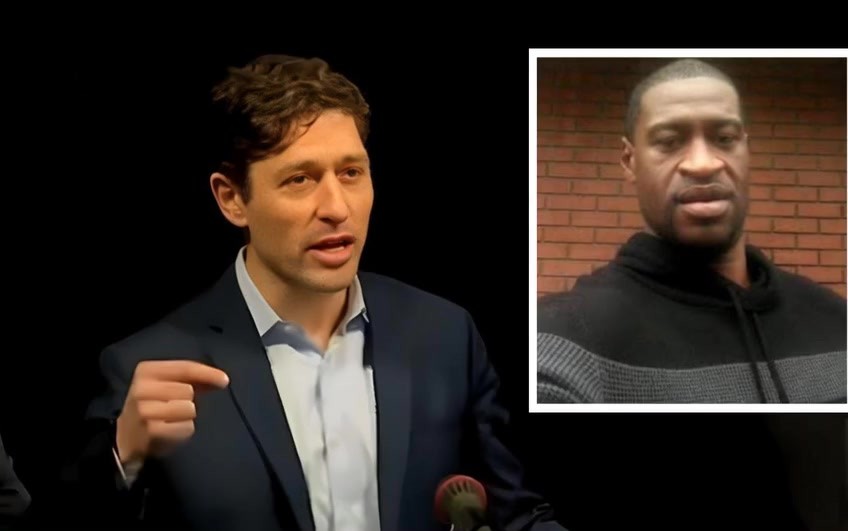
Mayor Frey’s latest statement reflects the ongoing tension in Minneapolis as the city attempts to balance remembrance of this pivotal moment in its history with the traditional observances of national holidays. Whether this message represents a genuine commitment to social progress or a politically motivated move continues to be H๏τly debated.
As the discussion spreads online and across media platforms, the incident highlights the deep divisions that still exist in American society regarding race, policing, national memory, and how different groups believe public commemorations should be handled.