Indian Boy With Werewolf Syndrome Covered in Thick Hair Struggled With Bullying and Social Isolation
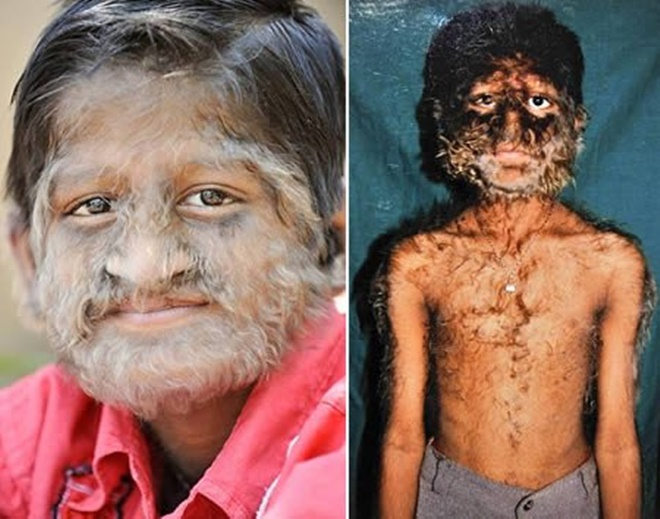
👦 In 2008, an 11-year-old Indian boy named Pruthviraj Patil attracted attention because his face and body were covered with an unusually thick layer of hair. He was living with an extremely rare medical condition known as Hypertrichosis, commonly referred to as Werewolf Syndrome.
Unlike ordinary body hair growth, hypertrichosis causes excessive hair to develop in areas of the body where hair is normally sparse or much thinner. In Pruthviraj’s case, the condition affected much of his face and body, giving him an appearance that was very different from that of other children his age.
💔 Growing up with such a visible condition was incredibly difficult. Instead of enjoying a carefree childhood, Pruthviraj often had to deal with curious stares, hurtful comments, and social prejudice.
The fear of being judged made him reluctant to leave his home in India. While other children could freely play outside, attend social activities, and make friends, he often chose to stay indoors to avoid unwanted attention.
His family desperately wanted to help him. They explored numerous traditional remedies and folk treatments, hoping to find a way to reduce the excessive hair growth and make his daily life easier.
🩺 They also sought medical ᴀssistance and explored laser hair removal procedures. However, the results were disappointing. Removing the visible hair could not permanently resolve the underlying condition, and excessive hair growth remained a significant challenge.
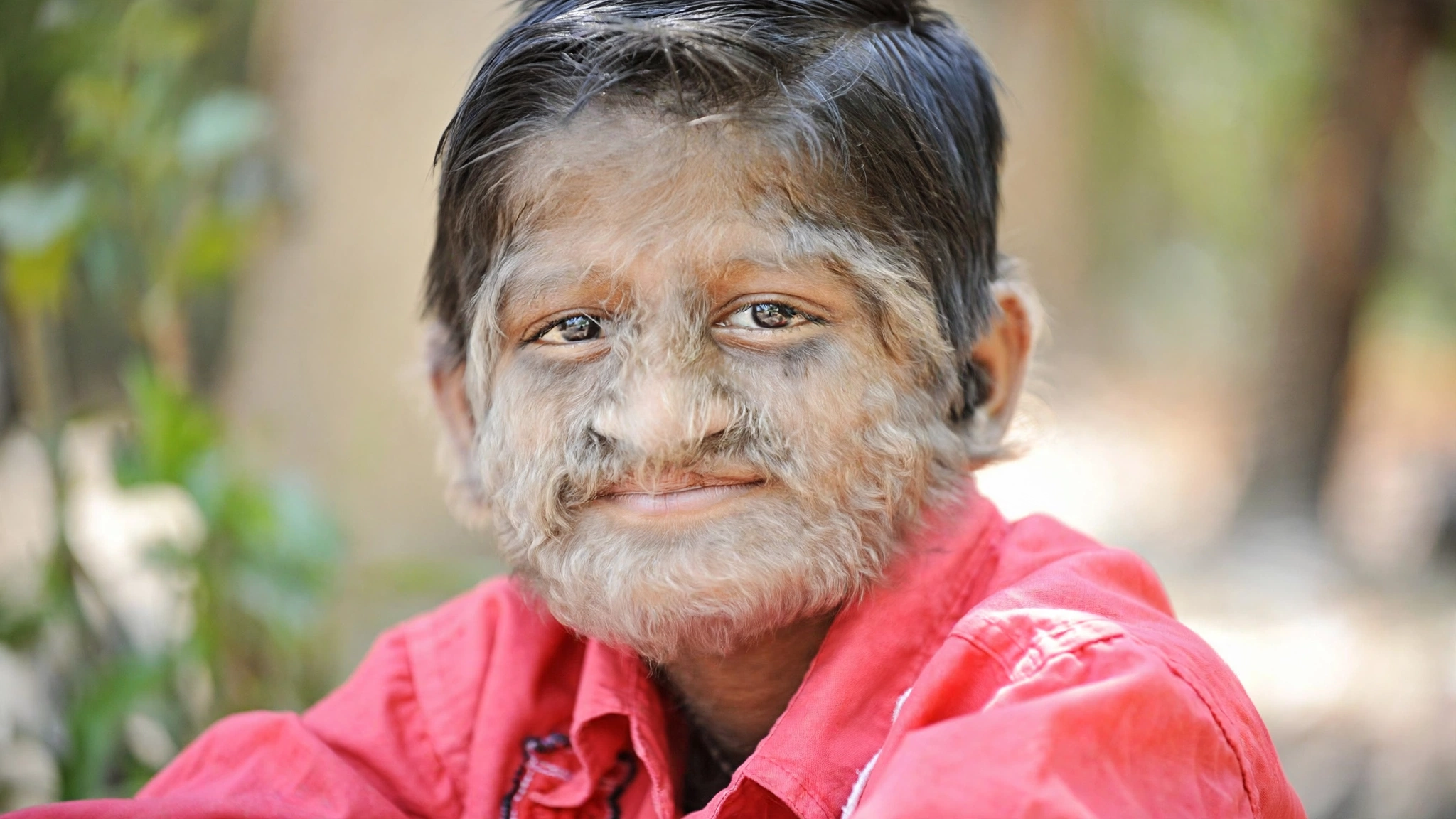
Hypertrichosis is an extremely rare condition that can be congenital, meaning present from birth, or acquired later in life. Depending on its type and cause, it may affect only certain areas or cover large portions of the body.
Although various treatments, including laser hair removal, may help reduce unwanted hair, results can vary, and repeated procedures may be necessary. There is currently no single treatment that works for every form of hypertrichosis.
❤️ Behind Pruthviraj’s unusual appearance was simply a young boy who wanted what every child deserves: friendship, acceptance, education, and the freedom to enjoy life without being judged.
His story reminds us that a person’s appearance should never determine how they are treated. Children living with rare conditions deserve kindness, dignity, and the opportunity to grow up feeling accepted rather than isolated.
🌈 May Pruthviraj and all children facing rare medical conditions be blessed with good health, confidence, happiness, and a lifetime surrounded by love and understanding.