Highway Ambush, and a Six-Year Wait: Inside the Kewon White Trial for the Killing of MO3
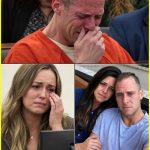
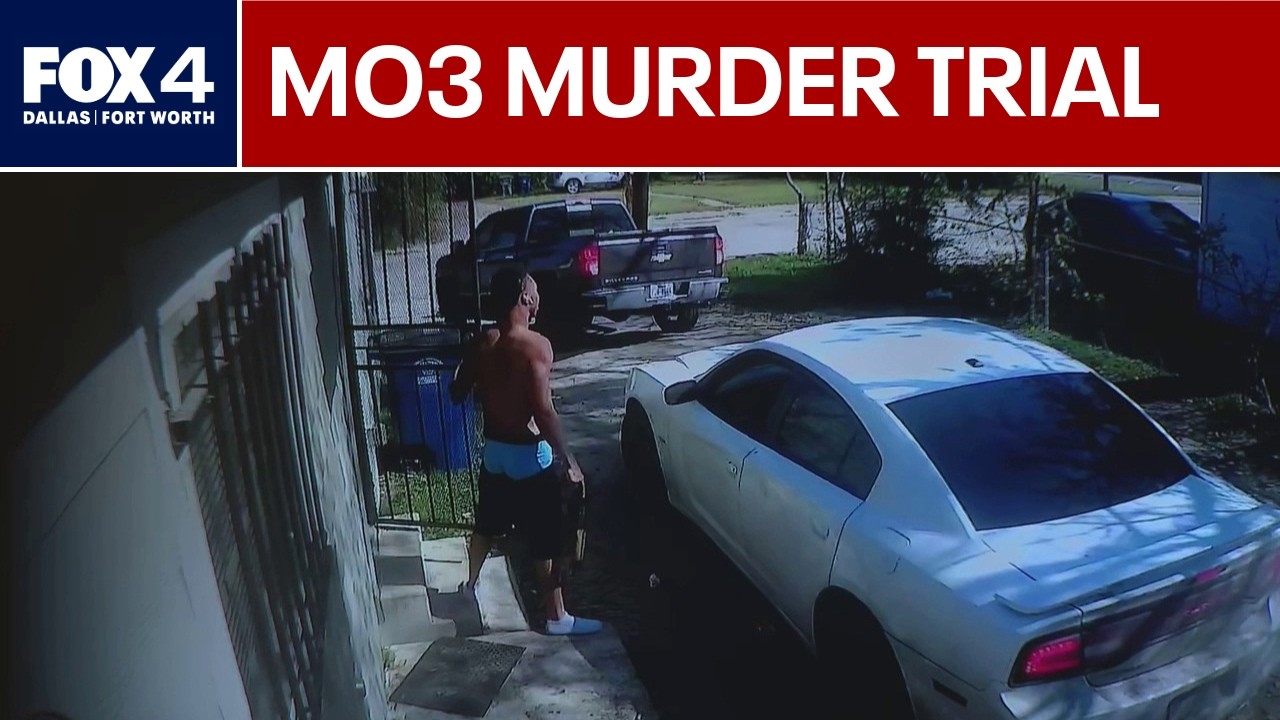
Nearly six years after Dallas rapper MO3 was fatally sH๏τ on Interstate 35 in broad daylight, the first of three alleged co-defendants is now in front of a jury — and one of the details prosecutors keep returning to is almost mundane: a pair of light blue underwear visible on surveillance video the day before the killing and again on the day it happened.
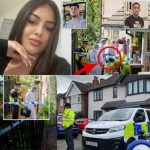
MO3, born Melvin Noble, was 28 when he died on Nov. 11, 2020. Police and prosecutors say a second car boxed him in on I-35 near Illinois Avenue and Clarendon Drive, south of the Dallas Zoo. Noble left his gold Honda and ran. A masked man with a rifle chased him on the highway. The shooting itself happened off some cameras; dash-cam and other video captured the chase and the gunman running back to a dark car, believed to be a Chevrolet Camaro. Noble was taken to a hospital and pronounced ᴅᴇᴀᴅ. A bystander in another vehicle was also struck by a bullet.
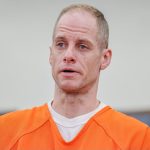
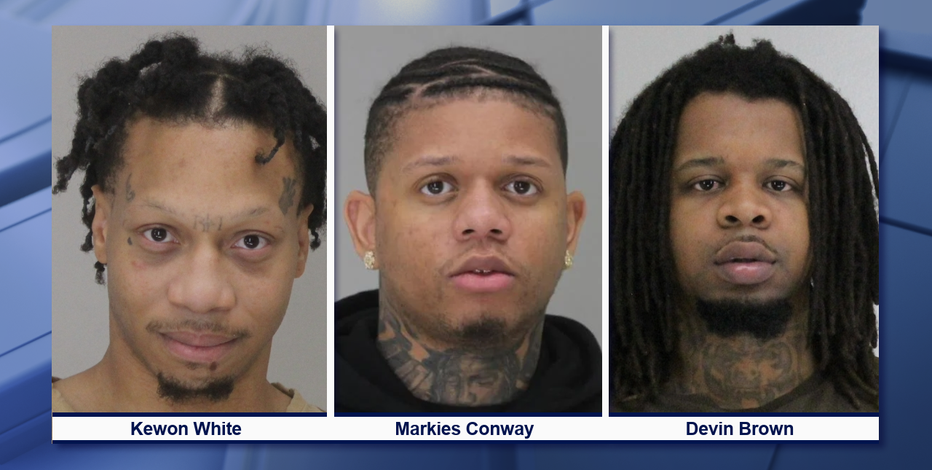
Prosecutors say this was not a random freeway attack. They allege a murder-for-hire plot rooted in a feud among Dallas rappers. Kewon White is on trial first and is accused of being the gunman. Markies Conway, known as Yella Beezy, is charged with capital murder on the theory that he paid for the killing. Devin Brown is charged as well and is accused of helping coordinate. All three have pleaded not guilty. White is already serving a federal sentence on a gun case from after the shooting. Beezy, charged years later in 2025, faces life without parole or the death penalty if convicted of capital murder in Texas. White’s case is expected to last about two weeks; the other two trials are slated to follow.
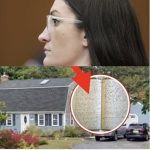
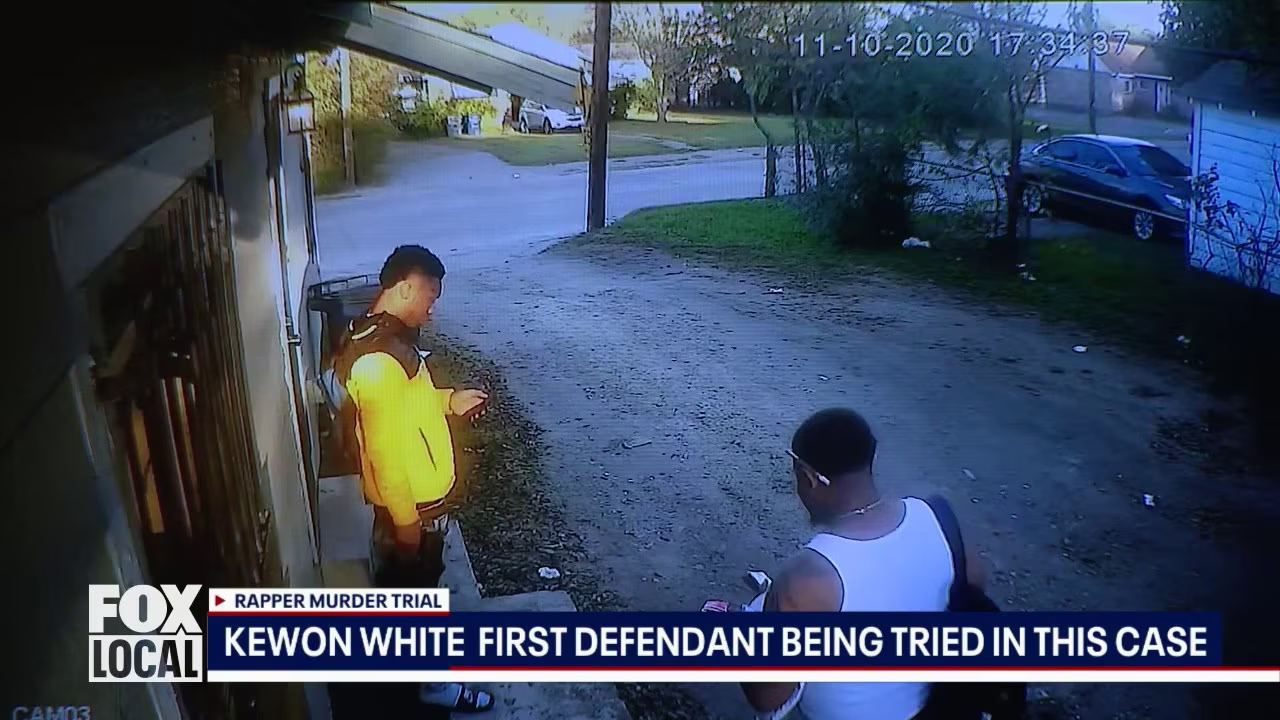
The underwear argument is part of how the state is trying to put White at a house before and after the shooting and to match that person to the gunman seen on the highway. Complex and local TV coverage both describe home-surveillance clips shown to jurors: the day before the killing, a man prosecutors identify as White stands outside a house on the phone, holding a rifle, pants sagging enough to show blue underwear. The next day — Nov. 11 — the same house camera shows him outside again in what the state says is the same underwear, at one point without shoes or a shirt. Later video shows items being burned in the backyard. Prosecutors have also pointed jurors to dash-cam of the highway chase and argued the shooter’s visible waistband looks like the same light-colored, possibly blue underwear. The defense has pushed back that not every clip or item is proven to belong to White or to the crime.
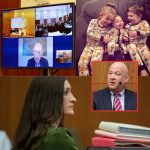
That visual ID sits inside a larger timeline the state has been building since jury selection wrapped in late August before Judge Chika Anyiam. Opening statements framed White as a hired gun on a crowded midday highway. Witnesses described seeing a masked man with a rifle chase Noble. Forensic and police witnesses walked through video from the road, from apartments Noble visited shortly before the shooting, and from the house used in the before-and-after theory.
By the end of August and into Sept. 1, the case had moved from first impressions to connections. A childhood friend of White, Cedric Bradley — himself facing a federal drug-conspiracy case — testified that White later bragged about the freeway shooting, language Bradley described in court as White saying he “did that work.” Defense lawyers attacked Bradley’s credibility and motive. Detectives testified that White and Brown allegedly waited for many hours in a black Camaro before following Noble from a girlfriend’s apartment onto I-35. Brown, according to the state, shares children with that woman and sent messages checking whether Noble was at the house. Jail calls played for the jury included talk of a bounty on MO3 and, after the killing, White discussing money — one clip referenced about $20,000 — without naming a payer on that call. In a December 2020 interrogation video shown this week, White told detectives he learned about the shooting on social media and denied doing it. Prosecutors say that story does not match the video and witness trail. Local coverage has also noted that investigators have not, at least in the testimony summarized so far, shown a clean paper trail of a payment from Conway to White.
White was not arrested on the day of the shooting. ScreensH๏τs of the highway gunman were released publicly. Marshals and local officers later found him; one account of the hunt includes a high-speed stop weeks later in the Mount Pleasant area and a December 9, 2020 arrest outside a barbershop. Brown was taken into custody around the same period after a house search that, in earlier federal filings, involved a stolen rifle and drugs. Conway was not charged until a 2025 grand jury indictment alleging he hired White. He has denied involvement. There has been a separate pretrial fight over whether some of Beezy’s lyrics can come in as evidence of motive.
None of that is a verdict. White’s lawyers have argued that pieces of the state’s montage do not lock him to the man on I-35. Beezy and Brown have not yet had their juries. What the Dallas courtroom has right now is the first full airing of a case that sat unresolved for years: a known rapper ᴅᴇᴀᴅ on a public highway, three men charged in an alleged paid hit, and prosecutors asking twelve people to treat a repeated flash of blue underwear, backyard fire video, dash-cam, a friend’s testimony, and jailhouse talk as enough to name the shooter.
Sources: FOX 4