Arnold–Chiari Syndrome: Understanding the Rare Brain Abnormality Affecting a Young Child
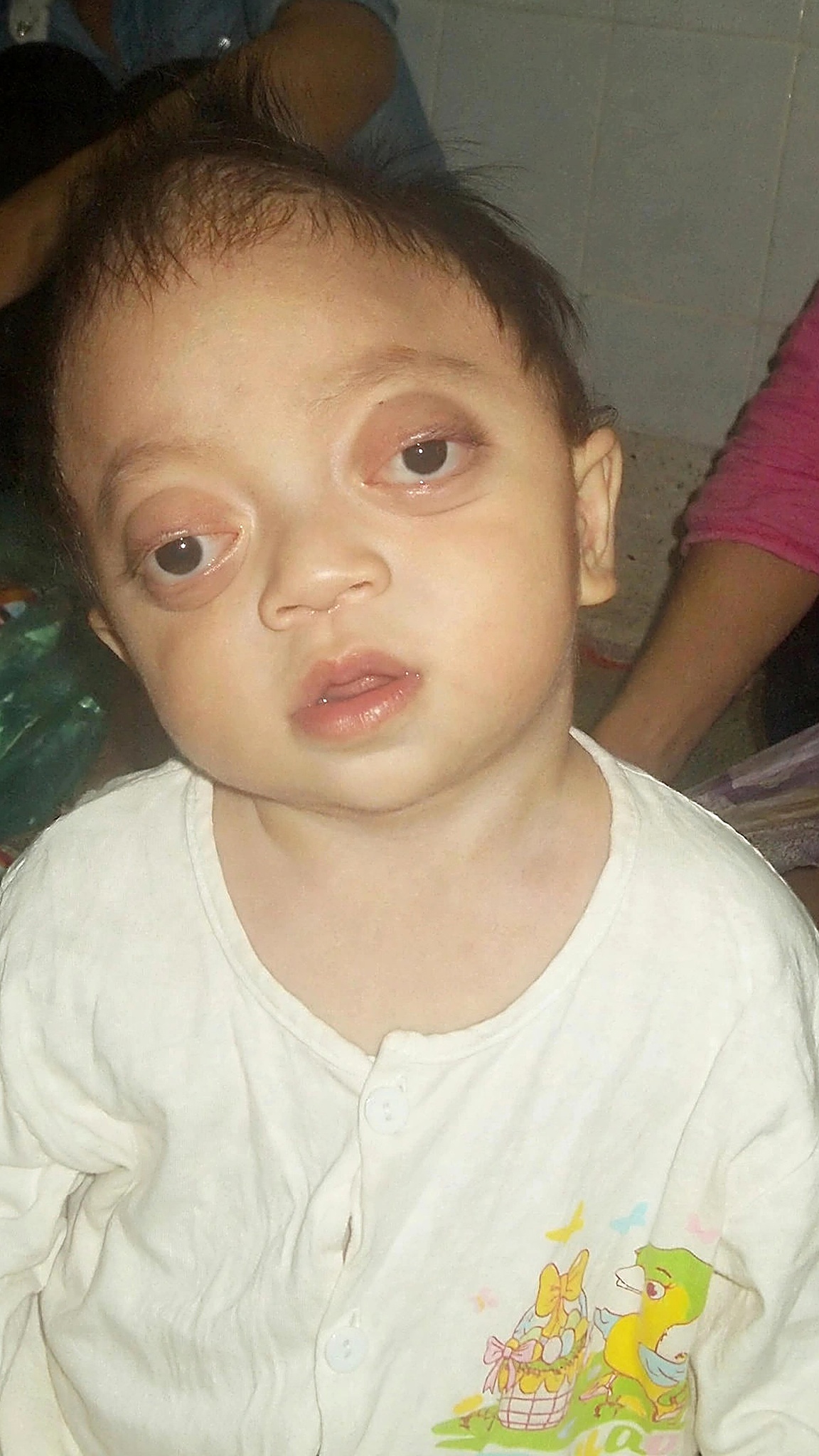
From an early age, this young child faced an unusual medical condition involving the structure of the brain and the connection between the brain and spinal cord.
The child was diagnosed with Arnold–Chiari syndrome, more commonly known as Chiari malformation. This is a neurological condition in which part of the brain, particularly the lower portion of the cerebellum, extends downward through an opening at the base of the skull.
Although the brain is normally protected inside the skull, this abnormal positioning can cause crowding around the brainstem and upper spinal cord. In some cases, it can also interfere with the normal circulation of cerebrospinal fluid.
For children affected by this condition, the consequences can vary considerably. Some experience only mild symptoms, while others may develop serious neurological problems that require long-term medical attention.
What Is Arnold–Chiari Syndrome?
Arnold–Chiari syndrome is commonly used to describe Chiari malformation, a structural abnormality involving the lower part of the brain.
The cerebellum is located at the back of the brain, beneath the larger cerebral hemispheres. It plays an important role in coordinating movements, maintaining balance, and controlling posture.
At the base of the skull is an opening called the foramen magnum. This opening allows the brainstem to connect with the spinal cord.
In people with Chiari malformation, part of the cerebellum, particularly the cerebellar tonsils, extends downward through this opening into the upper spinal canal.
This abnormal positioning can reduce the available space around the brainstem and spinal cord.
As a result, the normal movement of cerebrospinal fluid may become obstructed.
Cerebrospinal fluid is a clear liquid that surrounds the brain and spinal cord. It helps cushion these structures, provides protection against injury, and supports the normal functioning of the central nervous system.
When its circulation is disrupted, pressure differences can develop and additional neurological complications may occur.
Different Types of Chiari Malformation
Chiari malformation is divided into several types, depending on the structures involved and the severity of the abnormality.
Chiari Type I
This is the most common form. It occurs when the lower part of the cerebellum extends below the foramen magnum.
Some individuals have no noticeable symptoms, and the condition may only be discovered during an MRI scan performed for another reason.
Others may experience headaches, neck pain, dizziness, balance problems, or neurological symptoms.
Chiari Type II
This form is generally more severe and involves greater displacement of brain structures toward the spinal canal.
It is frequently ᴀssociated with myelomeningocele, a type of spina bifida in which the spinal cord and surrounding tissues protrude through an opening in the spine.
Children with Chiari Type II may experience problems involving breathing, swallowing, muscle control, and other neurological functions.
Chiari Types III and IV
These are much rarer forms involving more complex abnormalities in brain development.
Chiari Type III involves a portion of the brain protruding through an abnormal opening at the back of the skull. Chiari Type IV involves severe underdevelopment of the cerebellum.
The exact type is important because symptoms, complications, and treatment options can differ significantly.
Symptoms That May Affect Children
The symptoms of Chiari malformation depend on the type of abnormality, the degree of displacement, and whether the condition interferes with cerebrospinal fluid circulation.
One of the characteristic symptoms is a headache, particularly at the back of the head or upper neck. These headaches may become worse when coughing, sneezing, bending, or straining.
Some children may also experience:
Neck pain and stiffness
Dizziness and problems maintaining balance
Difficulty coordinating movements
Muscle weakness or numbness
Problems with swallowing
Changes in vision or hearing
Difficulty controlling certain movements
Breathing abnormalities, particularly during sleep
In infants, symptoms may be more difficult to recognize.
Parents may notice feeding difficulties, frequent choking, unusual breathing patterns, excessive irritability, or problems with swallowing.
Not every child experiences all these symptoms. Some children with Chiari malformation remain relatively asymptomatic for many years.
Possible Complications: Syringomyelia and Hydrocephalus
One important complication ᴀssociated with Chiari malformation is syringomyelia.
This condition occurs when a fluid-filled cavity, known as a syrinx, develops inside the spinal cord.
As the cavity expands, it can damage surrounding nerve tissue and lead to symptoms such as muscle weakness, numbness, pain, and reduced sensation.
In some cases, children may develop difficulties with movement or changes in spinal posture.
Another possible complication is hydrocephalus, a condition involving an abnormal accumulation of cerebrospinal fluid within the brain’s ventricular system.
When fluid cannot circulate or drain properly, the pressure inside the skull may increase.
In infants, hydrocephalus can sometimes cause an enlarged head, a bulging soft spot, vomiting, irritability, or developmental concerns.
These complications do not occur in every child with Chiari malformation, but they are important reasons why medical monitoring is necessary.
How Is Chiari Malformation Diagnosed?
Magnetic resonance imaging, commonly known as MRI, is the main imaging method used to diagnose Chiari malformation.
An MRI scan allows doctors to examine the brain, cerebellum, brainstem, and upper spinal cord in detail.
It can help determine how far the cerebellar tonsils extend below the foramen magnum and whether there is crowding around the brainstem.
Doctors may also examine cerebrospinal fluid circulation and look for complications such as syringomyelia or hydrocephalus.
Depending on the child’s symptoms, additional neurological examinations and imaging of the spinal cord may be recommended.
Early and accurate diagnosis helps specialists determine whether the condition requires observation or medical intervention.
Treatment and Medical Care
There is no single treatment that is appropriate for every child with Chiari malformation.
Children who have no significant symptoms may only require regular neurological examinations and follow-up MRI scans to monitor changes over time.
When symptoms become severe or there is evidence of pressure on neurological structures or impaired cerebrospinal fluid circulation, doctors may recommend surgery.
One commonly performed procedure is posterior fossa decompression.
During this operation, surgeons remove a small portion of bone at the back of the skull, and sometimes part of the upper cervical vertebra, to create additional space around the cerebellum and brainstem.
The goal is to reduce crowding and improve the circulation of cerebrospinal fluid.
In selected cases, surgeons may also perform additional procedures involving the protective covering of the brain.
The decision to operate depends on the child’s symptoms, MRI findings, and the presence of complications.
Even after treatment, some children require long-term follow-up to monitor neurological function and development.
A Childhood That Deserves Care and Understanding
For a young child diagnosed with Arnold–Chiari syndrome, growing up may involve medical appointments, neurological ᴀssessments, and challenges that other children never have to consider.
The condition can affect important functions such as balance, coordination, swallowing, and movement, depending on its severity.
However, a diagnosis of Chiari malformation does not automatically mean that a child will experience severe disability.
Many children can continue developing and enjoying everyday activities with appropriate medical supervision.
The most important thing is ensuring that the child receives an accurate diagnosis, individualized treatment, and consistent support from family and healthcare professionals.
Behind every medical diagnosis is a child with feelings, dreams, and the desire to experience a normal childhood.
This little child deserves more than sympathy. They deserve understanding, proper medical care, and every opportunity to grow up surrounded by love.