After a Judge Said No to a New Trial, Karmelo Anthony’s Family Asks the Public for $250,000 to Keep Fighting
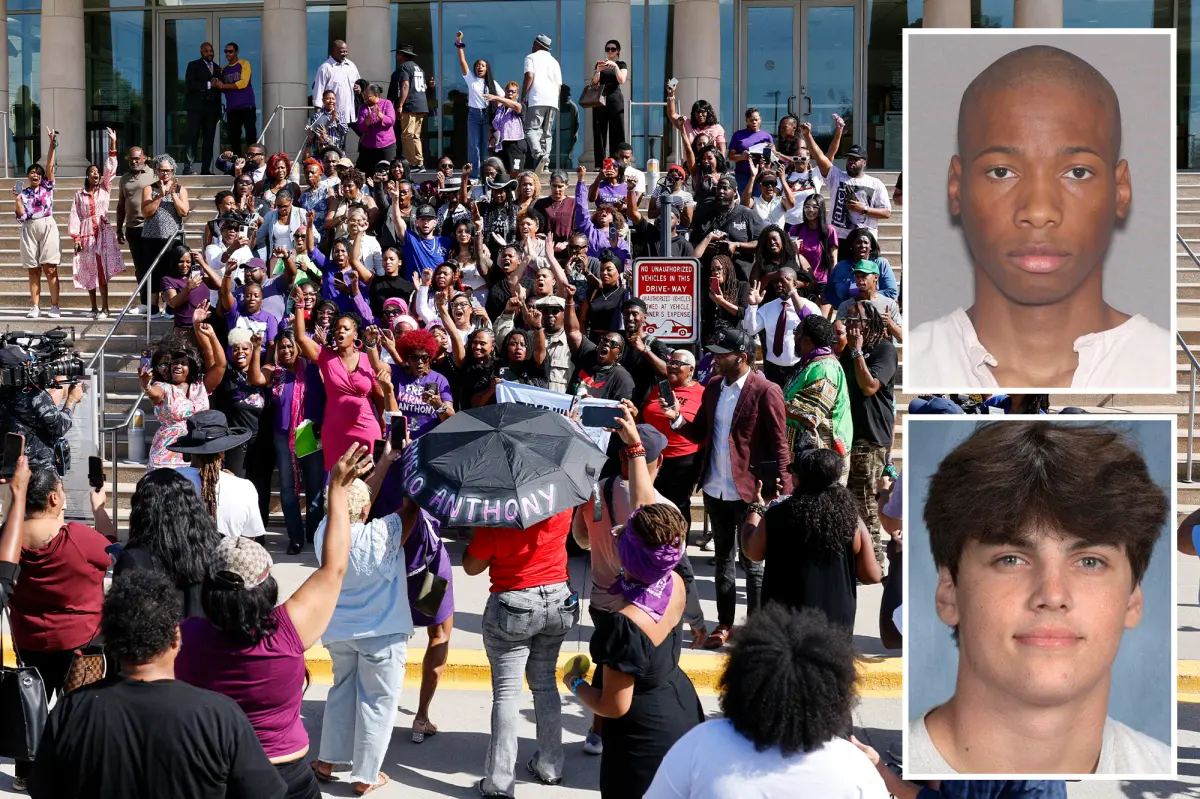
Seventeen months after a rainy track meet in Frisco turned into a homicide case that split online America, the family of Karmelo Anthony is back in front of cameras — this time asking donors for a quarter of a million dollars to carry his murder conviction into the Texas appeals courts.
The request landed on September 2, 2026, at a church gathering in southeast Dallas. Anthony’s parents, his new appellate lawyers, and supporters framed the moment as unfinished business, not a last stand. A Collin County judge had already refused a new trial in late August. That ruling did not close the file. The case is now pending before the Fifth Court of Appeals in Dallas, and the family says the next phase will be long, technical, and expensive.
A GiveSendGo page тιтled the Karmelo Anthony Official Legal Appeal Fund set a $250,000 goal. By early September 3 it had collected a little more than $28,000. Organizers say the money will go into an attorney trust account run by lead appellate lawyer Russell Wilson and will pay for transcripts, briefs, investigators, experts, and other litigation costs. The page states that Anthony’s relatives will not receive, control, or spend the donations. Wilson has also said the appellate lawyers are working without a fee and that the fund is meant for costs that appear as the case moves.
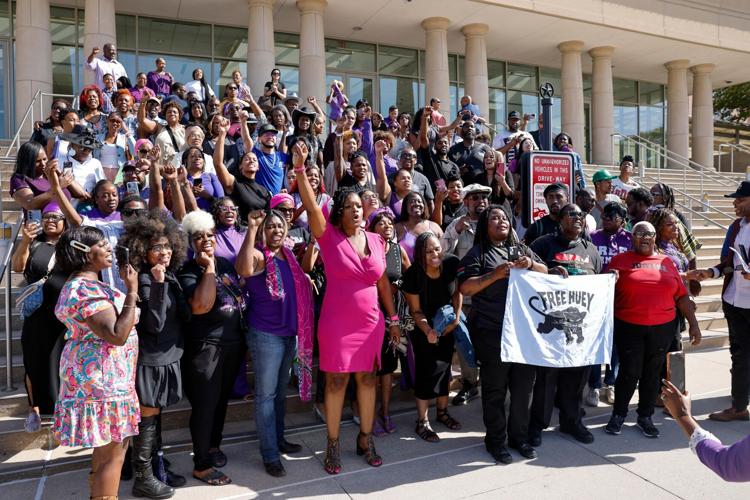
The ask immediately revived an older controversy. Before trial, another GiveSendGo campaign for Anthony and his family raised roughly $600,000 to $634,000. GiveSendGo took that page down after the June conviction and said the money had already been released for pre-trial legal defense and family relocation. At Wednesday’s news conference, a reporter pressed the obvious question: why ask for more after so much had already been raised? That tension is now part of the public story around the appeal, whether or not the new account is structured differently.
How the case began
The underlying facts have not changed. On the morning of April 2, 2025, a district track meet at Frisco ISD’s David Kuykendall Stadium stalled in thunderstorms. Students from several schools crowded the bleachers. Anthony, then 17 and a Centennial High athlete, sat under a pop-up tent used by Memorial High, the team of 17-year-old Austin Metcalf. Witnesses said Metcalf and others told Anthony to leave. An argument followed. According to police reports and later trial testimony, Anthony reached into a backpack and warned, in substance, that Metcalf should not touch him. Metcalf then pushed or grabbed him to get him out of the tent. Anthony pulled a folding knife and stabbed Metcalf once in the chest, then ran. Metcalf collapsed, asked for help, and later died. His twin brother was with him as he bled. Anthony surrendered, crying, and told officers he had been protecting himself because Metcalf put hands on him.
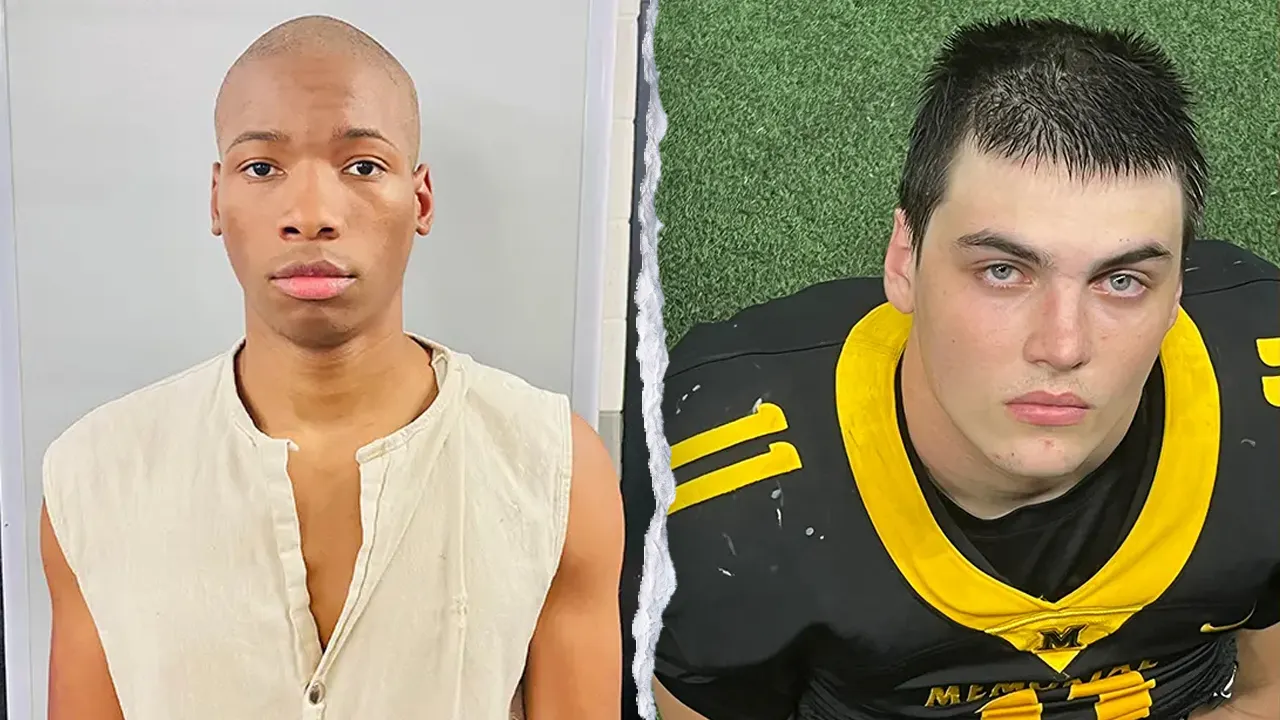
Prosecutors later told jurors the shove was not a license to use a knife, and that Anthony provoked the encounter. Defense lawyers argued Metcalf had no right to put hands on him and that Anthony reasonably feared for his safety. Both teens were described by their families as strong students and athletes who did not know each other before that morning. The case also drew a flood of racial commentary, harᴀssment, and threats against both households. The Anthony family has said they were doxxed and had to move.
In June 2026 a Collin County jury convicted Anthony of murder and rejected self-defense. Jurors sentenced him to 35 years. Under Texas rules reported after sentencing, he would first be eligible for parole after serving half that term. He did not testify. That choice later became a centerpiece of the new-trial fight.
The hidden-evidence fight
Last month, at a hearing on a motion for a new trial, Anthony’s new lawyers aired what they called a “handshake” or “gentlemen’s” deal from the original trial: prosecutors and prior defense counsel would keep certain character evidence off the record. Reporting on that hearing said the withheld material included violent or threatening texts attributed to Anthony and an ex-girlfriend’s claim that he had been stalking her shortly before the stabbing. In return, the defense agreed not to put before the jury Metcalf’s alleged criminal record tied to racist graffiti. New counsel argued last-minute disputes over that bargain helped keep Anthony off the witness stand and, in their view, sank the defense. Co-counsel Sean Daredia told reporters this week that the evidence that surfaced showed Anthony did not get a fair trial.
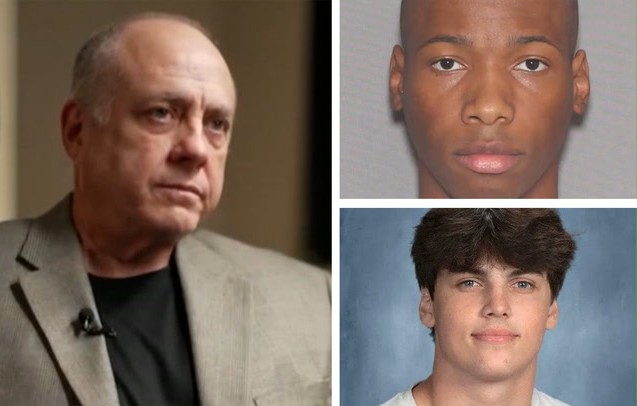
Austin’s father, Jeff Metcalf, has said he did not know about that side agreement until the later hearing and has accused Anthony’s parents of leaving their son alone at sentencing and of showing no remorse. Those comments are part of the public record from June and August; they are not findings by the appeals court.
Retired Judge Michael Chitty denied the new-trial motion on August 22 in a short order, saying he had reviewed the motion, the record, the evidence, and the law. Anthony’s team said it respectfully disagreed and would keep going.
What happens next
Russell Wilson told reporters the trial record should reach the Dallas appeals court around October 7. A defense brief could follow about 30 days later, then a state response and a possible reply. ᴅᴇᴀᴅlines can slip. Briefing may not finish until early 2027. After that, the court can decide on the papers, call for oral argument, affirm the conviction, reverse it, or send issues back. Family spokesperson Dominique Alexander said the appellate path “requires tremendous resources,” which is why the new legal fund exists. Anthony’s father, Andrew, thanked “angels” among online supporters and relatives and said the family would keep fighting. Daredia said the team is confident the case will return. Confidence is not the same as a ruling. Independent lawyers quoted after the verdict have said murder convictions are hard to unwind even when appellate issues exist.
As of this morning, Anthony remains in prison on the 35-year sentence. The fundraising page is live. The Metcalf family still calls the killing a murder, not a justified act. The Anthony family still calls it self-defense and an unfair trial. The Fifth Court of Appeals, not a church microphone or a crowdfunding thermometer, will decide the next legal chapter.
Sources: New York Post