A Miracle Boy’s Fight: How Myles Baughman Defied DIPG, the “Worst Brain Cancer,” and Is Now Approaching His 3rd Birthday
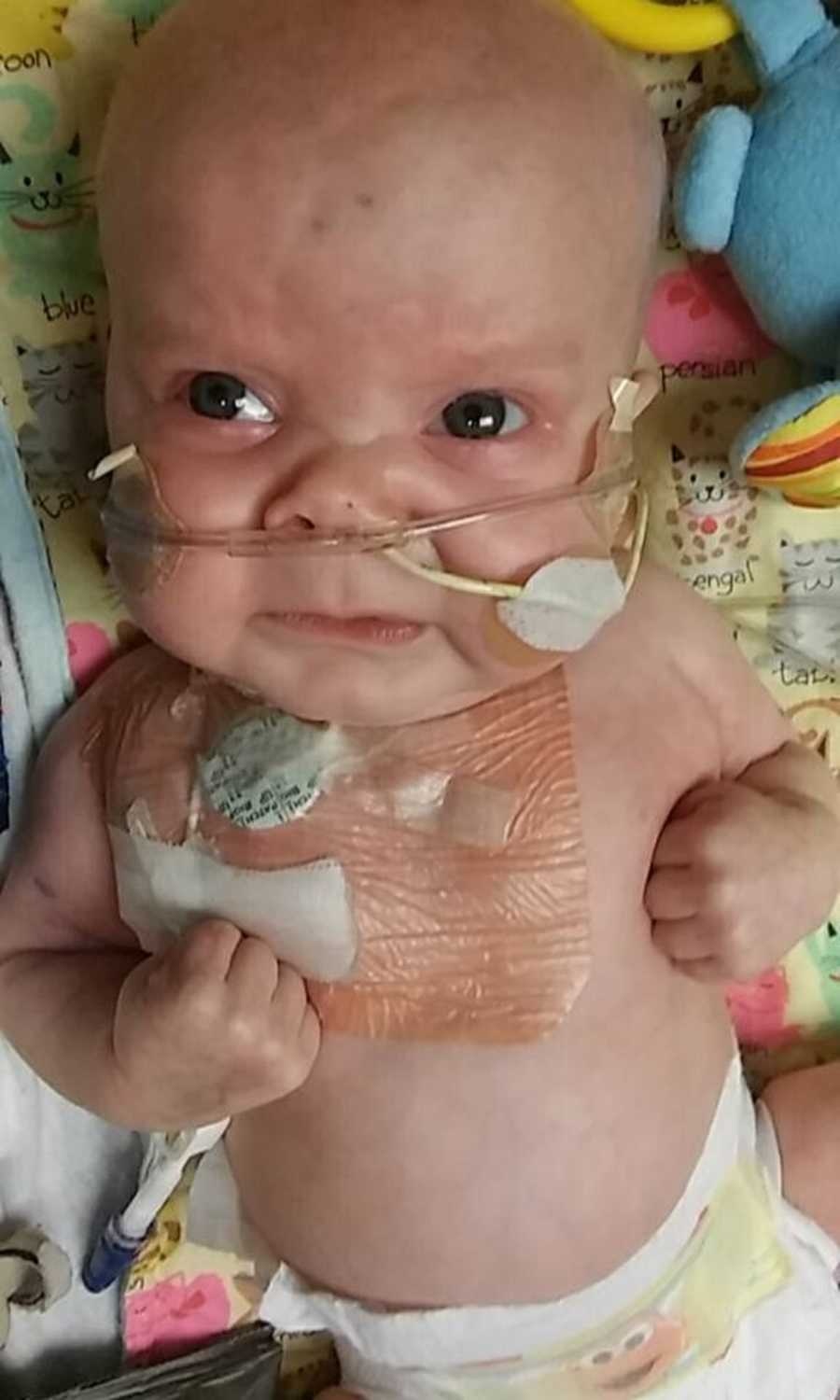
On June 29, a sweet baby boy named Myles Kaleb Baughman entered the world, bringing immense joy to his young parents. He was perfect in every way, and they were excited to begin their new life together as a family. 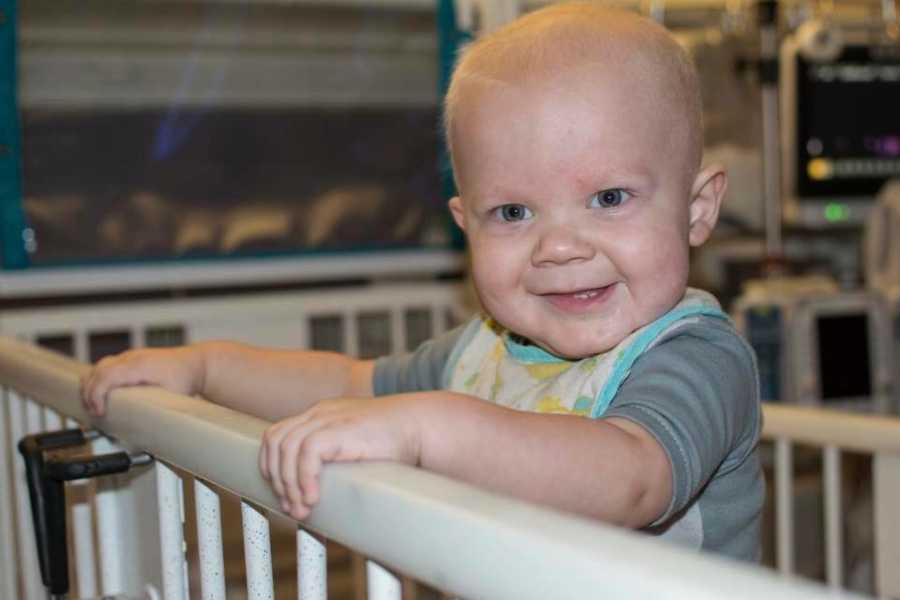 But that joy was short-lived. Just three weeks after his birth, his mother noticed something was terribly wrong. Myles was struggling to feed, taking hours to drink just two ounces of milk, with most of it dribbling out of his mouth. His eyes began moving rapidly side to side, and he started tilting his head back while crying out in distress.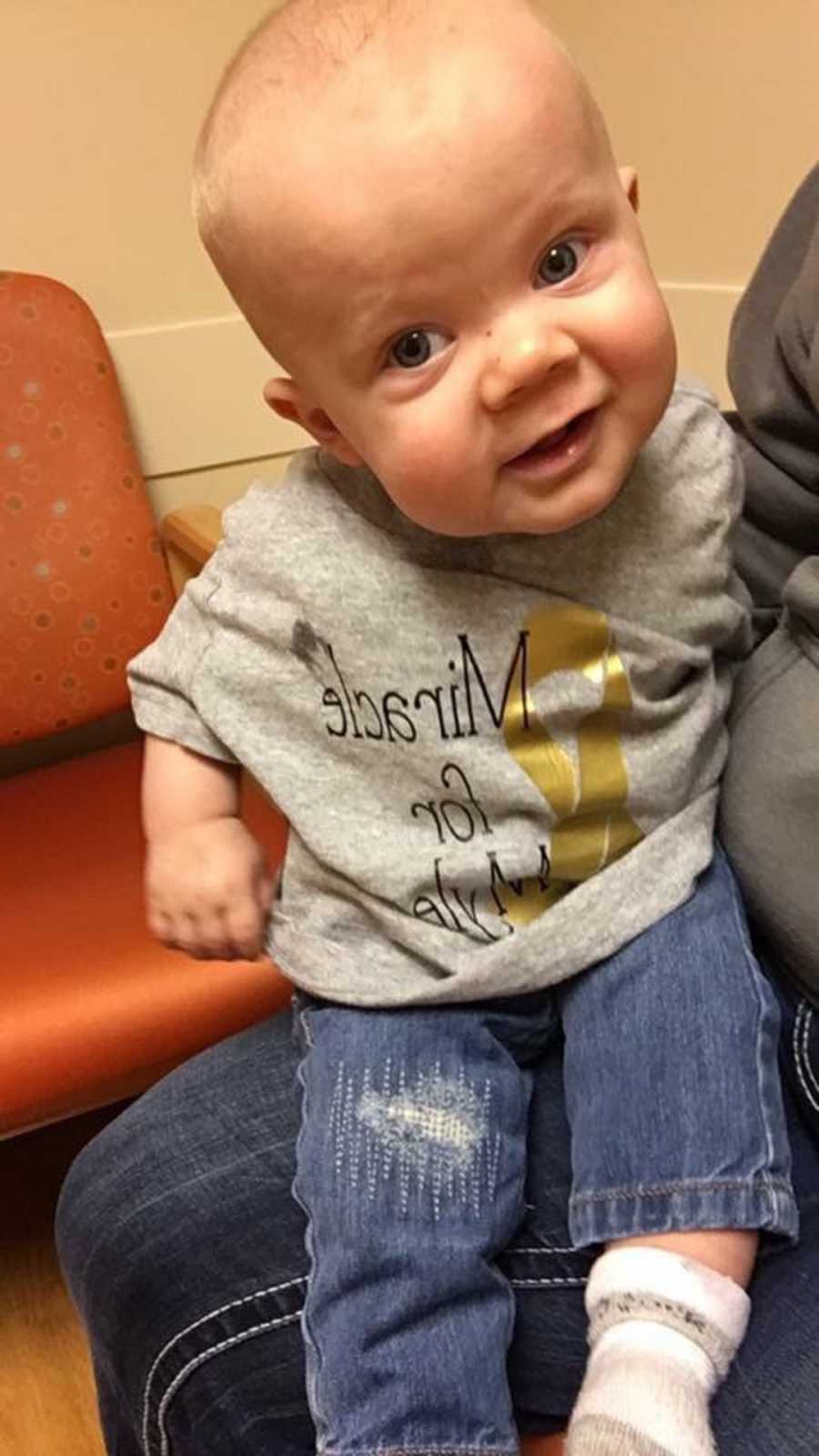
At his one-month check-up on August 2, doctors were immediately concerned. Myles had lost so much weight that he was now below his birth weight. He was rushed to Cincinnati Children’s Hospital and admitted for failure to thrive. What his parents thought would be a short hospital stay turned into a four-month battle for their baby’s life.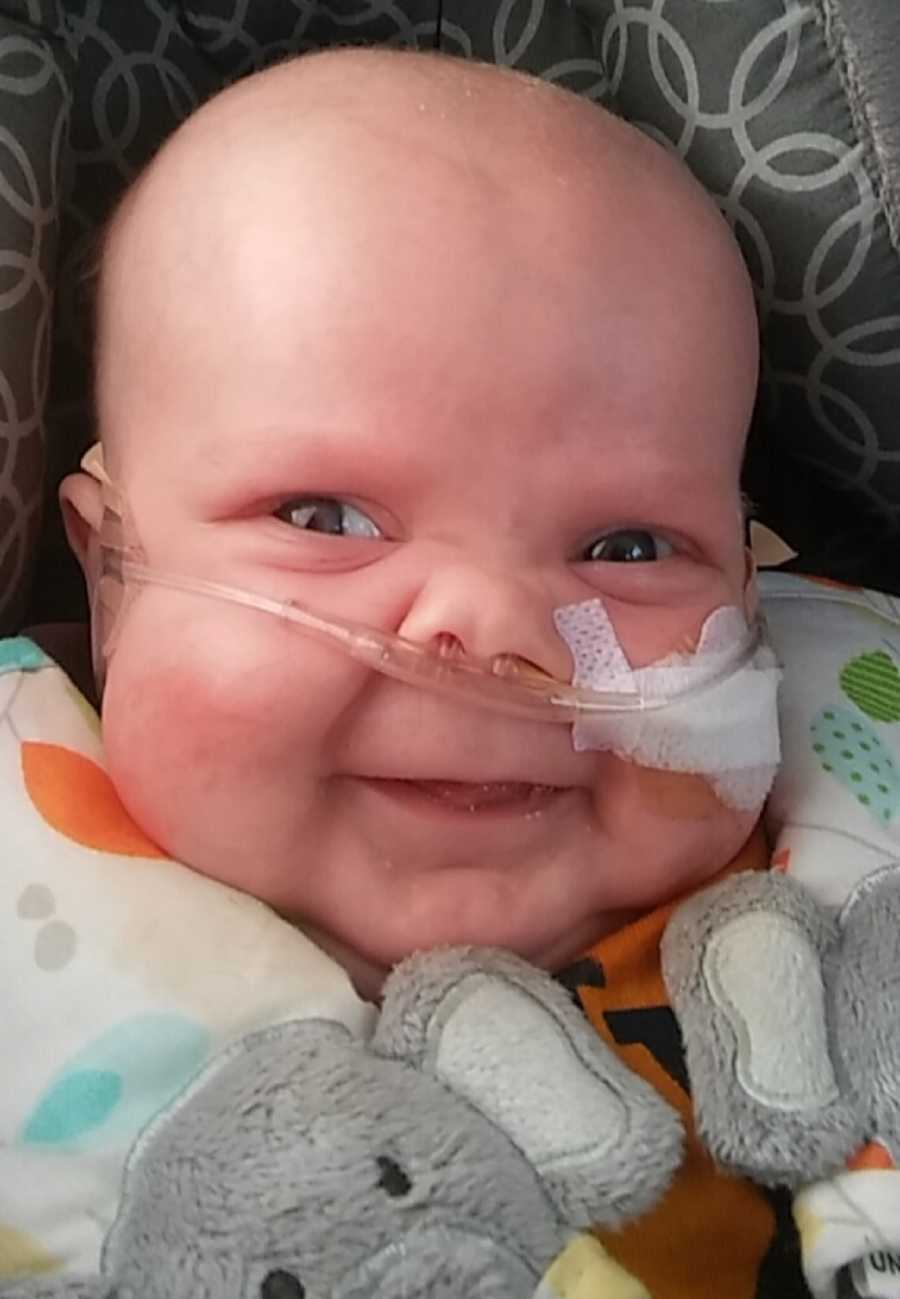
On the second day, an ultrasound revealed swelling on Myles’s brain. An MRI followed, and the devastating news came quickly: their five-week-old son had a brain tumor. The words hit like a freight train. No parent is ever prepared to hear that their newborn baby has a tumor. The doctors couldn’t yet confirm if it was cancerous or reveal its exact location.
As his mother sat in shock, researching what this could mean for such a young child, one terrifying diagnosis kept appearing: Diffuse Intrinsic Pontine Glioma, or DIPG — often called the “worst brain cancer.” This aggressive tumor forms on the brain stem, is inoperable, and typically gives children only 9 to 12 months to live. It was almost unheard of in babies as young as Myles. The family prayed desperately that this wasn’t what their son had.
A biopsy confirmed their worst fear: it was DIPG. Myles’s condition was critical. He was swollen, blue, and struggling to breathe. His tongue was so swollen it wouldn’t stay in his mouth, and he developed a dangerous blood clot in his leg.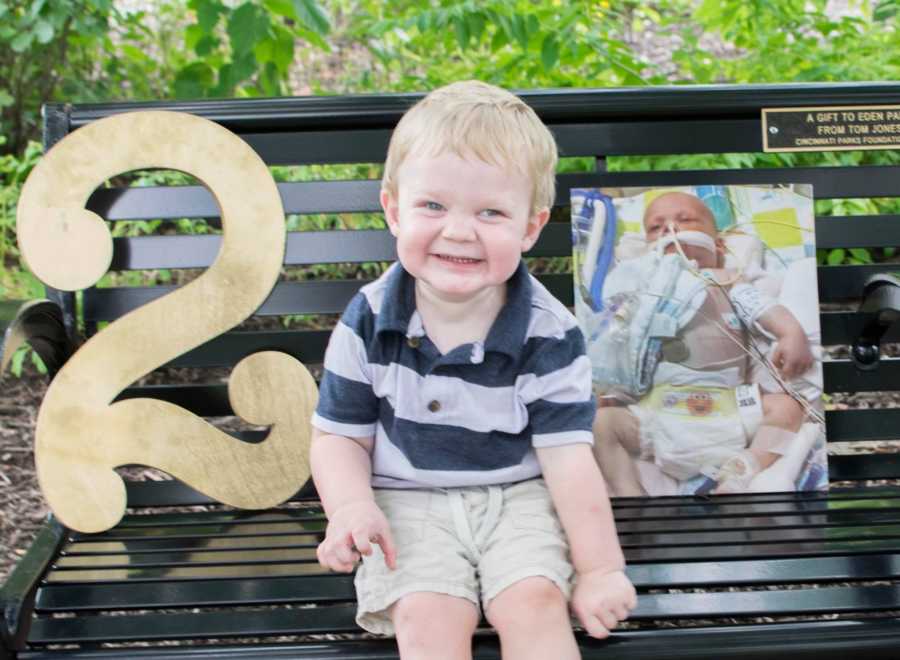 Doctors gave him only a few weeks to live. Because of his young age, standard treatments like radiation weren’t an option. They began chemotherapy — a treatment rarely used for DIPG because it usually doesn’t cross the blood-brain barrier effectively.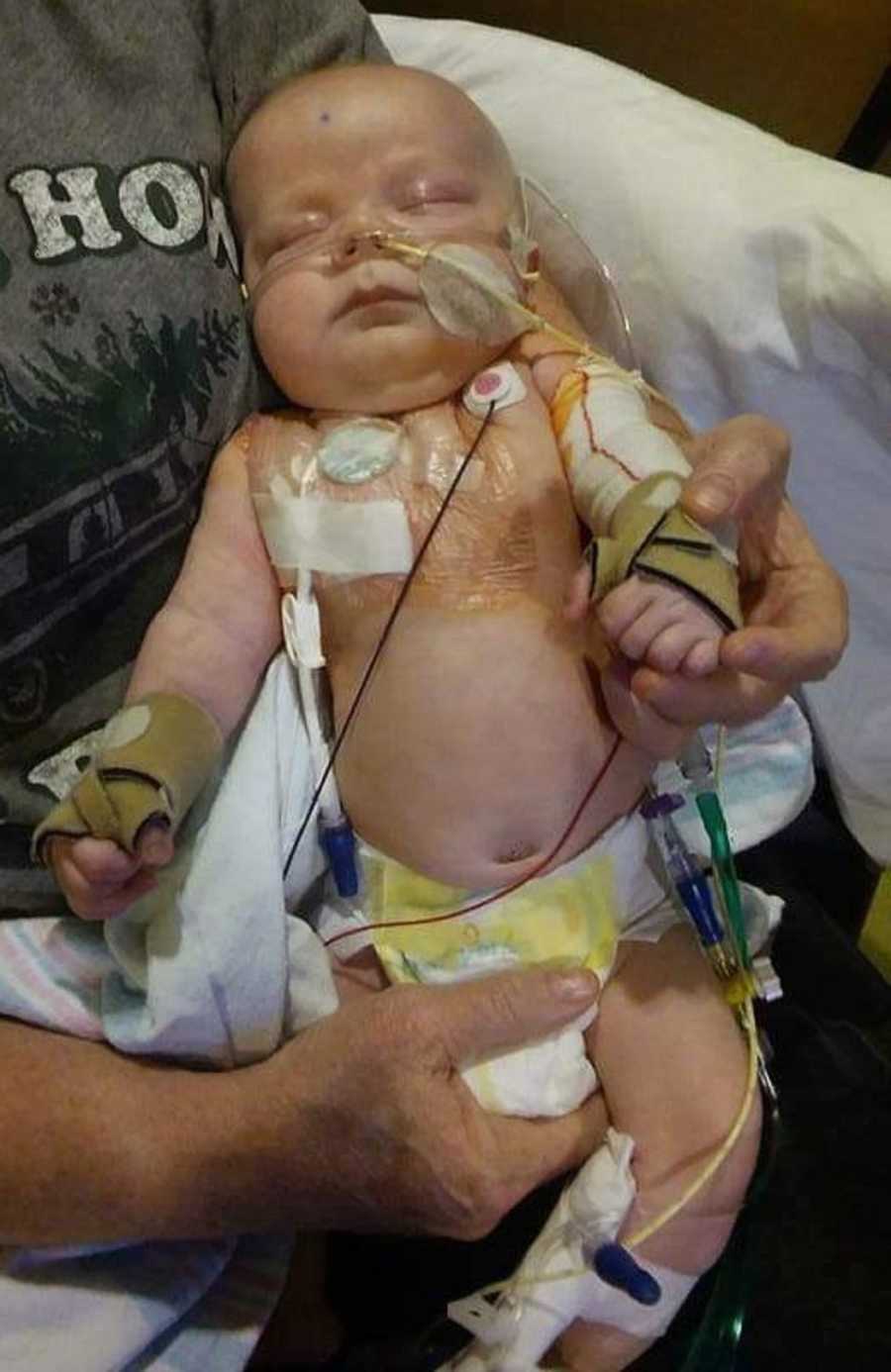
Against all expectations, Myles responded remarkably well. After just a few rounds of chemotherapy, his tumor had shrunk by nearly half. The doctors were shocked. Slowly, he began to stabilize. After months in the hospital, including time in the ICU on a ventilator, Myles was finally able to go home on November 12 — still on oxygen and a feeding tube, but alive and fighting.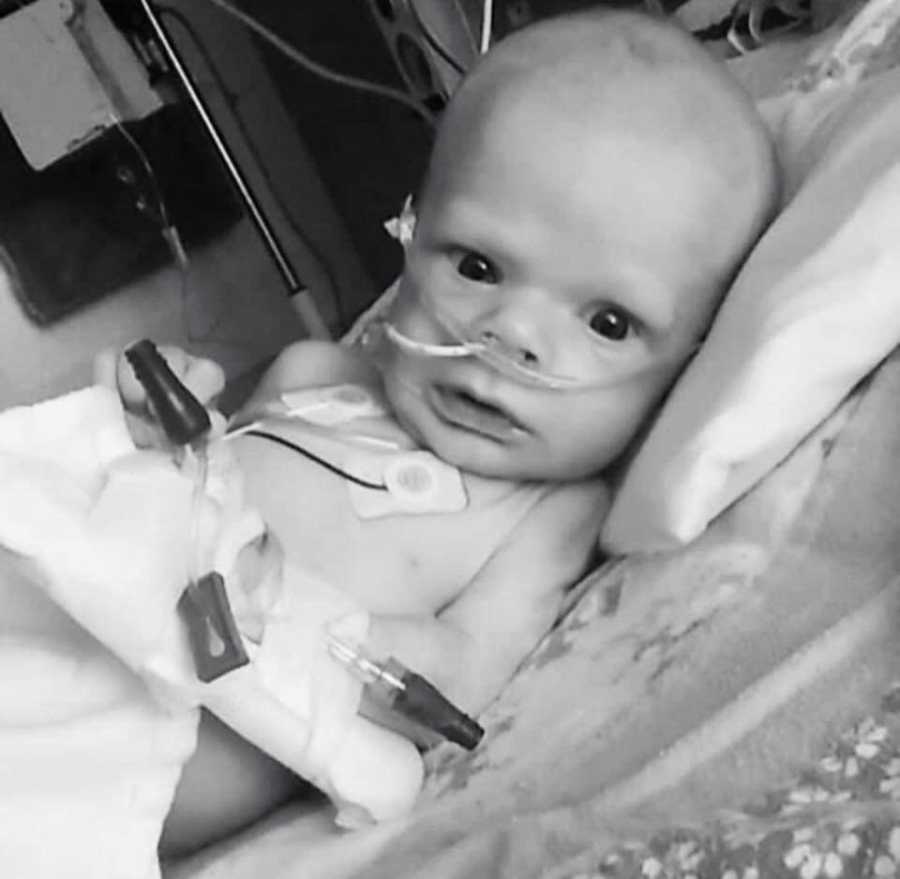
Over the following months, Myles continued to amaze everyone. He came off oxygen, learned to eat on his own, and began hitting milestones, even if they came later than typical. He received monthly chemotherapy treatments and regular scans.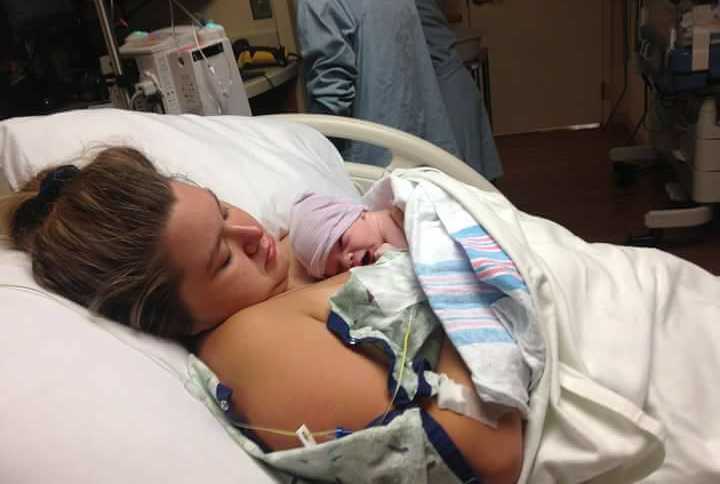 Each time, the results were the same: his tumor remained stable. A year after diagnosis, with no active treatment, his doctors were stunned by how well he was doing. They gradually extended his scan intervals, now checking every four months.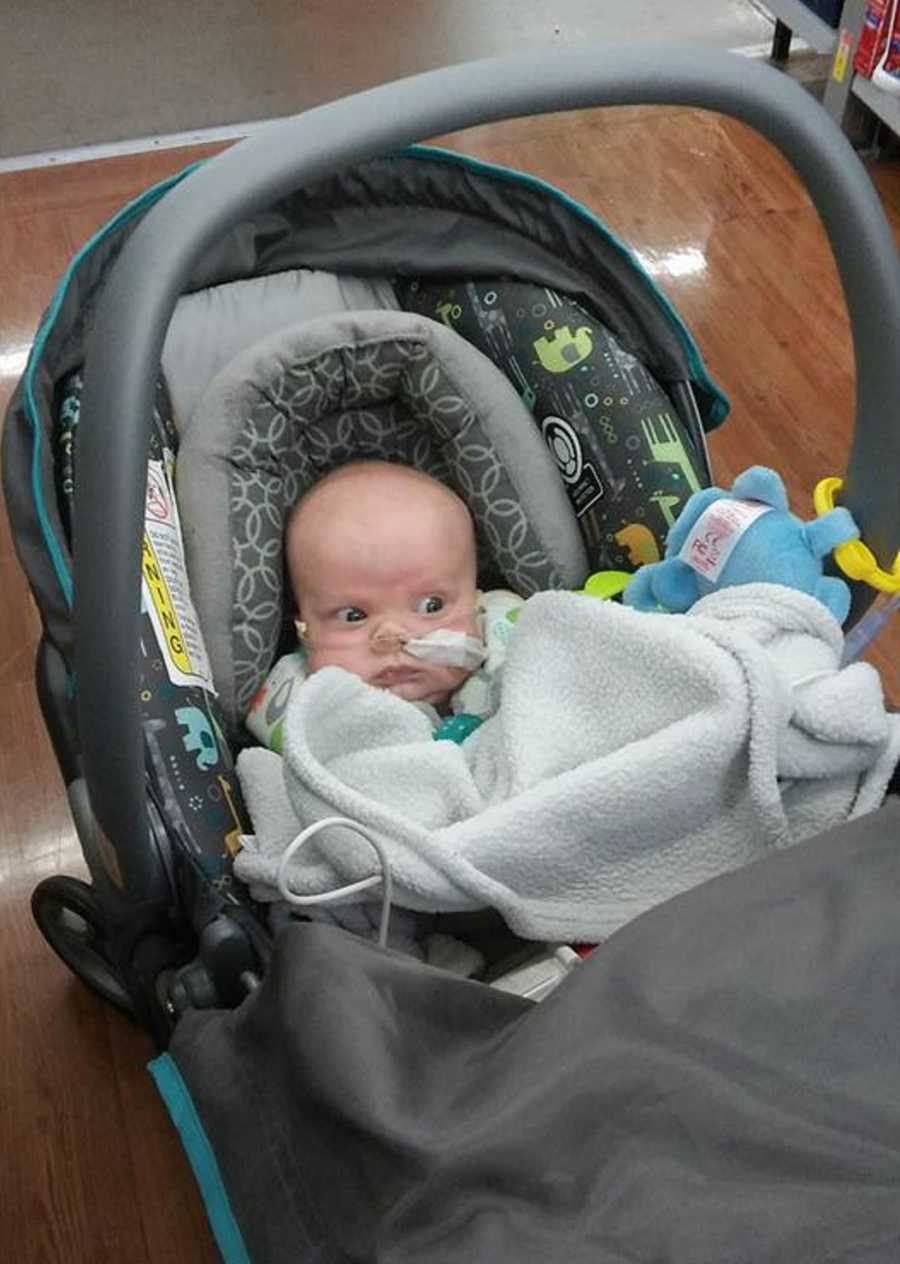
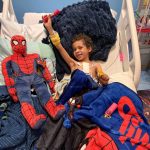
Today, Myles is approaching his third birthday — a milestone his family once feared he would never reach. They are planning a special trip to Thomasland in Mᴀssachusetts, a place he loves, to create precious memories together. His parents describe him as a determined little boy who doesn’t let the “monster in his brain” slow him down. He brings light and joy to everyone around him.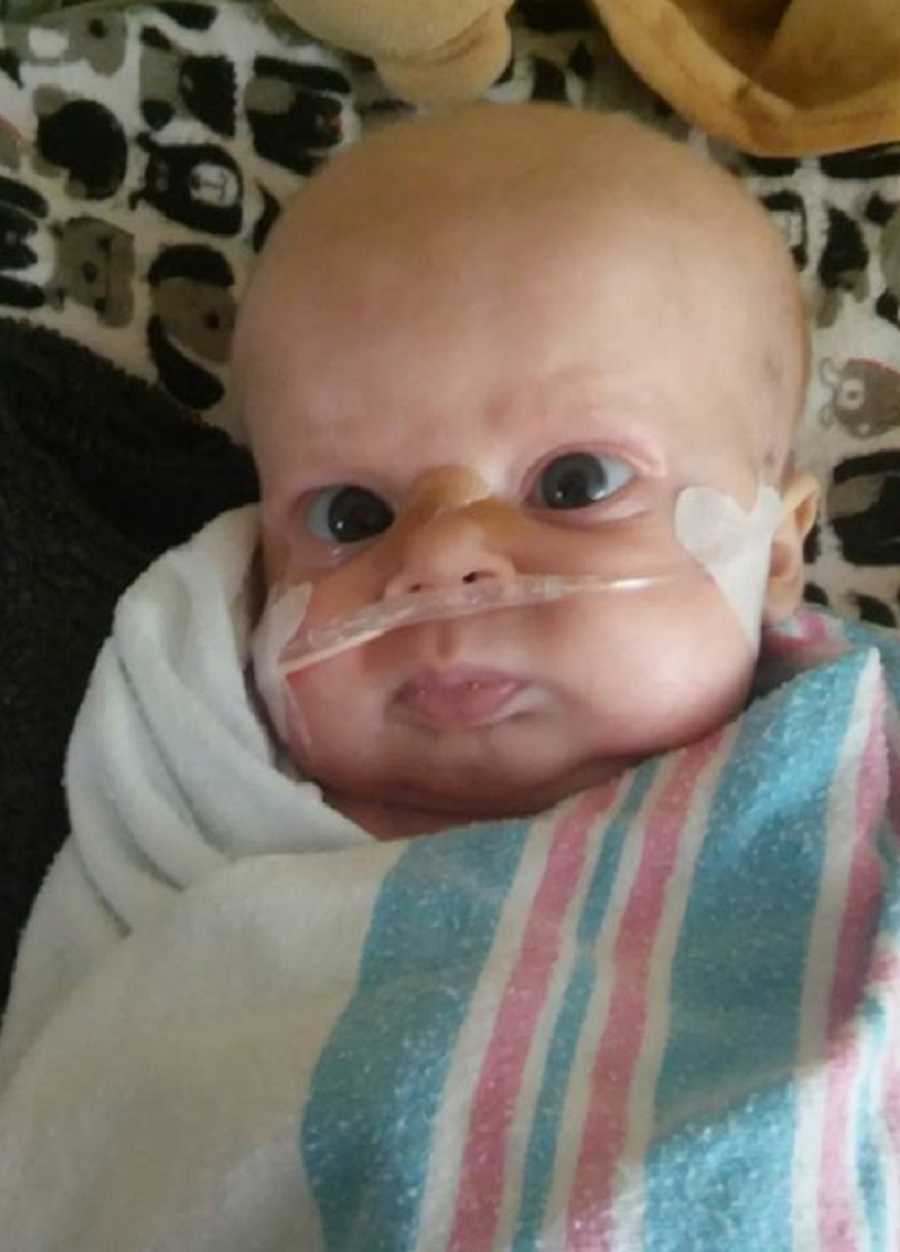
Myles’s story is one of resilience, love, and unexpected miracles. What began as a terrifying diagnosis with almost no hope has become a journey of strength and graтιтude. His family continues to cherish every moment, knowing that DIPG is unpredictable and can progress quickly. They are determined to fill his days with love, laughter, and experiences that matter.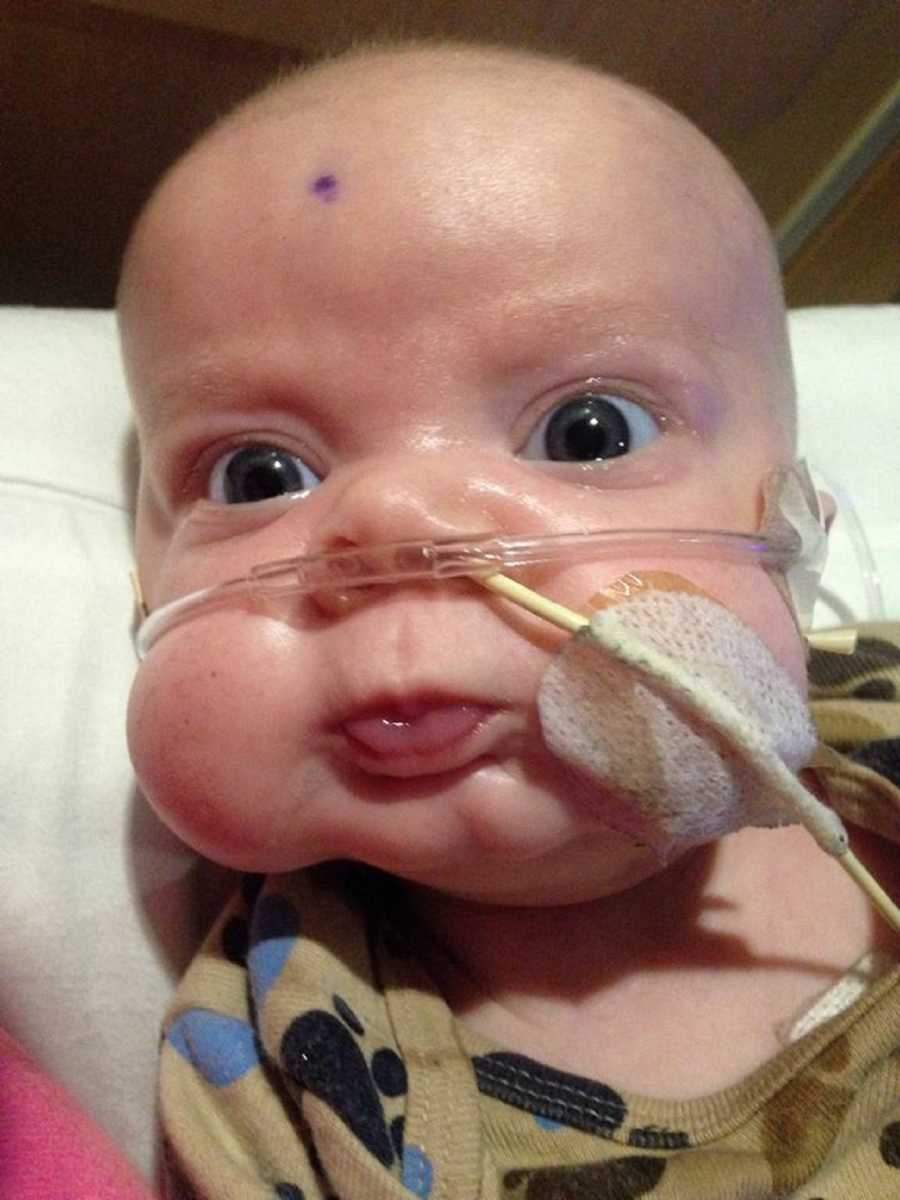
Through it all, Myles has shown what true fighting spirit looks like. He has beaten the odds again and again, proving that even the smallest warriors can inspire the greatest hope. His parents often say he is their miracle — a little boy who has already taught them more about strength, love, and living in the present than they ever imagined possible.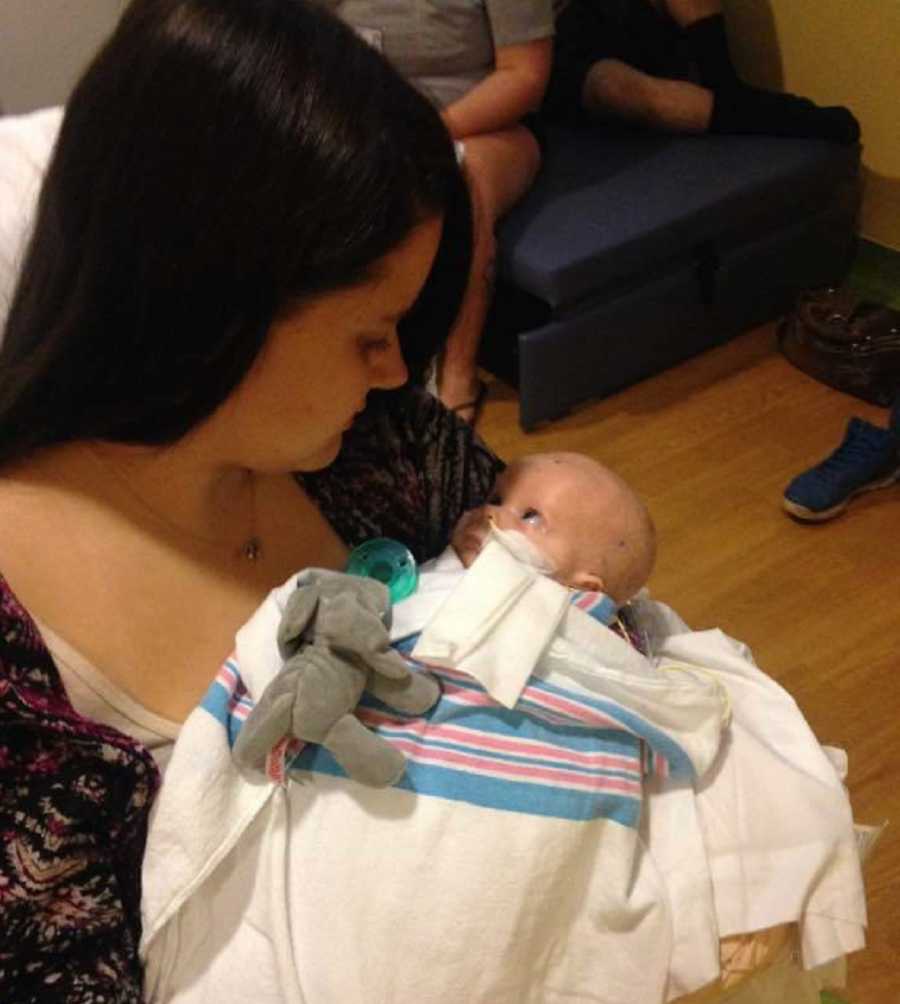
As Myles continues to grow and thrive, his story serves as a powerful reminder of the fragility of life and the incredible courage that can exist even in the tiniest hearts. His family holds onto hope while celebrating every day they get to spend with their sweet, strong boy. Myles Kaleb Baughman may have been given a devastating diagnosis, but he has already lived a life full of love, determination, and quiet miracles — and his journey is far from over.