A Former Bodyguard Turned Cocaine Pipeline Into a Multibillion-Dollar Machine With Pablo Escobar’s Help—Then Watched It Outlive Him
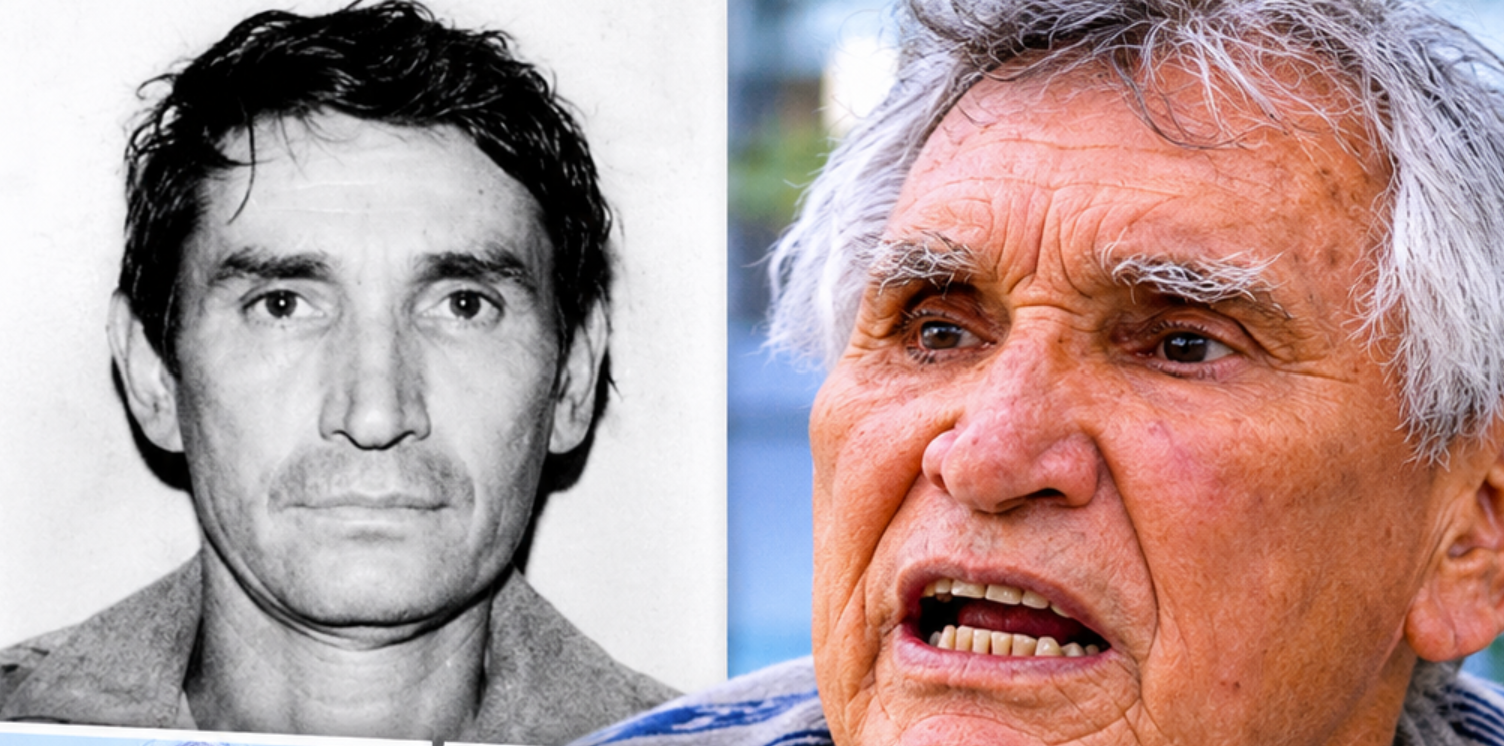
Before he became the figure whose decisions shaped the structure of Mexican organized crime for generations, Miguel Ángel Félix Gallardo was a young man from the outskirts of Culiacán who joined the state judicial police and later protected the Sinaloa governor. Those positions supplied both practical knowledge of security operations and personal relationships with political figures. By the mid-1970s he had moved into trafficking, first handling marijuana and heroin in the traditional northwest corridors. The opportunity that defined his career arrived with the surge in Colombian cocaine production. Colombian organizations, particularly the Medellín Cartel, needed reliable routes into the United States once direct Caribbean and Florida paths grew riskier. Félix Gallardo and his partners in what became the Guadalajara Cartel offered capacity, established plazas, and the ability to move product by light aircraft and other means at a scale previously unseen in Mexico.
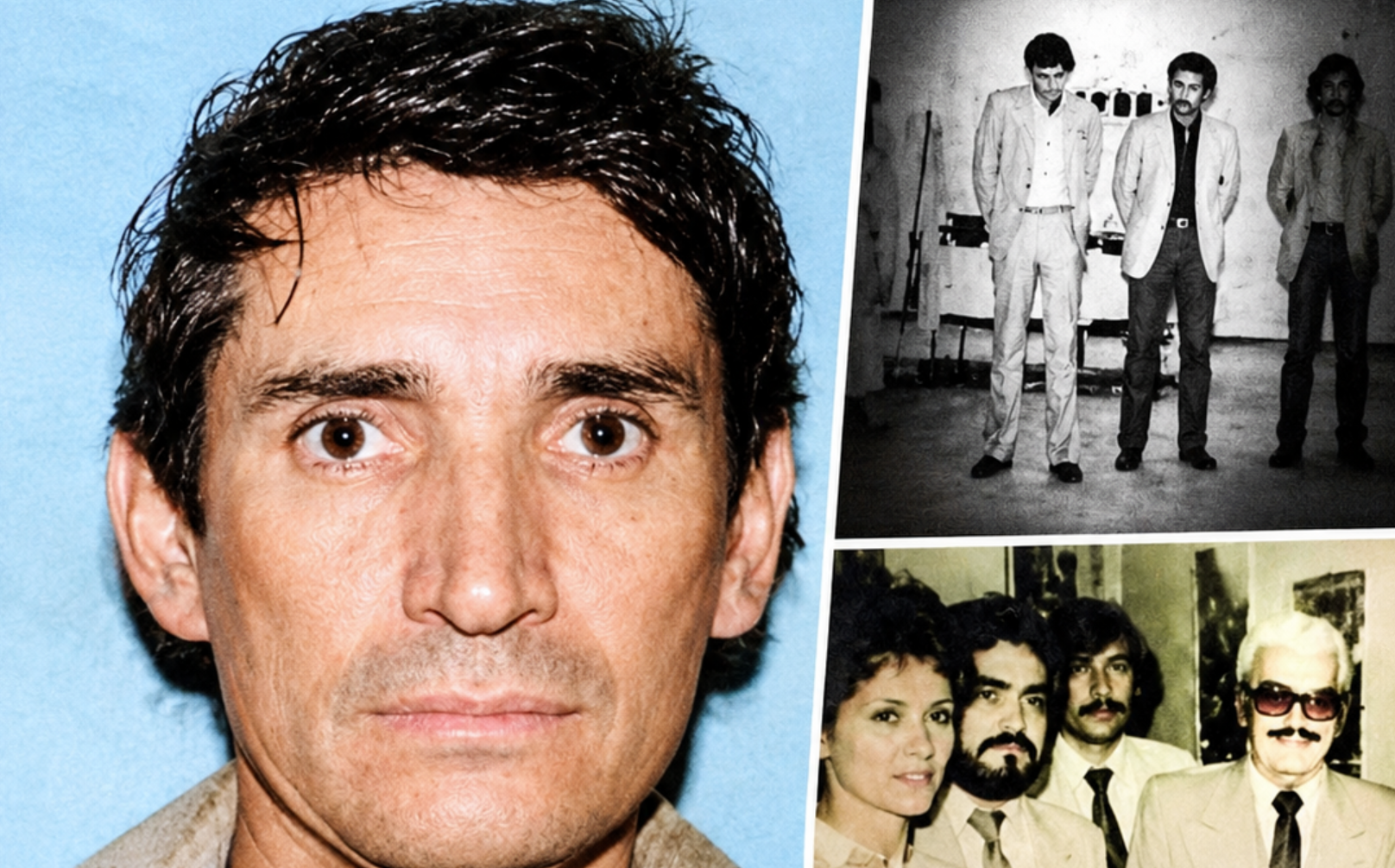
The commercial logic was straightforward and highly profitable. Colombian groups concentrated on production and initial export; Mexican groups managed the final transport and distribution into U.S. markets. The arrangement allowed the Guadalajara leadership to collect substantial fees while reducing their direct exposure to cultivation risks. Félix Gallardo is widely credited with formalizing and expanding these ties, working through intermediaries such as the Honduran Ramón Matta Ballesteros and establishing direct relationships with major Colombian figures. At the height of the 1980s boom, a large percentage of the cocaine entering the United States pᴀssed through Mexican hands under this model. The organization protected its position through systematic payments to police, military, and political actors, creating a layer of official tolerance that let the trade operate with relative openness for years. Guadalajara itself became a hub, its economic growth and relative security at the time reflecting both legitimate activity and the presence of the cartel’s leadership.
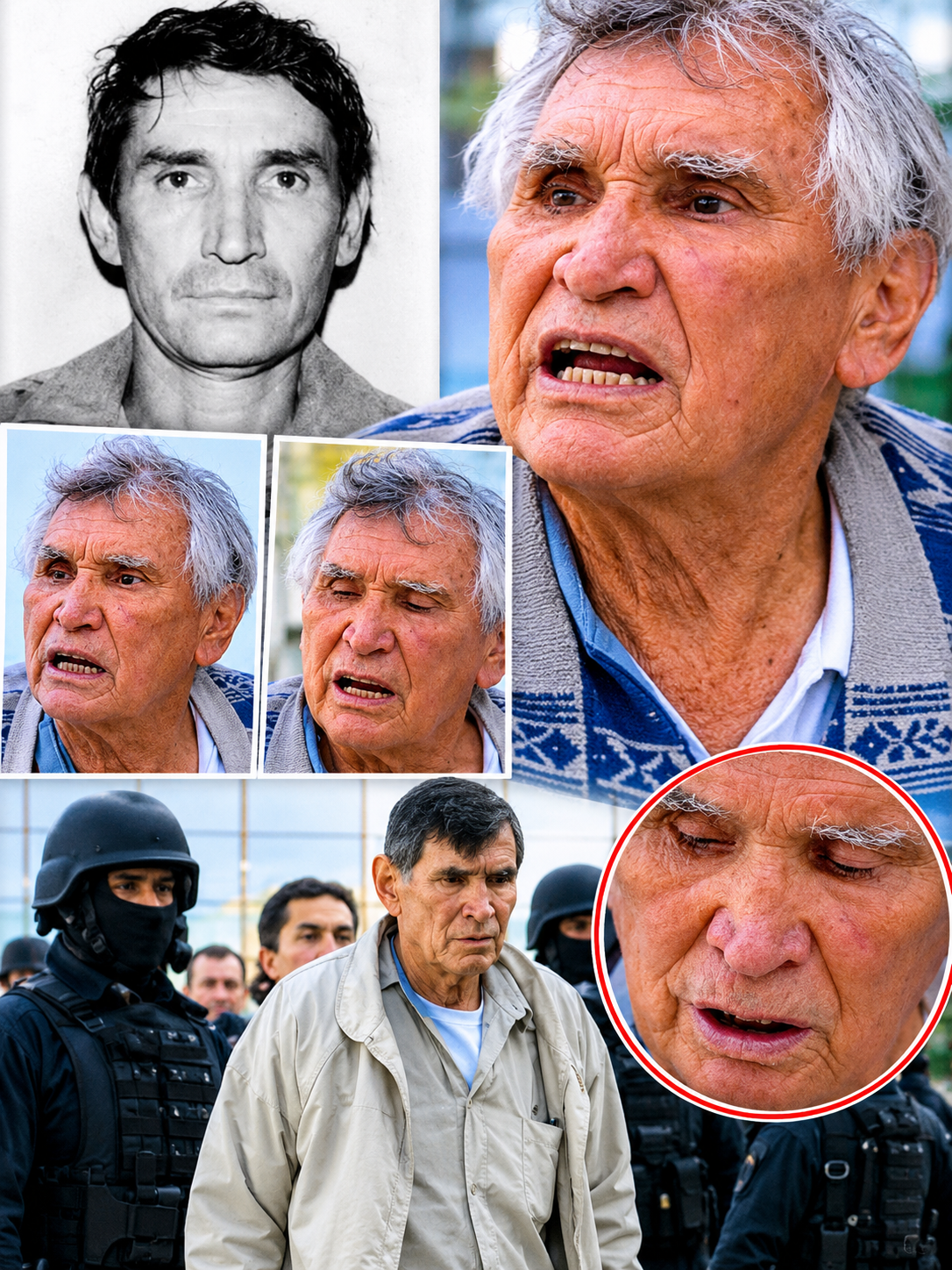
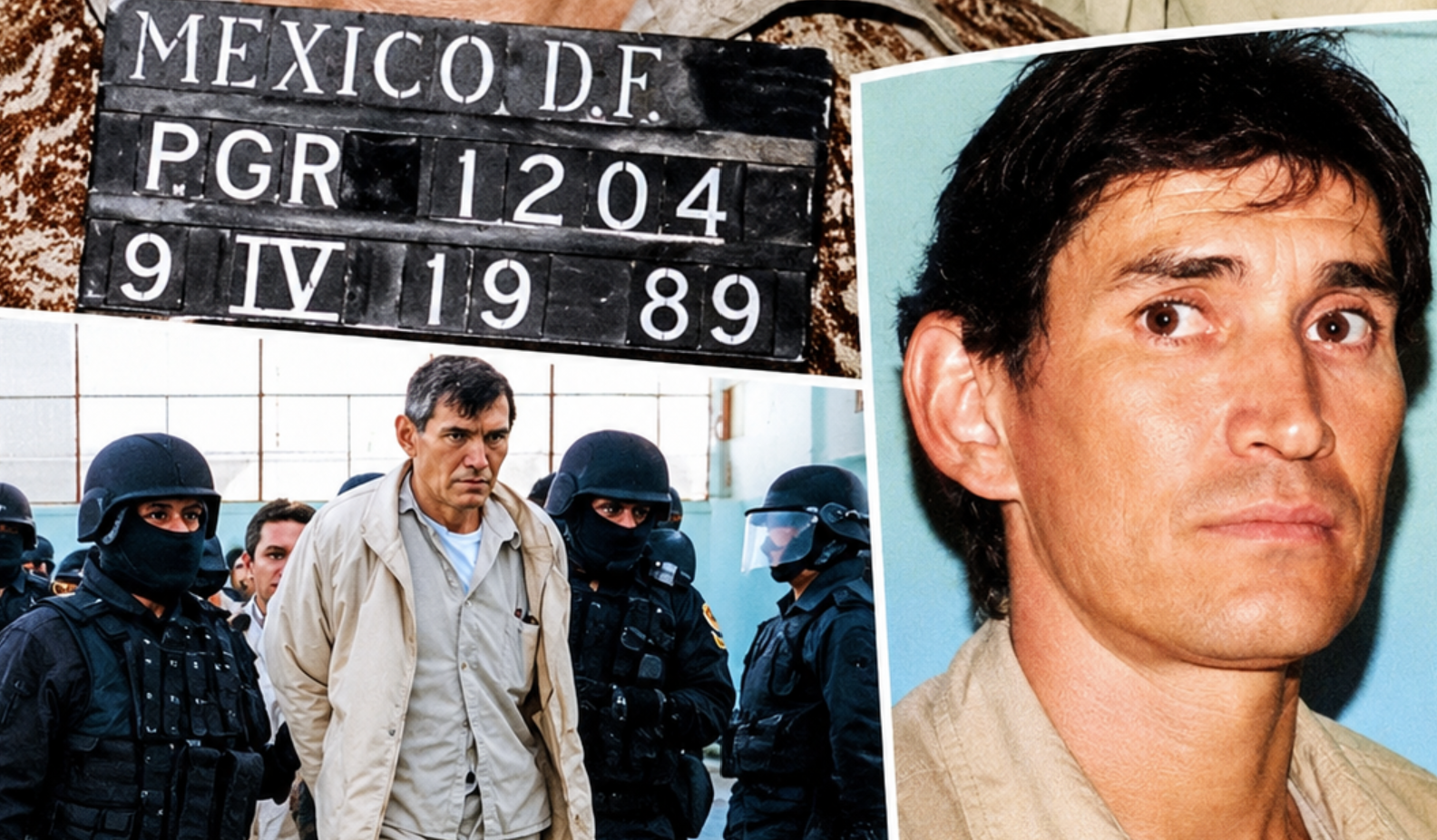
The model’s success, however, also created its vulnerabilities. As volumes rose, so did the stakes of any disruption. When DEA agent Enrique Camarena’s work contributed to the destruction of a major marijuana plantation linked to the group, the response was extreme. The 1985 kidnapping and murder of Camarena and pilot Alfredo Zavala triggered sustained U.S. pressure that Mexican authorities could not indefinitely ignore. Félix Gallardo was arrested in 1989. The sentences that followed—40 years for trafficking and related charges, plus 37 years in 2017 for the murders—removed him from operational control. Yet the infrastructure and relationships he had built did not disappear. Subordinates inherited plazas, and the basic division of labor between Colombian production and Mexican transport continued in modified form under new leadership. Later groups adapted the same logistics principles to other commodities, including methamphetamine and fentanyl precursors.
By the time of his death on November 15, 2026, Félix Gallardo had spent more than 37 years in custody. His physical condition had declined sharply; a 2021 interview showed an elderly man in a wheelchair who could barely hear and who continued to deny any involvement in the Camarena killings. He was moved from Puente Grande prison to a Guadalajara hospital on November 13 after experiencing severe respiratory problems and died two days later of multiple organ failure. The commercial architecture he helped design, however, proved more durable than its founder. The routes, the corruption methods, and the willingness to use extreme violence in defense of market share all outlived the man who first scaled them. What began as a bodyguard’s entry into an existing smuggling economy became the template for an industry that still generates billions of dollars annually and still exacts a steep human price on both sides of the border.