Justice for Sale? Shocking $0 Immunity Deal Rocks Kouri Richins Trial
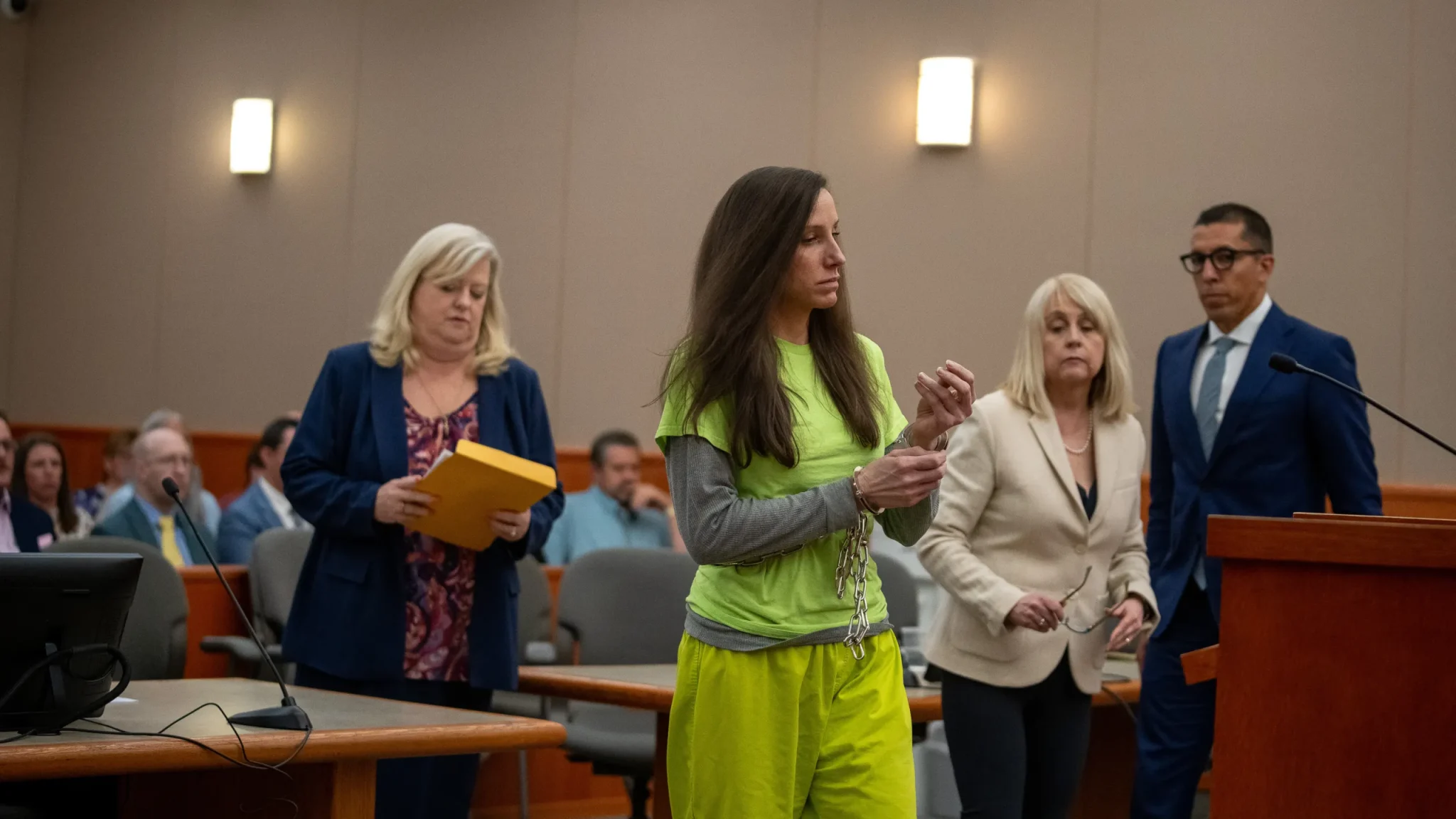
In the high-profile murder trial of Kouri Richins, the pursuit of justice has taken a controversial turn that raises fundamental questions about fairness, witness credibility, and the integrity of the legal system. What was once presented as a straightforward case has now been overshadowed by allegations of a “bartered verdict”—centered on a key witness who reportedly received complete immunity from serious criminal charges in exchange for testimony.
The sudden elevation of a former substance dealer into the prosecution’s star witness has drawn intense scrutiny. According to court developments, this individual—previously facing significant legal exposure—had their criminal record effectively wiped clean just before taking the stand. Defense attorneys argue this represents a “get-out-of-jail-free card” that compromises the entire process, turning the courtroom into a stage for transactional testimony rather than an impartial search for truth.

Observers note the clinical timing: the witness’s history was reportedly “reset to zero” in a swift procedural move, transforming someone who was once a target of law enforcement into a central pillar of the state’s narrative. This type of arrangement, while not uncommon in complex cases, has sparked debate about whether it prioritizes conviction rates over ethical standards. When a witness’s freedom depends entirely on delivering testimony that satisfies the prosecution, questions naturally arise about objectivity and reliability.
Kouri Richins stands accused of fatally poisoning her husband, Eric Richins, with a lethal dose of fentanyl. Prosecutors maintain she orchestrated the act for financial and personal motives. However, the defense has vigorously challenged the foundation of the case, pointing to what they describe as a “manufactured story” built on strategically granted immunity. They contend that such deals create an environment where witnesses are incentivized to align their accounts with the prosecution’s theory, potentially filling evidentiary gaps at the expense of full transparency.
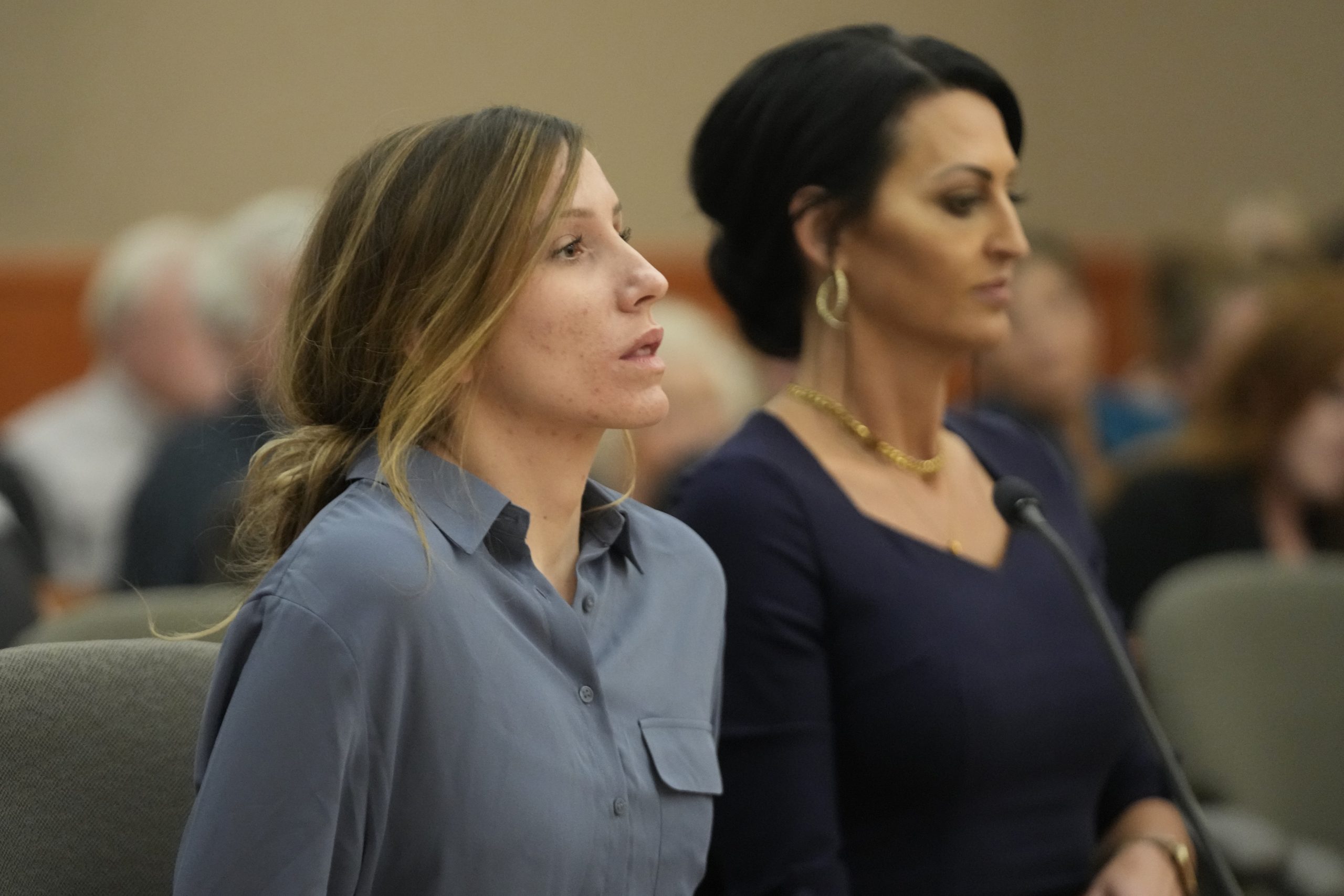
The implications extend beyond this single trial. Legal analysts describe the situation as a “transactional narrative,” where the state may set aside prosecution of known offenses to secure a higher-profile conviction. Critics argue this approach undermines public trust in the judicial system, suggesting that justice becomes a matter of negotiation rather than discovery. In this high-stakes setting, every piece of testimony—especially from immunized witnesses—must be examined with heightened skepticism.
Adding to the tension are claims of psychological pressure and selective presentation of digital evidence designed to create an atmosphere of presumed guilt. The defense maintains that the real issue is not just one defendant’s fate, but the broader precedent being set: when the scales of justice can be tipped through deals made behind closed doors, the concept of impartial truth faces its greatest threat.

As the trial unfolds in Utah, public attention remains fixed on these developments. Supporters of the prosecution view the immunity arrangement as a necessary tool to uncover difficult truths in cases involving complex networks. Others see it as a dangerous erosion of principles, where the end justifies questionable means. The abrupt dismissal of charges against the witness has created what many call a “credibility vacuum” that polished courtroom arguments struggle to overcome.
Ultimately, the Kouri Richins case has evolved into more than a murder trial—it has become a referendum on modern judicial practices. The $0 deal at its center forces everyone involved—legal professionals, observers, and the public—to confront uncomfortable realities about how verdicts are secured in today’s courts.
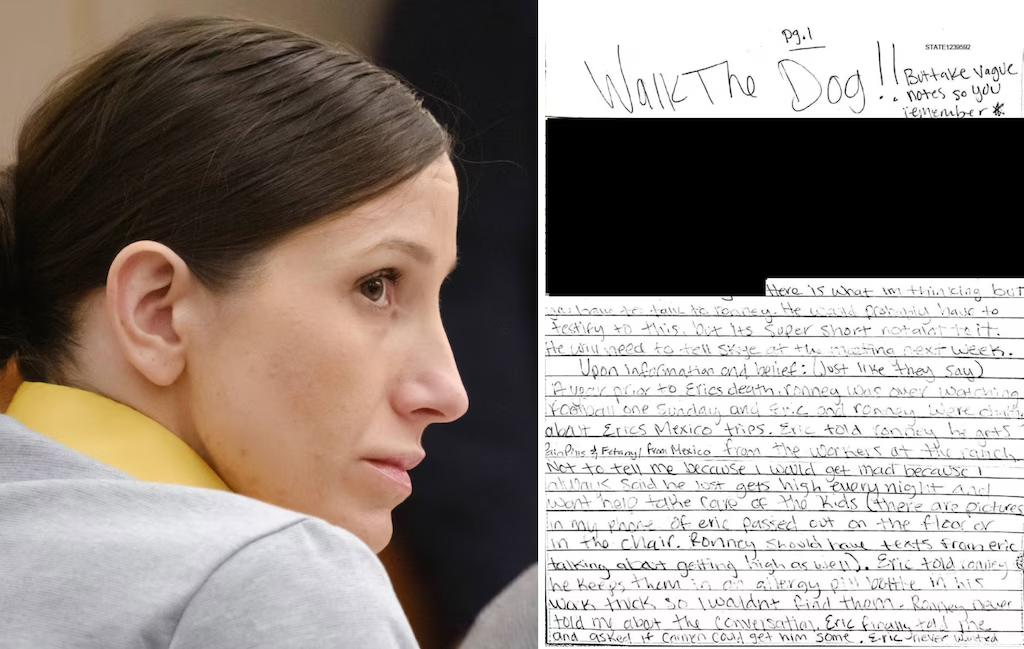
Whether this immunity arrangement delivers justice or compromises it remains the central question. As closing arguments approach and the jury deliberates, the broader conversation about accountability, fairness, and the true cost of conviction continues to resonate far beyond the courtroom walls. The outcome will not only determine one woman’s future but may also shape perceptions of whether truth in a court of law can still be considered priceless—or if it has become just another commodity available for the right exchange.