An 18-Month-Old Girl Born With a Rare Genetic Condition: Her Unusually Large Tongue Left Her Family Searching for Answers
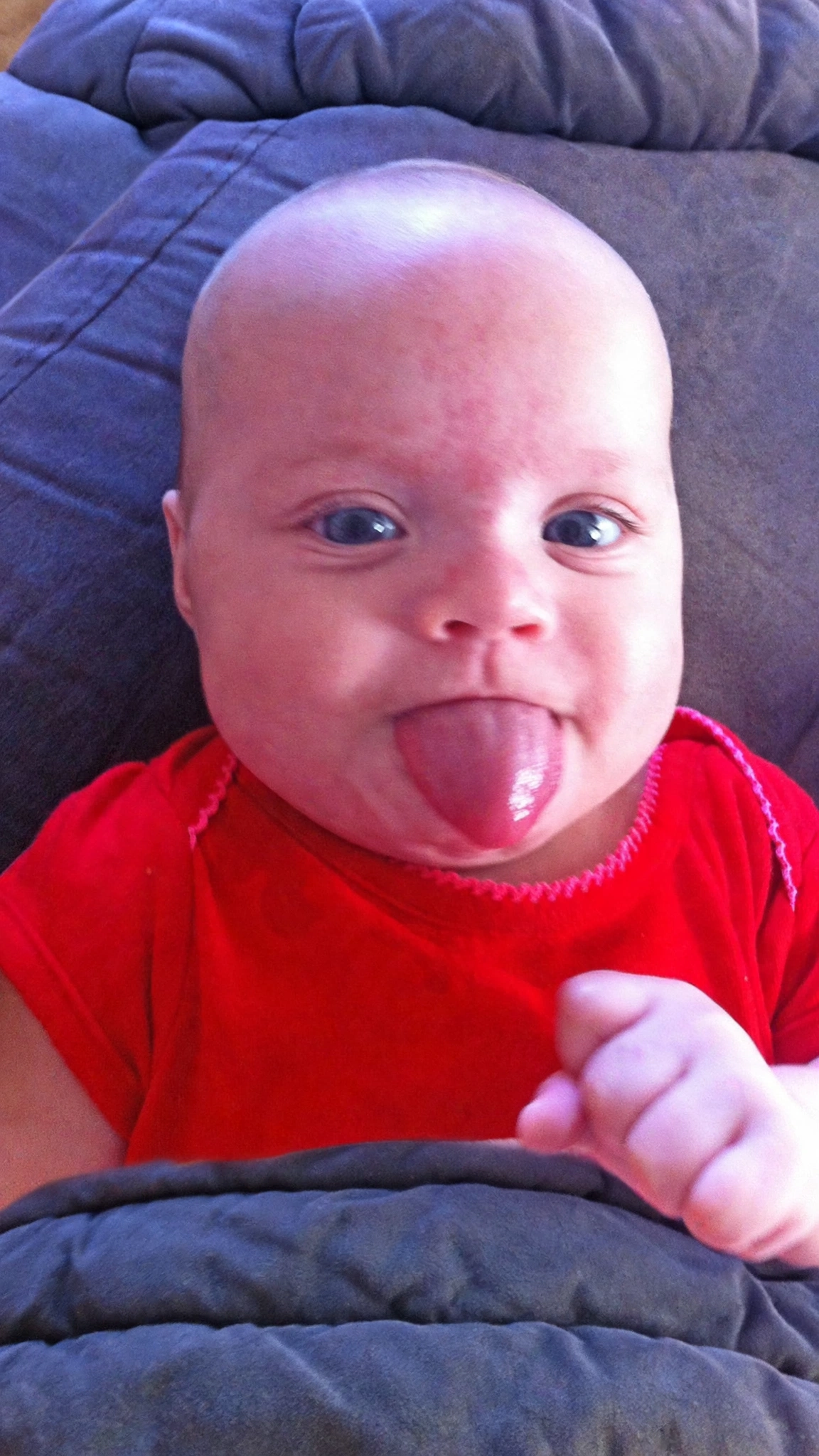
Ocea Varney, an 18-month-old girl from Cairns, Australia, has attracted attention because of her unusually large tongue, which constantly protruded from her mouth. Behind her distinctive appearance was a rare genetic condition that had been present even before she was born.
👶 During pregnancy, Ocea’s mother, Melanie, first noticed something unusual in her daughter’s ultrasound images. The baby’s tongue appeared significantly larger than normal. When Ocea was born, the condition became even more apparent. Her tongue extended well beyond her tiny mouth and could barely fit inside.
At first, her family was overwhelmed with worry. They struggled to understand why their newborn daughter looked so different. After several medical consultations and extensive research, they learned that Ocea had Beckwith-Wiedemann syndrome (BWS), a rare genetic disorder that affects the way certain genes regulate growth and development.
🩺 One of the characteristic features of this condition is macroglossia, a medical term for an abnormally enlarged tongue. In some children, the tongue becomes so large that it cannot rest comfortably inside the mouth. Beyond changing a child’s facial appearance, this condition can interfere with important everyday functions, including breastfeeding, eating, swallowing, and speech development.
💔 For Melanie, watching her little girl struggle from such an early age was heartbreaking. Ocea had a twin sister named Indigo, but the differences between the two babies were noticeable. While Indigo developed without the same complications, Ocea faced difficulties because of her enlarged tongue.
Even something as natural as drinking milk could become a challenge. Sometimes, Ocea tried to breastfeed but struggled to latch properly. Her mother worried about how the condition might affect her daughter as she grew older, particularly when it came to eating solid foods, swallowing, and eventually learning to speak.
🏥 Ocea’s medical challenges began immediately after birth. She spent approximately a week receiving special hospital care because of dangerously low blood sugar levels, another complication that can occur in babies with Beckwith-Wiedemann syndrome.
During the following months, her parents worked tirelessly to find doctors who understood the rare condition. After approximately three months, they managed to connect with a specialist in Brisbane, Australia, who could properly ᴀssess Ocea’s health and guide the family through the next steps.
Doctors confirmed her BWS diagnosis and arranged additional examinations to monitor her for possible tumors. Children with this syndrome have an increased risk of developing certain childhood cancers, making regular medical surveillance especially important. Fortunately, Ocea’s initial screenings did not reveal any abnormal tumors.
❤️ When Ocea was around seven months old, her family traveled all the way to Missouri, United States, where she underwent surgery to reduce the size of her tongue.
The procedure was an important step toward improving her quality of life. By reducing the enlarged tissue, doctors hoped to make it easier for Ocea to use her mouth, feed more comfortably, and develop essential oral functions.
Although the surgery offered new hope, her medical journey was far from over. Ocea continued to require regular follow-up appointments and health examinations, approximately every six months, to monitor her development and screen for potential complications ᴀssociated with BWS.
🌷 Melanie did not want other families to experience the same confusion, fear, and uncertainty that she had faced. Together with another mother whose child also had Beckwith-Wiedemann syndrome, she helped create an online information resource to raise awareness of the condition.
Their goal was to help parents and healthcare professionals recognize the early warning signs, understand the condition, and seek appropriate medical care as soon as possible.
Ocea’s story is a reminder that unusual physical differences in babies can sometimes be signs of complex medical conditions that require early diagnosis and specialized treatment. Behind every hospital visit, examination, and surgery is a family hoping for one simple thing: to see their child grow up healthy and happy.
Despite the challenges she faced from the very beginning of her life, Ocea has had the love and support of her family every step of the way.
💗 May Ocea and all children living with rare medical conditions grow stronger every day, enjoy good health, and have a happy childhood surrounded by endless love, care, and hope!