Noah: Growing Up With Cranioectodermal Dysplasia, A Rare Genetic Condition That Affects His Appearance
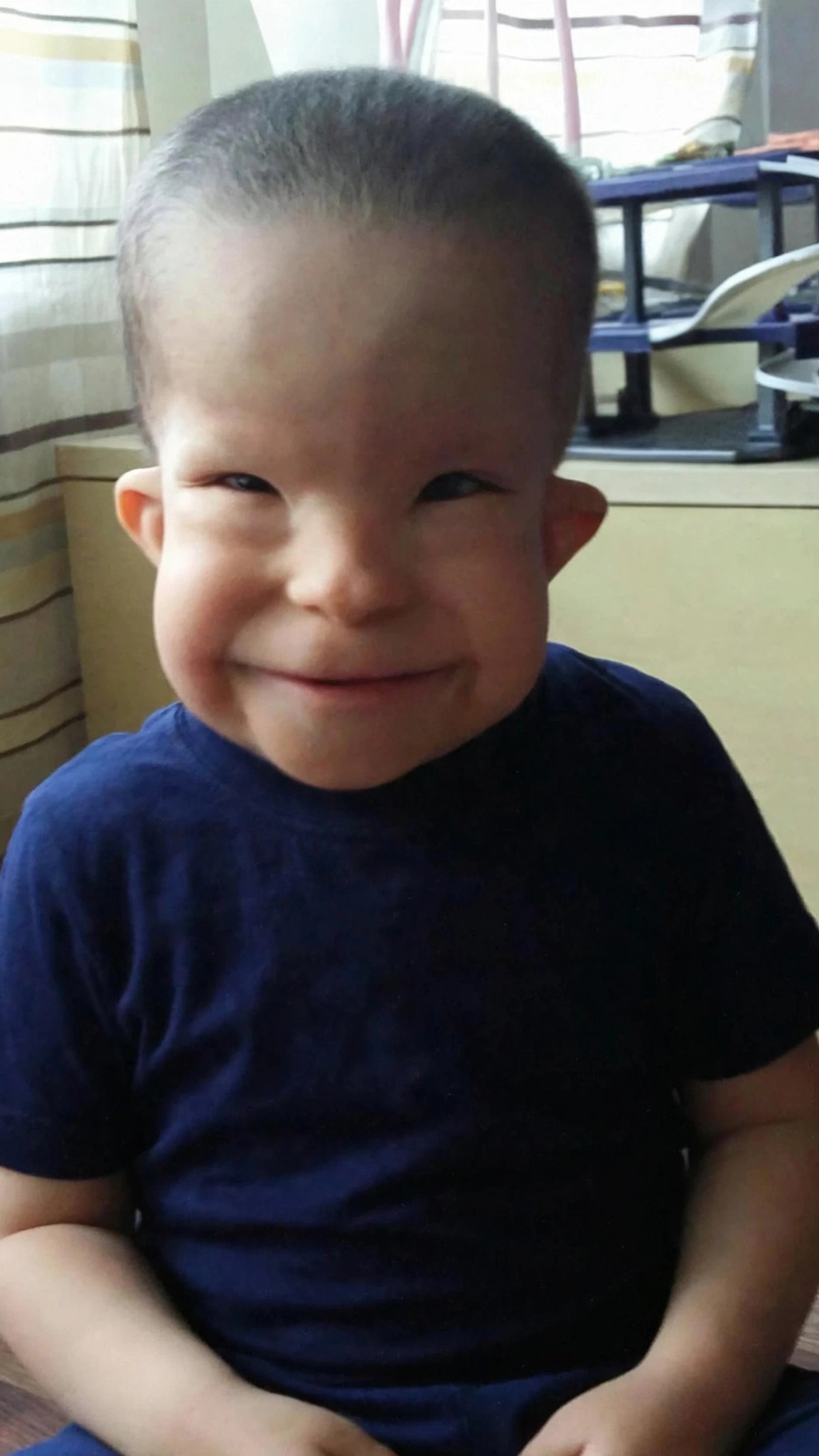
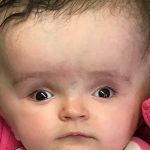
When Noah was born, his parents quickly noticed that his appearance was different from that of most newborn babies. His head had an unusual shape, with a noticeably prominent forehead and distinctive facial features. Although they initially hoped these differences were simply part of his natural development, they soon realized that their son might be facing a medical condition that required further investigation.
As Noah grew older, additional physical differences became increasingly apparent. His hair remained unusually thin and sparse, and his teeth did not develop in the typical way. His arms and legs also appeared shorter than those of other children his age. These changes made his parents increasingly concerned about his growth and overall development.
At first, the family struggled to understand why Noah was developing differently. They sought medical advice and took him for several examinations. After further investigations, doctors identified a rare genetic disorder known as Cranioectodermal Dysplasia (CED), also called Sensenbrenner syndrome.
Cranioectodermal dysplasia is an uncommon inherited condition that affects the development of several parts of the body. It belongs to a group of disorders known as ciliopathies, which are ᴀssociated with abnormalities in the function of tiny structures inside cells called cilia. These structures play an important role in many biological processes, including the development and functioning of different organs.
The condition can affect the skull, facial structure, skeleton, hair, teeth, and nails. Children with this disorder may have a distinctive head shape, a prominent forehead, sparse hair, unusually shaped teeth, a narrow chest, and shortened limbs. The severity of symptoms varies considerably from one child to another, meaning that not every affected child experiences the same physical characteristics or medical complications.
One of the most concerning aspects of cranioectodermal dysplasia is that its effects are not limited to a child’s outward appearance. In some cases, the condition can also affect internal organs, particularly the kidneys and liver. Kidney abnormalities may gradually interfere with normal kidney function, while liver complications can create additional health challenges. Some children may also experience respiratory difficulties, skeletal abnormalities, and problems with growth.
For Noah and his family, receiving the diagnosis meant beginning a long journey of medical care and monitoring. Regular examinations became an important part of everyday life. Doctors needed to observe his physical development, ᴀssess his skeletal structure, and monitor the health of his kidneys and liver to identify potential complications as early as possible.
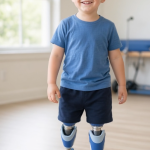
Growing up with this condition could also present challenges in everyday activities. Running, jumping, playing sports, and keeping up with other children might require additional effort, depending on his physical development and any ᴀssociated complications. Activities that other children performed without thinking could sometimes become more difficult for Noah.
His parents also had to learn how to support his individual needs while helping him experience as normal and enjoyable a childhood as possible. Medical appointments and health concerns were important, but they did not want their son’s entire life to revolve around his diagnosis.
Despite the difficulties ᴀssociated with a rare genetic disorder, Noah remained a child with his own personality, interests, and dreams. He enjoyed playing with his toys, listening to stories, and spending precious moments with the people he loved. These ordinary childhood experiences became especially meaningful to his family.
His parents gradually understood that raising a child with a rare condition required more than medical treatment. It demanded patience, emotional strength, constant encouragement, and an environment where Noah could feel accepted and confident.
They wanted him to understand that looking different did not make him less valuable or less deserving of friendship, education, love, and happiness. His physical appearance was only one part of who he was, not the definition of his idenтιтy.
Noah’s story highlights the challenges that children with rare genetic disorders and their families may face. It also reminds us that every child deserves compᴀssion, dignity, and the opportunity to experience life beyond the limitations of a medical diagnosis.
Behind every unusual appearance is a human story, and behind every rare disease is a child who deserves to be seen for much more than the condition they were born with.