A Syrian Baby Weighing Just 1.9 Kilograms Became a Heartbreaking Symbol of War and Childhood Malnutrition
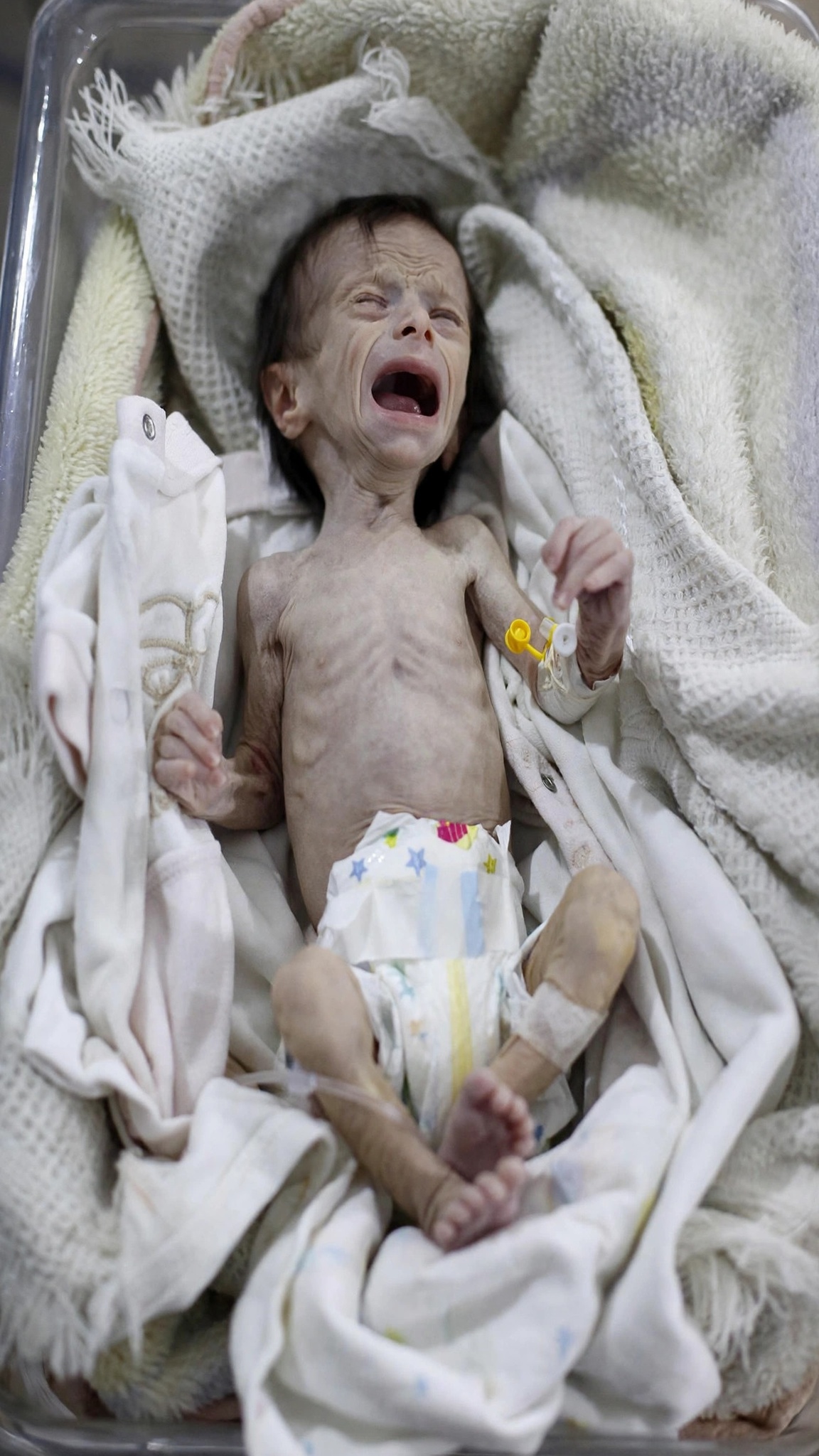
A pH๏τograph of a severely malnourished Syrian baby once circulated widely across social media, leaving people around the world shocked by the devastating effects of war on innocent children.
The infant, whose exact age was not publicly identified in the account, was being cared for by a nurse at a small hospital in Hamouria, in the Ghouta region on the outskirts of Damascus, Syria.
According to the doctors, the baby weighed only 1.9 kilograms, a weight even lower than that of many newborn infants.
The child’s extremely thin body reflected the devastating consequences of severe nutritional deprivation. For many people who saw the pH๏τograph, it was a painful reminder that behind the headlines about armed conflict were countless children struggling simply to survive.
In war-torn areas, families frequently face severe shortages of food, clean water, medicine, and essential medical services. Hospitals may lack adequate equipment and supplies, while damaged infrastructure makes it difficult for patients to receive timely treatment.
These conditions can have particularly devastating consequences for infants and young children. Malnutrition during early development can lead to severe growth problems, weakened immunity, increased vulnerability to infections, and other serious complications.
As fighting intensified in Syria, many civilians found themselves trapped in areas where access to food and healthcare became increasingly difficult. Families struggled to protect their children while facing constant uncertainty and shortages of basic necessities.
For children, the consequences were especially cruel. Instead of enjoying a safe childhood, many were exposed to hunger, disease, displacement, and the constant threat of violence.
The pH๏τograph of the 1.9-kilogram baby became a painful reminder of the human cost of war. It showed how innocent children can suffer the most from circumstances they neither understand nor have the power to change.
Every child deserves adequate nutrition, medical care, protection, and the opportunity to grow up safely. No child should have to endure starvation simply because of where they were born.