The Freeloader’s House Part 4: My Husband’s Hidden Legacy
Frank had been ᴅᴇᴀᴅ for nearly three years.
Yet standing inside that dusty storage unit, holding a note written in his familiar handwriting, I felt as though he were standing beside me again.
Walter explained everything on the drive back to his office.
Years before his death, Frank and his older brother had invested in a small commercial property near Columbus.
It had originally housed a struggling hardware store.
Over time, the neighborhood developed, businesses moved in, and the property’s value increased substantially.
Frank’s interest in the property had been placed in a separate trust.
I was its beneficiary.
The trust documents had been sent to our house after Frank died, but Walter’s former colleague, who had handled that portion of the estate, had received a signed acknowledgment stating that I had received them.
I had not.
“Someone intercepted the correspondence,” Walter said.
My stomach twisted.
Natalie had started collecting my mail shortly after Frank’s funeral.
She said she wanted to spare me the stress of dealing with bills and paperwork.
I had thanked her for being thoughtful.
Now I wondered how many things she had kept from me.
“How much is the property worth?” I asked.
“Your interest is currently estimated at around six hundred and twenty thousand dollars. It also generates rental income.”
See more Stories :
I couldn’t speak.
For two years, I had worried about whether my retirement savings would last.
Meanwhile, my husband had left me additional financial security that I hadn’t even known existed.
Walter explained that the accumulated distributions remained under the trust’s control because the required beneficiary verification had never been completed.
Natalie and Greg hadn’t obtained that money.
But they had apparently been trying.
Their attempt to obtain financing against my house suddenly made even more sense.
They were desperate for money, and they believed that controlling me would eventually give them access to everything Frank had left behind.
When I returned home, Greg was loading boxes into his truck.
Natalie stood on the porch.
“You’ve been digging through Dad’s things?”
I walked past her.
“You mean my husband’s belongings?”
She followed me into the living room.
“Dad wanted that money to stay in the family!”
I turned around.
“So you knew.”
Her mouth opened.
Then closed.
That was the moment I stopped hoping there had been some innocent misunderstanding.
“You knew about the property,” I repeated.
Natalie began crying.
“Greg’s business was supposed to make us successful. We borrowed money, and everything got out of control. We just needed time.”
“You had twenty-six months.”
“We’re your family!”
“And I was your mother before I became your bank account.”
Greg entered the room.
“Margaret, please. If you report this, we could lose everything.”
I looked at him.
“You were willing to let me lose everything.”
He sat down heavily.
For several minutes, nobody spoke.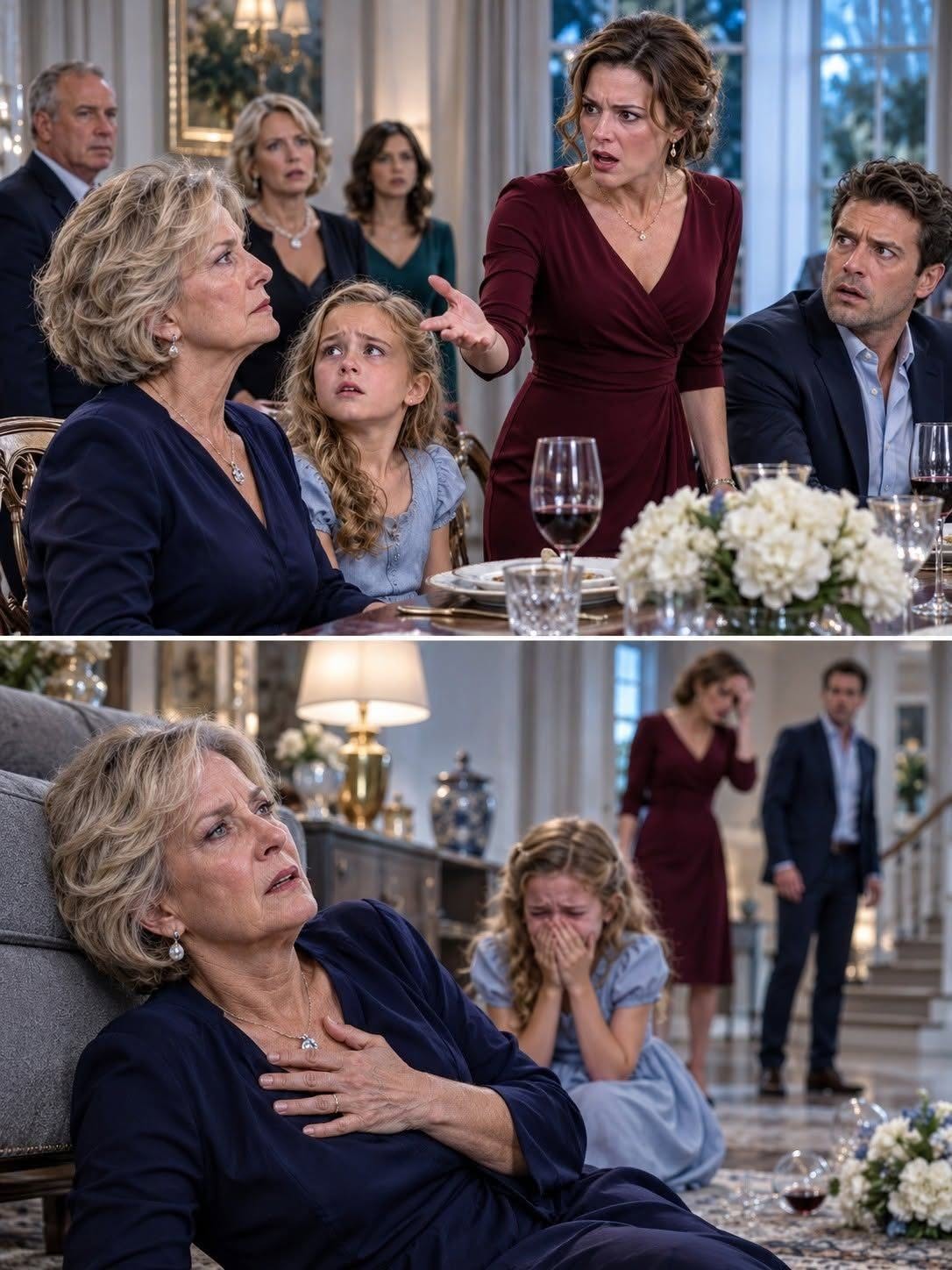
Then Natalie said something I would never forget.
“You’re sixty-five. What are you even going to do with that much money?”
I looked at her carefully.
“Live.”
The word seemed to surprise her.
“I’m going to live, Natalie. I’m going to travel. I’m going to have friends over. I’m going to buy things without worrying whether you’ll need the money tomorrow. I’m going to wake up in my own house and decide how I want to spend my day.”
Her tears stopped.
“You’re choosing money over your daughter.”
“No. I’m choosing myself over being used by my daughter.”
That evening, Natalie and Greg agreed in writing to leave voluntarily within ten days.
Walter documented the agreement.
I also made a formal report concerning the suspected forgery and unauthorized financial activity.
It was one of the hardest decisions of my life.
But being a mother did not require me to protect my adult daughter from the consequences of her own actions.
Over the following days, boxes gradually disappeared from the hallway.
Greg sold some business equipment.
Natalie found a small apartment across town.
For the first time in twenty-six months, they began solving their own problems.
But Lily became unusually quiet.
On their final evening in the house, I found her sitting beneath the old oak tree Frank had planted when Natalie was born.
She was holding a pH๏τograph of the three of us.
“Grandma, Mommy says you don’t love us anymore.”
I sat beside her.
“Your mommy is upset. But that doesn’t mean what she said is true.”
See more Stories :
“Can I still come here?”
“Of course.”
“Even if Mommy doesn’t?”
I kissed her forehead.
“Always.”
She leaned against me.
Then she whispered something that made my blood run cold.
“Mommy said if you got sick enough, we’d get to keep the house.”
I held her тιԍнтer.
I didn’t question her further.
She was seven years old.
She had already carried far more than any child should.
The next morning, Natalie and Greg left.
Their car disappeared around the corner, and my house became quiet again.
I expected to feel victorious.
Instead, I cried.
I cried for Frank.
For the daughter I remembered.
For the granddaughter whose world had been turned upside down.
And for the woman I had allowed myself to become.
Three weeks later, Walter called.
“Margaret, there’s one final document Frank left with the trust administrator.”
“What kind of document?”
“A personal letter. It contains a request concerning Natalie.”
My heart тιԍнтened.
“What request?”
“I think you should read it yourself.”
When I arrived at his office, Walter handed me a sealed envelope.
Across the front, in Frank’s handwriting, were five words.
For the day she understands.
I opened it.
And discovered that my husband had anticipated something none of us ever expected.
See more Stories :