🏔️ Mount Nemrut: The Giant Stone Heads of an Ancient Kingdom
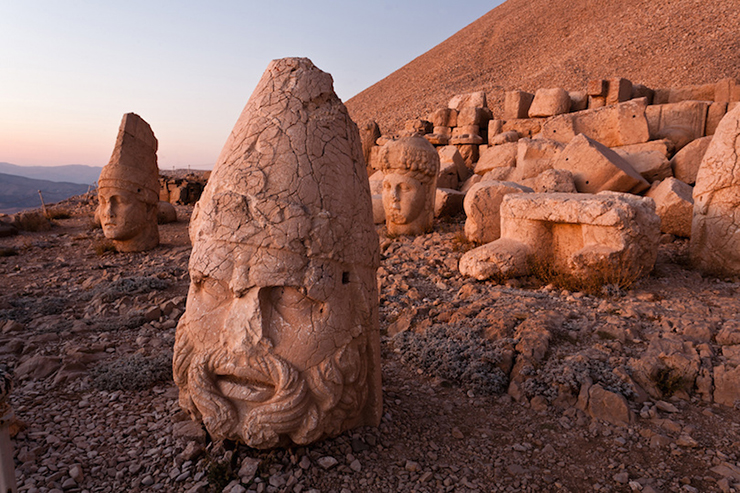
Rising 2,134 meters (7,001 feet) above southeastern Türkiye, Mount Nemrut is home to one of the ancient world’s most extraordinary archaeological sanctuaries. Built during the 1st century BC by Antiochus I of Commagene, the mountaintop complex was designed as both a royal burial monument and a sacred ceremonial site.
At the summit stand colossal limestone statues depicting gods, kings, and symbolic animals such as lions and eagles. Some of the figures originally reached heights of nearly 9 meters (30 feet), seated upon mᴀssive stone thrones overlooking the surrounding mountains.
The artwork reflects a fascinating fusion of Greek, Persian, and local Anatolian traditions, revealing the unique cultural idenтιтy of the ancient Kingdom of Commagene. Antiochus I intentionally blended these artistic and religious influences to emphasize his kingdom’s position between East and West and to strengthen his own divine royal image.
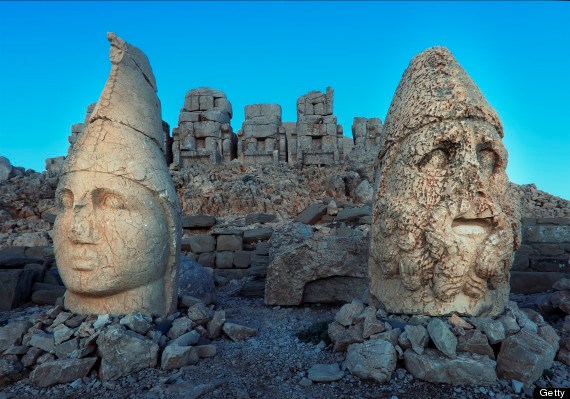
Over the centuries, earthquakes, harsh weather, and erosion caused many of the gigantic stone heads — some weighing several tons — to detach from their bodies and tumble across the summit terrace. Today, the scattered heads create one of the most haunting and visually striking archaeological landscapes in the region.
Recognizing its immense historical and cultural significance, UNESCO designated Mount Nemrut as a World Heritage Site in 1987. The site continues to captivate archaeologists and travelers alike, offering a breathtaking glimpse into the ambition, spirituality, and artistry of a forgotten ancient kingdom.