90-Minute Bombshell: Jury Acquits Reuben Gulley of Murdering Mama Tot’s Son in Drug-Deal Shooting.hl
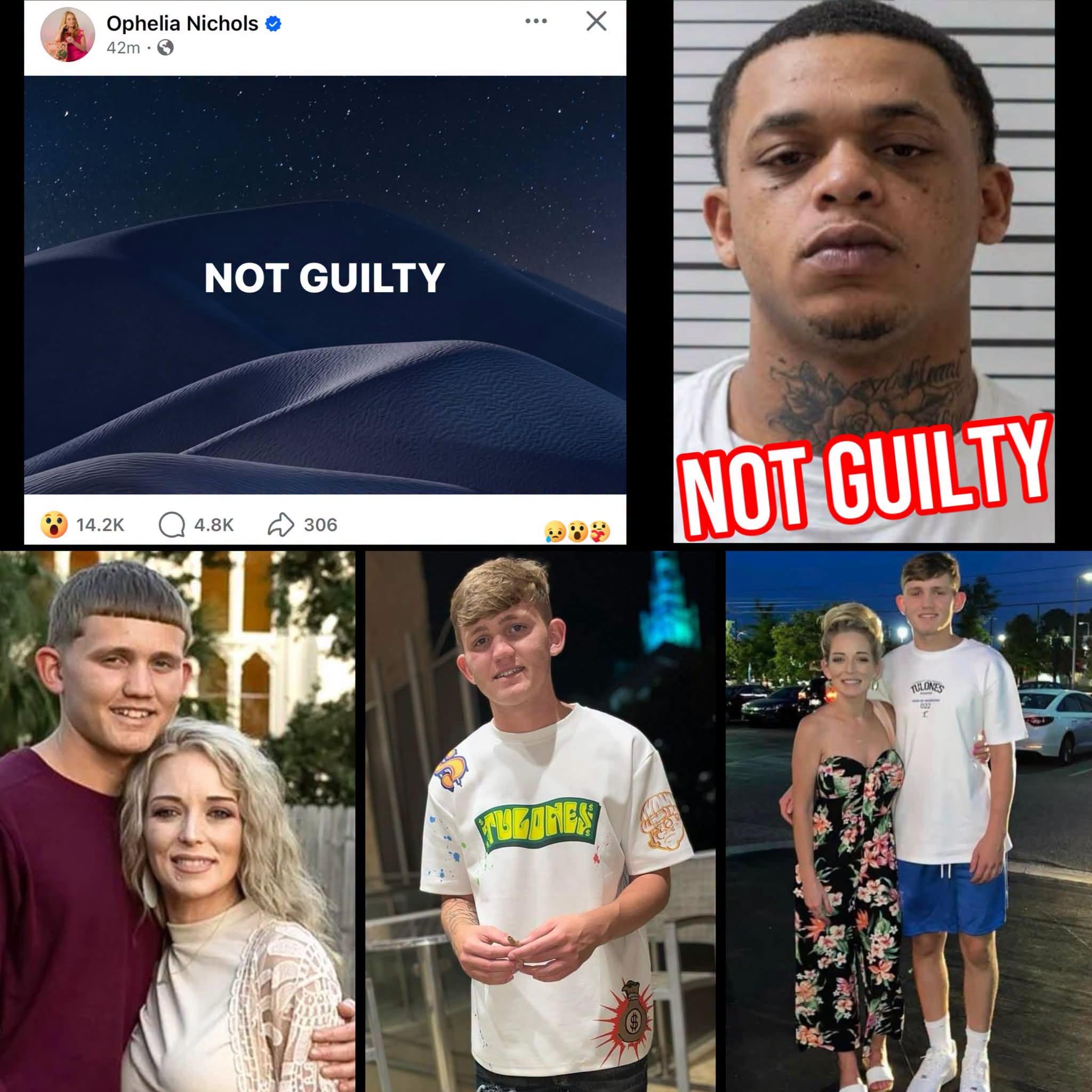
In a stunning courtroom twist that left a grieving family shattered, a Mobile County jury took just 90 minutes on November 20, 2026, to declare Reuben Thomas Gulley not guilty of murdering 18-year-old Randon Lee. The rapid verdict cleared the 25-year-old Saraland man in the June 24, 2022, fatal shooting of the son of TikTok superstar Ophelia “Mama Tot” Nichols—who commands over 12 million followers—during a marijuana deal gone ᴅᴇᴀᴅly at a Prichard, Alabama, gas station.
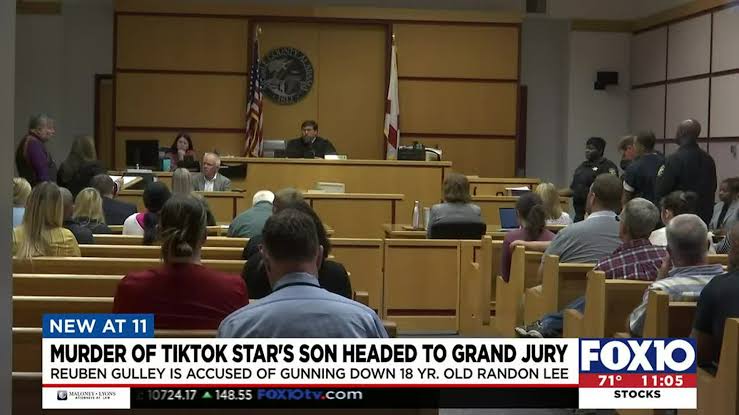
The packed courtroom erupted in contrasting emotions. On one side, relief and quiet celebration as Gulley prepared to walk free after more than four years behind bars. On the other, raw devastation. Nichols’ husband broke down in tears—only the third time she had seen him cry in 20 years of marriage—while their daughter sobbed. “As I could feel the excited energy from the other side because their son was coming home, I slowly melted into my seat. Knowing that Justice had been stripped from my son and us, I couldn’t even describe what it did to my soul,” Nichols wrote on Facebook. “No remorse for our family. Zero regards for Randon’s life. What was done to our family was downright cruel.”
The facts at the heart of the case remain contested. Lee, hours shy of his 19th birthday, arranged to sell Gulley two ounces of marijuana for $300. Security cameras at the Pride gas station on St. Stephens Road captured a hooded Gulley in a red hoodie exiting a vehicle, approaching Lee’s car parked behind a pump, then later sprinting back gun-in-hand as Lee’s vehicle pulled away. The shooting itself was not filmed. Lee drove across the street and was found ᴅᴇᴀᴅ; a single bullet had entered his left shoulder, torn through both lungs and a vessel near the aorta, and remained lodged inside—fired from inches away.
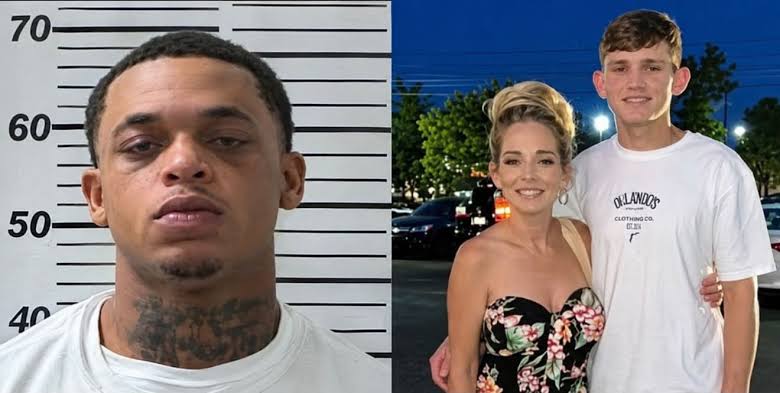
Gulley took the stand and admitted he was the man in the hoodie. He testified he climbed into the back seat, handed over 15 $20 bills, and waited—only for Lee to pull a gun and fire first. “I was just trying to make it out of there alive,” he said. He claimed he shoved Lee’s arm aside with his right hand and returned fire with his left while exiting the car. Prosecutors argued the opposite: Gulley sH๏τ Lee to dodge payment. Officers testified they found no gun in Lee’s vehicle. Yet defense attorney Chase Dearman dismantled the state’s case by highlighting a cascade of investigative failures by the Prichard Police Department.
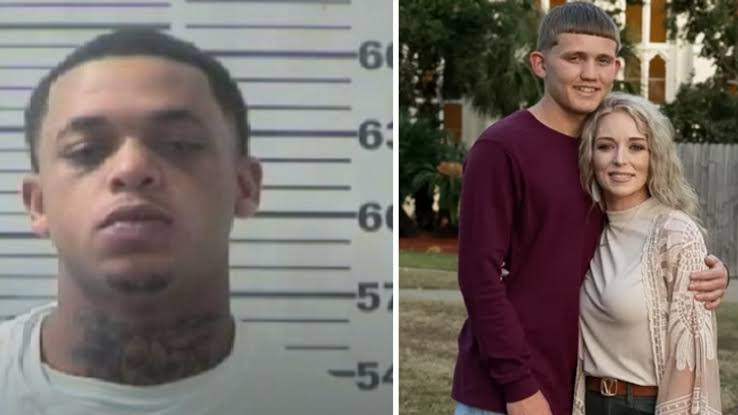
The crime scene was poorly secured. A shell casing later turned up only after the family retrieved the unsealed car from a tow yard—and it was never properly tested. A bullet hole in the windshield clashed with the single-wound autopsy; investigators could not explain how one sH๏τ accounted for both. Original lead detective Jason Hadaway, subpoenaed by the defense, admitted on the stand to a 2025 third-degree perjury conviction (now under appeal) from unrelated false testimony. Dearman called the probe “disgusting and despicable.” “There was just nothing that you could put a reliable verdict on,” he said post-verdict. “I laid awake all night thinking certainly a Mobile County jury could not find somebody guilty on this kind of evidence, and I’m very, very happy.”
Prosecutors, led by Chief ᴀssistant DA Jennifer Susman, conceded the botched investigation created “a distraction” for jurors despite “independent corroborating evidence.” “We believed in this case despite the problems,” she stated, blaming systemic issues at Prichard PD that have since prompted the Mobile County Sheriff’s Office to take over local law enforcement.
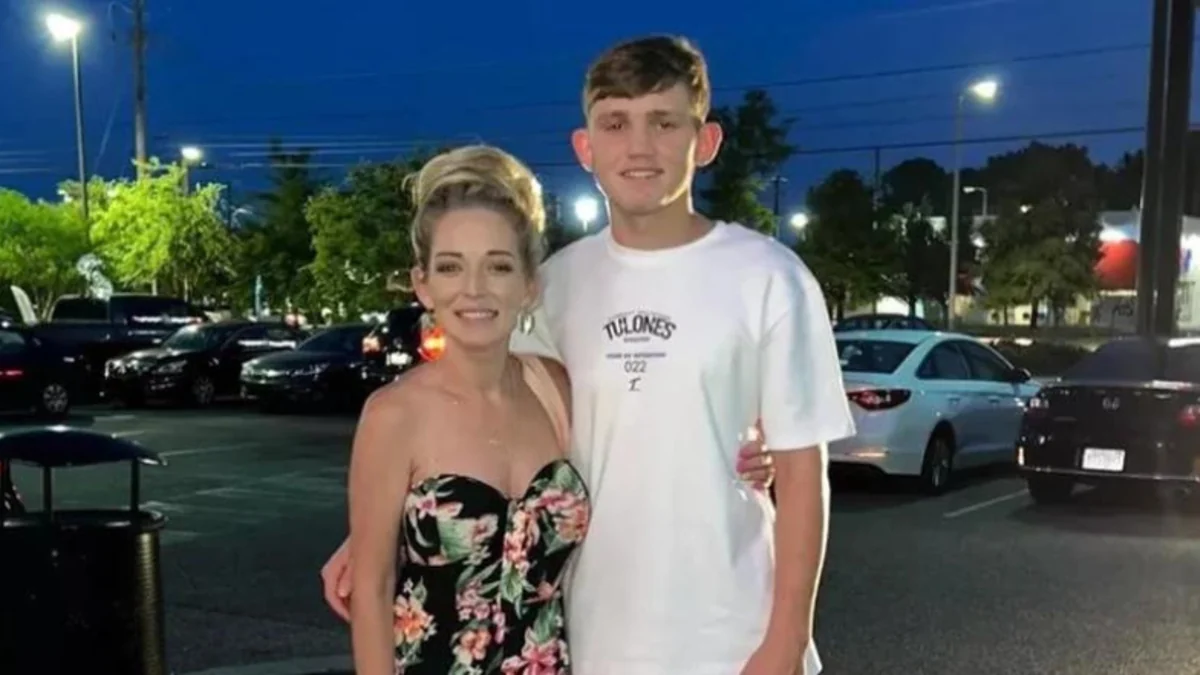
The acquittal is final under double jeopardy—Gulley cannot be retried for Lee’s death. He still faces pending drug possession charges, with bond reinstated. This case exposes a brutal truth: when police fail to lock down scenes, follow leads, or maintain credibility, reasonable doubt thrives—and justice for victims evaporates. Self-defense claims succeed not always on pure innocence but on the state’s inability to prove guilt beyond doubt amid chaos. Randon Lee’s light was extinguished in a parking lot over $300 of weed. His famous mother’s platform amplified the pain, yet the jury’s swift “not guilty” underscores how flawed probes can leave families questioning forever. In America’s justice system, the absence of evidence can speak louder than grief. Gulley walks free; Mama Tot’s family carries an eternal void. The conversation about accountability in policing and drug-deal violence must not end here.