The Little Girl Whose Skin Was Too Fragile
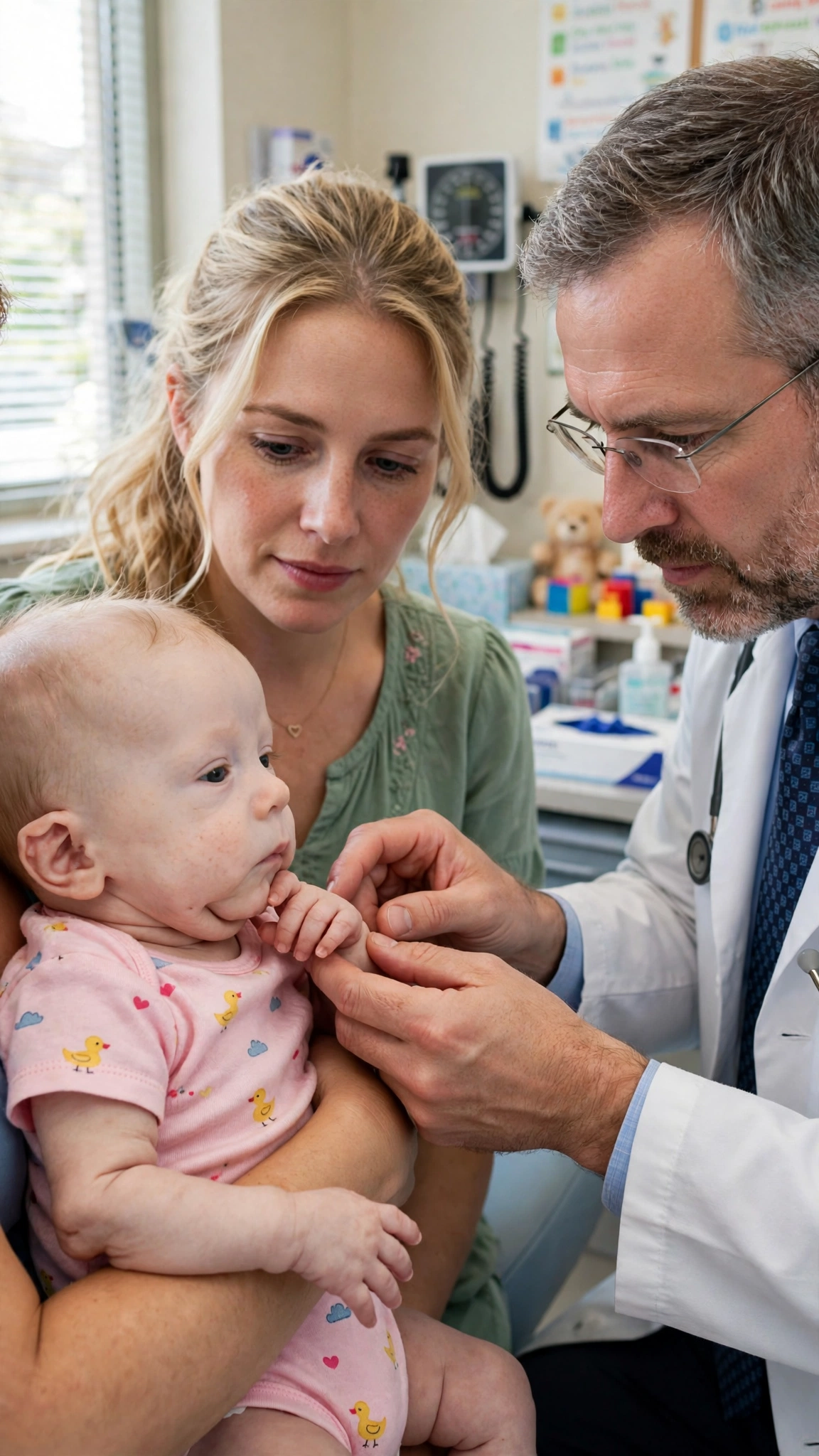
At just three years old, little Sophie was learning to live with a condition that made ordinary childhood activities far more complicated than they should be.
She was born with Epidermolysis Bullosa, a rare group of inherited disorders that cause the skin to become unusually fragile. Often called ʙuттerfly Skin Disease, the condition is known for the painful blisters and wounds that can develop when delicate skin experiences friction, pressure, or minor trauma.
For Sophie, even gentle contact could require careful consideration.
The skin normally has several layers held together by specialized proteins. In people with Epidermolysis Bullosa, changes in certain genes affect these structures, making the skin more vulnerable to separation and injury.
The severity of the condition varies depending on the EB subtype. Some children experience mostly localized blisters, while others develop widespread wounds that require extensive daily care.
Sophie’s hands and feet were particularly vulnerable. Areas of damaged skin needed protective dressings, and her family had to be careful about the clothing, footwear, and materials that came into contact with her body.
Her mother gradually developed a daily routine centered around protecting her daughter’s skin.
Bandage changes could take hours, depending on the number and condition of the wounds. Every movement had to be gentle. Dressings needed to be selected and removed carefully so they would not stick to fragile skin or cause further injury.
Even bathing required preparation and patience.
Getting Sophie dressed was another challenge. Seams, тιԍнт clothing, and rough fabrics could create friction, so her parents learned to choose soft materials and handle her body with exceptional care.
There were days when Sophie cried during wound care. Her mother would pause when possible, comfort her, and continue as gently as she could.
For a parent, seeing a young child experience repeated pain is heartbreaking. Her mother wished she could take away every wound and make the simplest activities feel effortless again.
Doctors followed Sophie’s condition closely. Wound management was essential not only to support healing but also to reduce the risk of infection.
Depending on the type of EB, children may require additional care for pain, itching, nutrition, anemia, scarring, or other complications. Some forms of the condition can also affect tissues beyond the skin, which makes ongoing specialist monitoring important.
But Sophie’s life was not only about medical care.
She still loved colorful toys and the familiar sound of bedtime stories. She enjoyed being carried in her mother’s arms and finding comfort in the warmth of her family.
Her parents called her their little ʙuттerfly, a name that reflected both the fragility of her skin and the tenderness with which they cared for her.
They knew they could not remove every challenge from her life. They could not promise that every day would be painless or that every wound would heal quickly.
But they could make sure she never faced those difficult moments without love and support.
They wanted Sophie to experience as much of childhood as possible, in ways that were safe and comfortable for her. They wanted her to laugh, play, learn, and feel included rather than defined by her condition.
Her skin might be fragile, but her personality was not limited by it.
Behind every protective dressing was a little girl who loved stories, toys, cuddles, and the people closest to her.
And behind every difficult morning was a family determined to give her the gentlest, happiest childhood they could.
Some children fight battles that the world cannot see. Sophie’s courage lived in every little smile.