Her Skin Was Fragile, But Her Childhood Deserved All the Love in the World
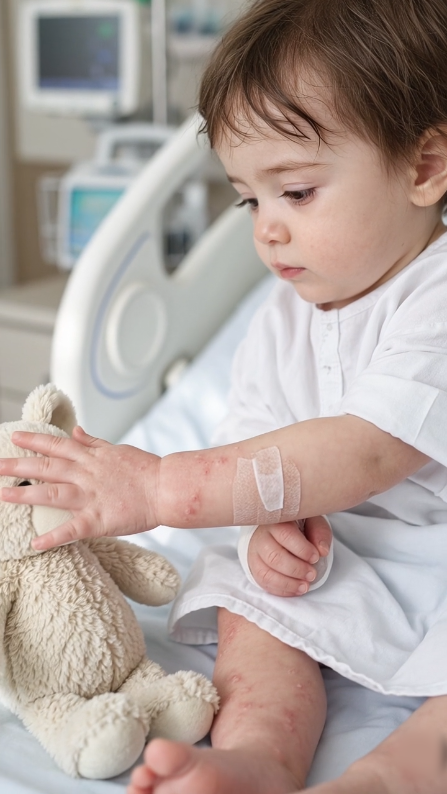
At just two years old, Sophie should have been enjoying the carefree experiences of early childhood. She should have been crawling across the floor, exploring colorful toys, playing with stuffed animals, and reaching excitedly for her parents whenever she wanted a hug.
But her childhood came with challenges that most children never have to experience.
Sophie had been born with epidermolysis bullosa, commonly known as EB, a rare group of genetic conditions that cause the skin to become unusually fragile.
For children living with this condition, even minor friction or pressure can lead to painful blisters and wounds. In some cases, the skin can be injured by everyday activities that other people barely notice.
For Sophie, ordinary childhood routines required extraordinary care.
Her parents quickly learned that dressing their daughter was not as simple as choosing a cute outfit and helping her put it on. They had to select soft, comfortable clothing and avoid materials or movements that could create unnecessary friction.
Bathing also required special attention. Every movement had to be gentle, and her parents followed careful instructions for protecting her skin and managing any wounds.
Even holding their little girl became something they had to approach differently.
Like any mother, Sophie’s mother wanted to pick her up whenever she became upset. She wanted to wrap her arms around her daughter, kiss her cheeks, and comfort her with a warm embrace.
Her father wanted to carry her around the house, lift her into the air, and make her laugh.
But they could not always express their affection through physical contact as freely as they wished.
They had to be mindful of her delicate skin and avoid unnecessary pressure or rubbing.
Learning how to comfort Sophie without causing additional injury was emotionally difficult for both parents.
Yet love always found another way.
Her mother often sat beside Sophie’s bed, speaking softly and offering her hand. Rather than picking her up, she allowed Sophie to reach toward her fingers whenever she wanted to feel close.
Her father spent time beside her, bringing her favorite toys and reading little stories before bedtime.
They learned to recognize her expressions, understand her needs, and create moments of happiness within the limitations of her condition.
One afternoon, Sophie was resting quietly in her bedroom.
Beside her bed was a small stuffed rabbit that she particularly loved. Its soft appearance and familiar presence had become a comforting part of her daily routine.
Sophie looked toward the toy for a moment.
Then she turned to her mother and softly whispered:
“Mommy, Bunny.”
Her mother immediately understood what she wanted.
She carefully reached for the stuffed rabbit and brought it closer, making sure that it would not accidentally rub against Sophie’s delicate skin.
As soon as Sophie saw her favorite companion, her face brightened.
She smiled.
It was an ordinary little interaction, the kind of moment many parents experience without giving it a second thought.
But for Sophie’s mother, it meant everything.
In that moment, she was reminded that her daughter was still just a little girl with the same simple wishes as other children.
Sophie wanted her favorite toys. She wanted bedtime stories, familiar songs, gentle companionship, and the reᴀssurance that someone would always be there when she needed comfort.
She wanted to laugh, explore, and enjoy the little experiences that make childhood beautiful.
Her diagnosis did not erase those desires.
There were still difficult days when her skin needed additional care and her family had to manage the physical challenges of her condition. Her parents knew that epidermolysis bullosa could require ongoing medical attention and careful daily management.
But they also understood that Sophie needed more than medical treatment.
She needed opportunities to play, learn, experience happiness, and build beautiful memories.
So they continued creating a loving environment around her, filling her days with familiar voices, favorite toys, comforting routines, and as many joyful experiences as possible.
They could not remove every challenge from her life, but they could make sure she never felt defined by those challenges.
Sophie was not simply a child with a rare genetic condition.
She was a daughter, a little girl with a favorite stuffed rabbit, a curious mind, and a childhood worth protecting.
Her skin was fragile, but her dreams and happiness deserved the same attention, tenderness, and respect as those of any other child.
And sometimes, the most meaningful reminder of that truth comes from a simple request:
“Mommy, Bunny.”
Because every child deserves to feel loved, safe, and cherished, no matter what challenges they face.