JonBenét Ramsey’s Father Is Still Searching for One Answer After Nearly 30 Years — And the Latest DNA Debate Raises New Questions
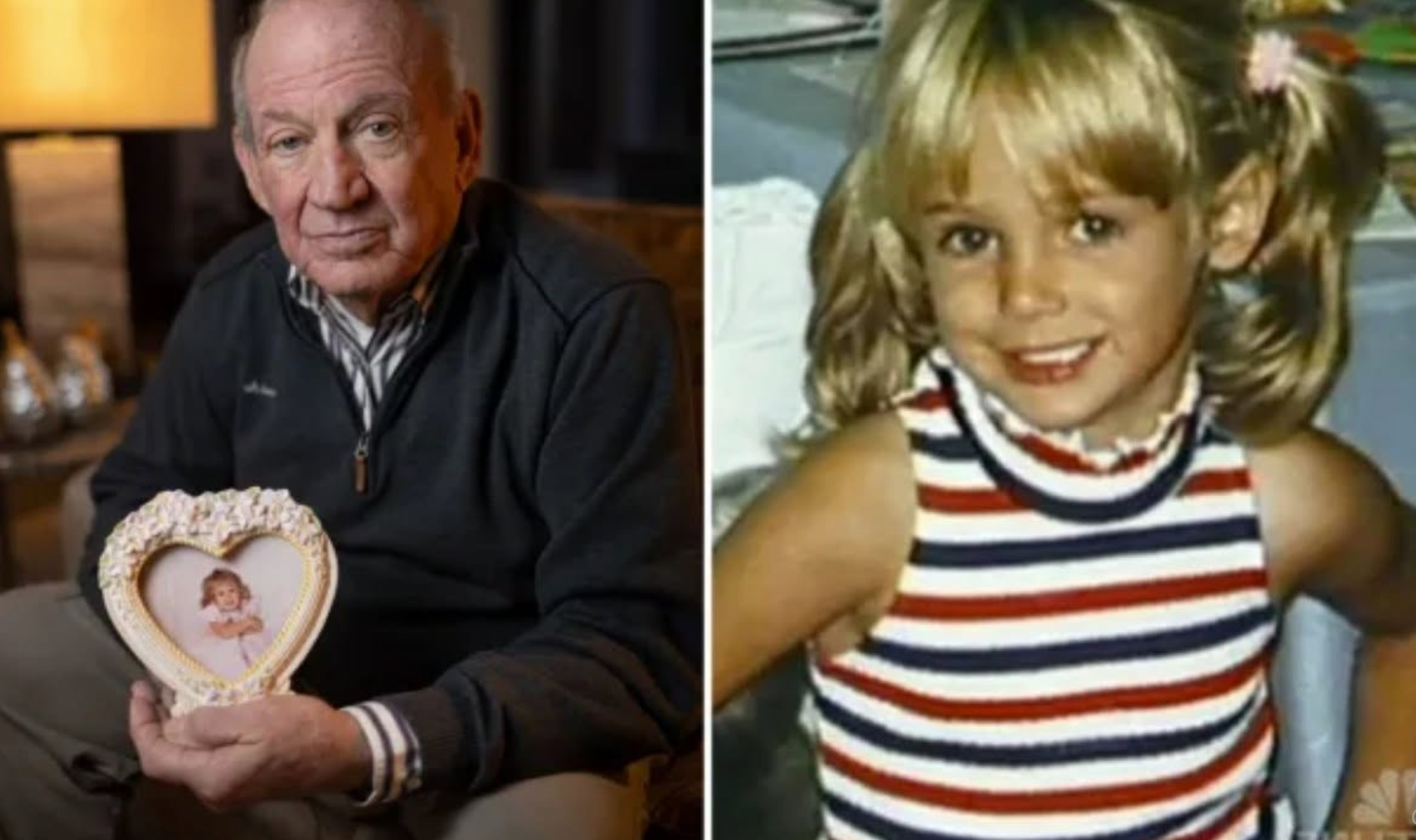
Nearly three decades after his six-year-old daughter was murdered, John Ramsey continues to pursue a goal that has defined much of his public life since December 1996: finding out who killed JonBenét Ramsey. As the investigation remains active, his calls for advanced DNA testing have drawn renewed attention to evidence that may still offer investigative opportunities. The latest publicly documented developments include additional interviews, the collection of new evidence and renewed examination of existing material. Yet the case has not reached the conclusion the family has sought for so long. The central question remains whether modern forensic science, combined with persistent detective work, can produce a reliable lead that finally changes the course of the investigation.

A Father’s Continuing Fight for Answers
John Ramsey has repeatedly spoken about the personal consequences of an unresolved homicide. The murder of a child leaves a family with questions that can persist long after the immediate investigation has ended, and the absence of a publicly established perpetrator means that the case continues to occupy a place in the family’s life.
In an October 2025 report, CBS Colorado described Ramsey’s continuing contact with Boulder police and his encouragement after learning that evidence had been sent to the Colorado Bureau of Investigation for additional testing. He said he hoped modern forensic methods, particularly genetic genealogy, could help investigators identify the person responsible.
His position reflects a longstanding argument: evidence collected decades ago should be evaluated in light of scientific capabilities that may not have existed when the crime occurred. But the practical challenge is determining which methods can actually produce dependable information from the material that remains available.
The desire for answers is understandable. Nevertheless, a family’s hope that a particular investigative approach will succeed is different from confirmation that the approach has produced a match. No publicly confirmed genetic-genealogy identification has established JonBenét’s killer.

Why the Choice of DNA Testing Matters
DNA analysis is often discussed as though a single test can turn an unidentified sample into an identifiable person. In reality, forensic testing involves several stages, and each has limitations.
A laboratory must first determine whether the material is suitable for the proposed analysis. The sample may contain DNA from multiple people, may have deteriorated over time or may contain too little useful biological material. Analysts then need to determine whether they can develop a profile sufficiently informative for comparison or further interpretation.
Genetic genealogy adds another layer of work. When a suitable profile is available, investigators may be able to identify potential genetic relatives through appropriate genealogy resources and construct family trees to narrow the possibilities. Any promising lead must then be evaluated through traditional investigative methods and corroborating evidence.
This is why specialists have urged caution about claims that a particular technique can solve the Ramsey case quickly. CBS Colorado reported in October 2025 that DNA expert Mitch Morrissey had raised concerns about the limitations of analyzing certain mixed samples. His comments underscored the importance of choosing a method that matches the evidence rather than ᴀssuming that the newest technology will necessarily produce an answer.
John Ramsey has also argued for greater use of outside forensic expertise. Whether additional testing can establish a meaningful connection to a perpetrator remains a question for investigators and qualified specialists.

The December 2025 Update Offered Progress Without a Public Breakthrough
Boulder Police Chief Stephen Redfearn’s December 2025 update confirmed that investigators had conducted new interviews, revisited individuals in response to tips, collected additional evidence and tested or retested existing items. He emphasized that forensic technology, particularly DNA testing, continues to evolve.
The department did not disclose the idenтιтies of the individuals interviewed, the evidence examined or the results of the testing. Those details remain restricted because the homicide investigation is ongoing.
For the Ramsey family, continuing investigative work may provide reason to hope that a new lead can emerge. For the public, however, the announcement should be interpreted carefully. Additional interviews and laboratory examinations are meaningful investigative activities, but they do not automatically indicate that police are close to an arrest.
A new interview may clarify an earlier statement. A fresh examination may reveal useful information or produce an inconclusive result. Investigators must ᴀssess the findings before deciding whether they change the direction of a case.
The department has also documented cooperation with federal, state and local agencies and forensic experts. That collaboration matters because complex cold cases can benefit from independent perspectives and advances in scientific practice.
The Laboratory Controversy Has Added Another Layer to the Debate
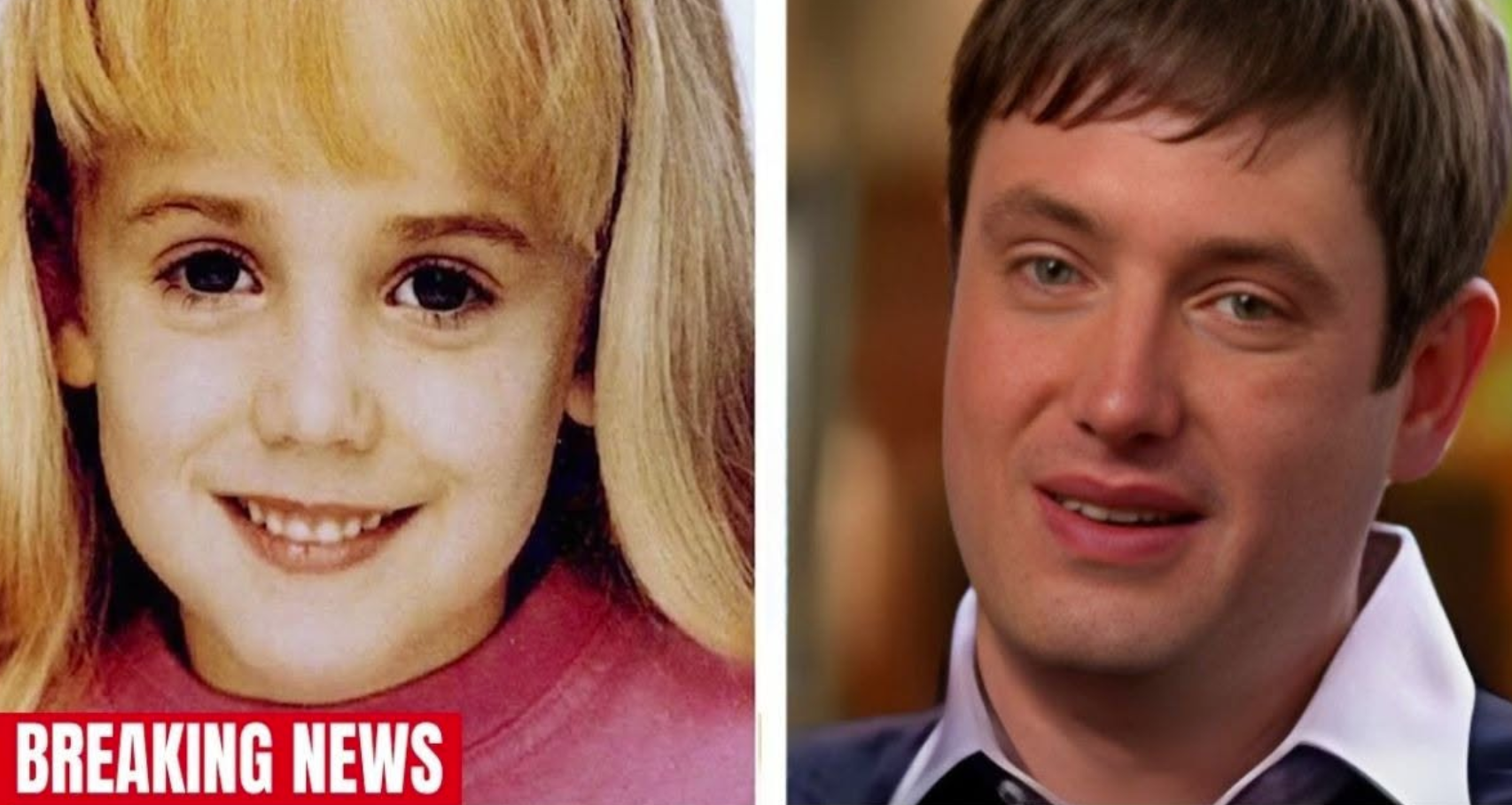
In July 2026, Fox News Digital reported that John Ramsey’s push for advanced testing had gained renewed attention following the guilty plea of former Colorado Bureau of Investigation analyst Yvonne “Missy” Woods in a separate forensic misconduct case.
Authorities addressed the possible connection directly. According to the report, Boulder police said a review by the Colorado Bureau of Investigation found that Woods’ actions had no effect on the Ramsey investigation. The Boulder County District Attorney’s Office similarly stated that the misconduct would not affect the evidence in the case.
Those statements are important because they distinguish a broader controversy over laboratory integrity from the specific question of whether evidence in the Ramsey homicide was affected. The scandal has prompted renewed discussion of independent testing and forensic oversight, but it does not establish that the Ramsey evidence was compromised.
The case therefore faces two separate questions: whether the available evidence can yield additional information through modern analysis, and whether that information can be connected reliably to the person responsible. Neither question can be answered simply by pointing to a laboratory controversy elsewhere.
What Would Finally Move the Investigation Forward?
A decisive development could involve a reliable forensic finding, a corroborated investigative lead or a combination of evidence that allows authorities to establish a clear account of the crime. But the exact nature of the evidence still needed has not been publicly established, and it would be premature to predict which route will prove successful.
The pᴀssage of time makes the challenge more complicated. Witness memories may become less precise, records may require careful reconstruction and the original physical evidence must be evaluated according to its present condition. At the same time, preserved material can sometimes yield information that earlier techniques could not reliably recover.
Investigators must also avoid allowing public pressure to dictate scientific conclusions. The strongest outcome would be one supported by reliable procedures, documented findings and corroboration—not simply an answer that attracts immediate attention.
Boulder police continue to encourage anyone with relevant information to contact detectives. A person who has never previously come forward may possess a detail that helps investigators reᴀssess an existing lead, although the usefulness of any new information must be established through verification.
The Question That Still Defines the Case
John Ramsey’s continuing advocacy reflects a hope that modern science may provide an opportunity that was unavailable in the early years of the investigation. The latest updates demonstrate that investigators have not publicly declared the case closed and that evidence remains under consideration.
But nearly 30 years after JonBenét’s death, the most important fact remains unchanged: the person responsible has not been publicly identified through a definitive resolution of the homicide.
For her family, every new interview or forensic examination carries the possibility of progress. For investigators, each must be judged by what it actually establishes. And for the public, the challenge is to follow the developments without confusing renewed attention with proof of a breakthrough.
Could the next generation of DNA technology finally reveal a lead hidden in evidence collected in 1996? It remains possible, but no publicly confirmed finding has yet demonstrated that outcome. Until investigators establish otherwise, the search for JonBenét Ramsey’s killer continues, and the answer her family has awaited remains unresolved.