Aileen Wuornos Aimed the Gun at the Lens. The Eyes Underneath Still Belonged to the Actress.
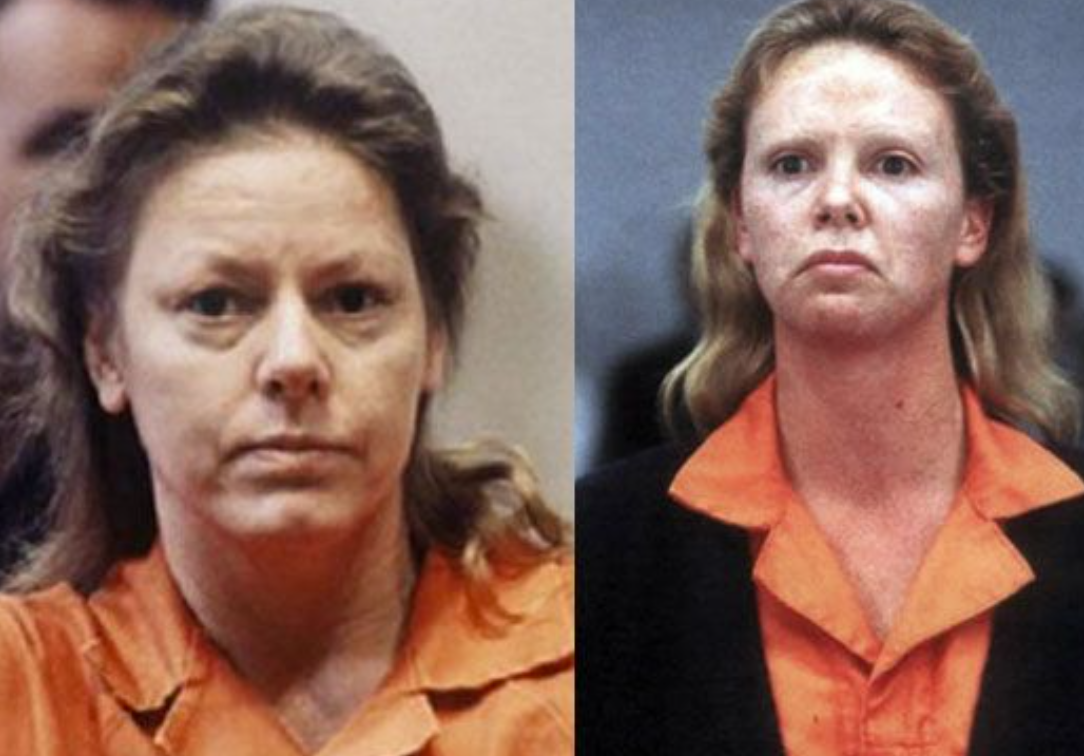
Morag Peacock did not arrive at Aileen Wuornos as an artificial-intelligence specialist. She has said she is either too much of a boomer or simply not up with the trends, and she had no prior AI work when she was cast in Unmasking a Monster: Aileen Wuornos for Investigation Discovery and HBO Max. What she had was a face shape close enough for the mask, and a brief to match the woman rather than invent her. She researched the upbringing and the crimes, surrounded herself with documentaries and factual footage, and later called that material a horrible catalogue. Between 1989 and 1990 Wuornos, a hitchhiking Sєx worker whose childhood was marked by poverty, abuse, and neglect, killed seven men along Florida highways. She was convicted of murdering six, sentenced to death, and executed by lethal injection at Florida State Prison in 2002. Peacock’s work was the mannerisms, the quirks, and especially the eyes. The technology came after.
The scene she has called the hardest was Wuornos’ execution. Recreating the lethal injection, and filming the final words, was, in her account to The U.S. Sun, quite tough and intense. On set she wore makeup and prosthetics, including a prosthetic tooth, after roughly ninety minutes of preparation, knowing a digital layer would replace much of what the camera recorded. When she watched the finished face she was impressed and unsettled together. She could recognize herself behind and underneath it. Her honest response, she said, was that she was looking at herself looking a lot like Aileen. Her family recognized her too. In other interviews she has pointed to her own eyes, the brown beady eyes that survived the composite, as the part that still belonged to her. She has also said some viewers will hate the result and others will not mind, and that what mattered was that it sat inside her own boundaries.
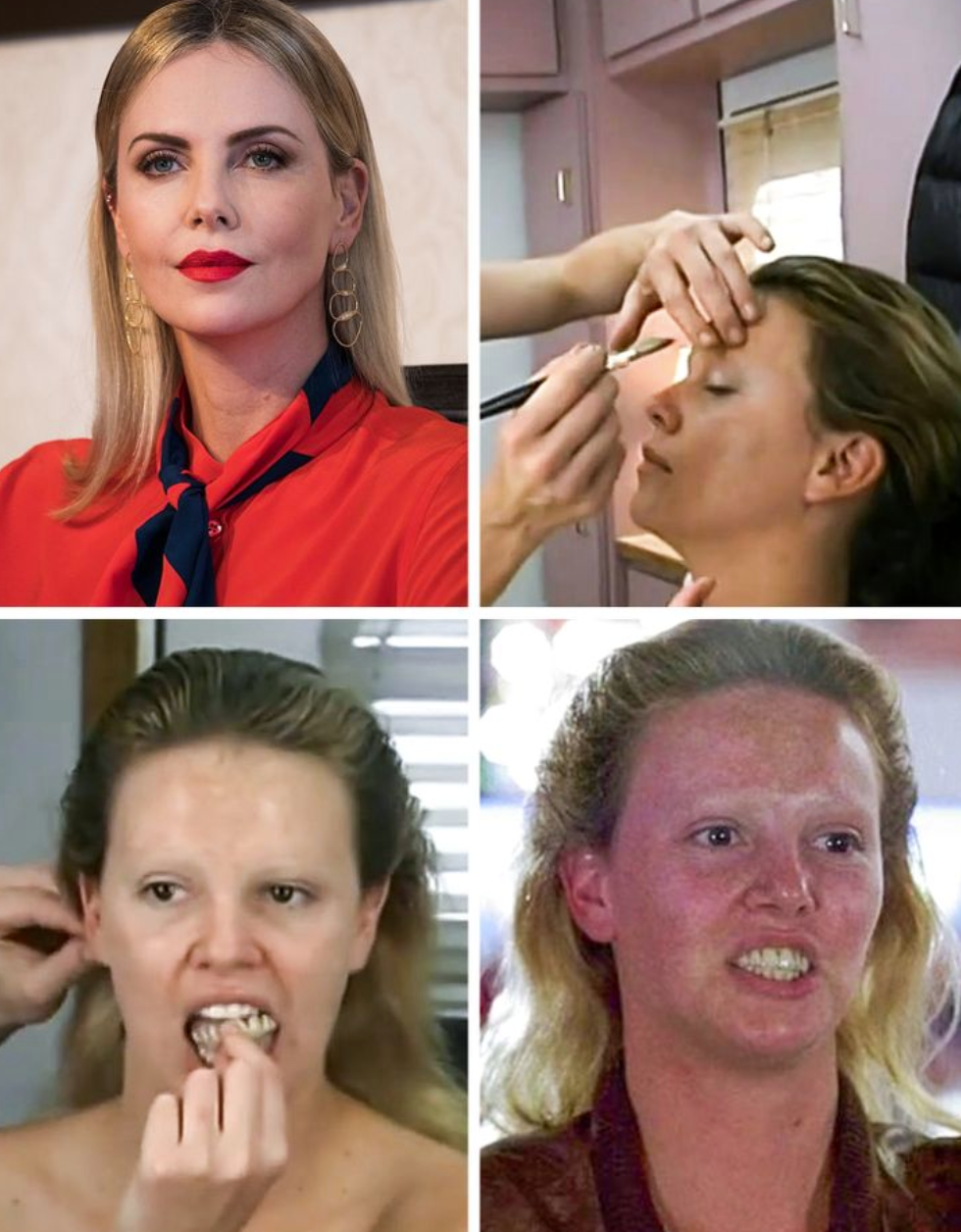
Those boundaries were set before she agreed. Peacock has said that, like most people, she paused as soon as she saw the letters AI, and that she and her agent needed to know exactly what was being asked and what the end result would be. Her conclusion was that she was not redundant, had not been cloned, and that no separate AI persona of Aileen Wuornos was being created. Once she could place the process next to CGI, and accept that the performance was still hers, she was comfortable. She has not dropped a wider caution.
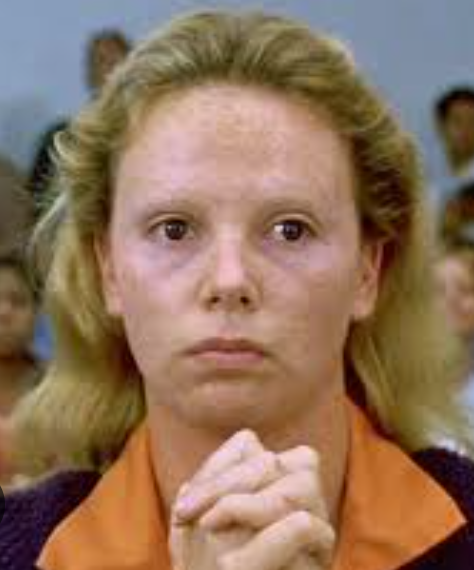
She told The Sun she would still be very wary of AI used to take over from human performance. What this series showed her is a narrower use: a layer that can change the effect of a human performance, closer to a costume added at the end than to a replacement. The voice in the reenactments starts as Peacock’s, delivered in an American accent, then adjusted by a model trained on archival recordings of Wuornos. The face moves because she moved. The woman the audience is asked to recognize is Aileen.