The Father Who Put the Call on Speaker Is the Reason Police Found Him the Next Day
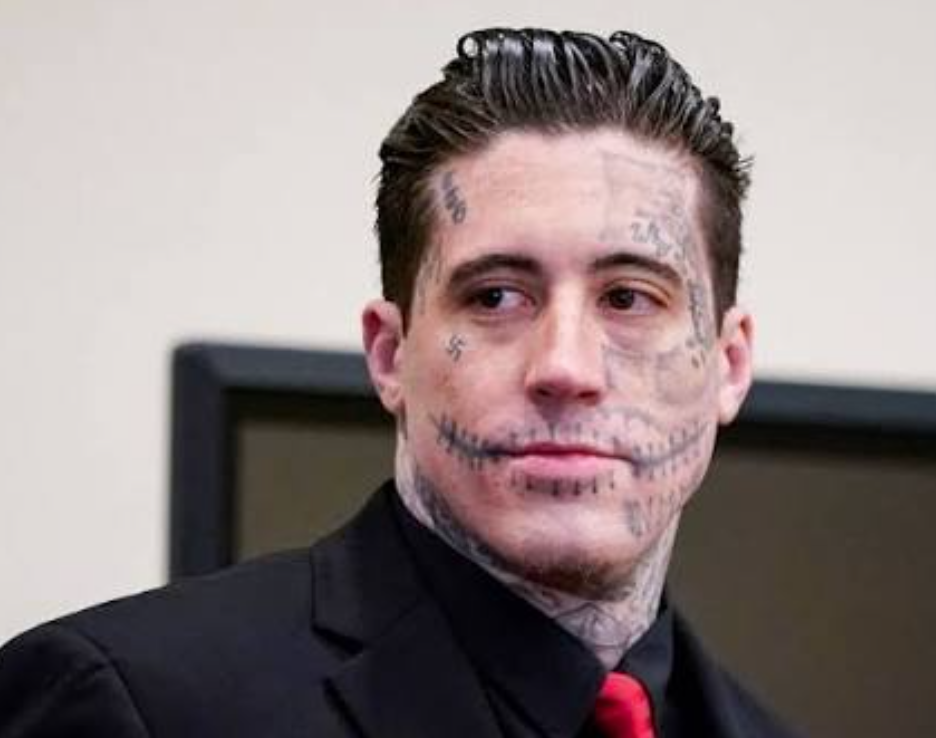
The case that made Wade Wilson a national tabloid figure began as a confession to the man who had given him up for adoption. Steven Testasecca, living in Lakeland, had reconnected with Wilson when Wilson was about 18. Contact after that was sporadic. On the day of the killings, Wilson called him more than once. According to trial testimony, he said he was a killer, said two people were gone and would not be back, and described the crimes in a way Testasecca later called excited. Testasecca first thought his son was exaggerating. As the details hardened, he put later calls on speaker so his wife could relay them to law enforcement, asked Wilson where he was, and offered to send an Uber. Officers arrested Wilson on October 8, 2019.

The sequence prosecutors put before the Lee County jury started the night before. Wilson met Kristine Melton, a 35-year-old waitress, at Buddha LIVE on McGregor Boulevard in Fort Myers. He went home with her. After a friend left, prosecutors said, he strangled her while she slept, took her car, and left. He then went to the workplace of a girlfriend, identified in court records as Melissa or Mila Montanez, and attacked her when she refused to get in the car. She got away and called police. Wilson next stopped Diane Ruiz, a 43-year-old bartender and mother of two, on a Cape Coral street, under the pretense of asking directions. Once she was in Melton’s car, he beat and strangled her, drove to an empty lot, pushed her out, and ran her over repeatedly.

Trial testimony put the number between ten and twenty times. Testasecca told jurors that Wilson said Ruiz was still breathing before he ran her over, and that Wilson wanted to make her “look like spaghetti.” Ruiz’s body was found days later in advanced decomposition after vultures were seen circling. Prosecutors described both killings as the selection, isolation, torture, and strangling of the victims, and called them heinous, atrocious, and cruel. Judge Thompson later found the Ruiz murder cold, calculated, and premeditated, and found that aggravation, including Wilson’s probation status and the contemporaneous murders, greatly outweighed mitigation.

The trial itself was short on the guilt question. It opened June 10, 2024, before Judge Thompson, with ᴀssistant State Attorneys Andreas Gardiner and Sara Miller prosecuting under State Attorney Amira D. Fox. On June 12 the jury convicted Wilson of both first-degree murders, grand theft of Melton’s car, battery on Montanez, burglary of a dwelling belonging to Fannie Amlin, and first-degree peтιт theft. Testasecca’s account of the calls, and his statement that his son showed no remorse, was central. Wilson was formally sentenced to death on August 27, 2024, with a concurrent 21-year term on the non-capital counts. Two days later he was back in court on separate jail cases. At sentencing, Diane Ruiz’s father, Felix Ruiz, told the court he had not been able to say he loved her, that he missed her, and that he would be present when the defendant took his last breath. That promise is still unmet. No death warrant has been signed.