Silence Where Three Boys Used to Be: Laura Doerman’s Life After the Afternoon That Took Everything
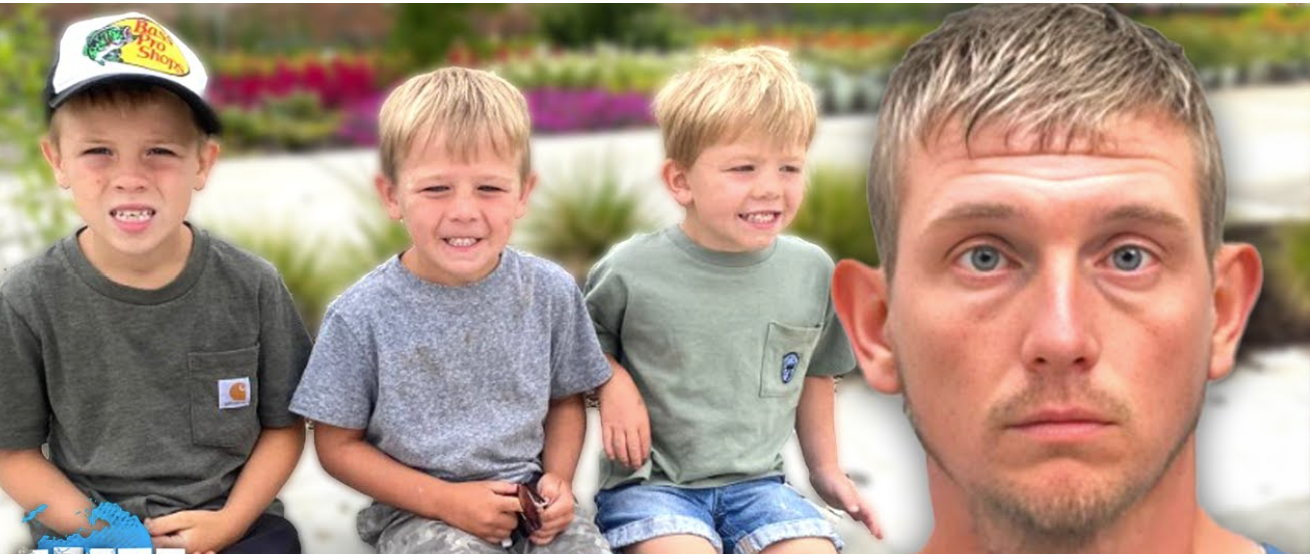
The criminal file is named for the father. The rest of the life belongs to the people who lived. Laura Doerman lost three sons in a single afternoon and was wounded trying to stop it. Her daughter Alexis, then fourteen, ran from the house and became the voice that told the outside world her father was killing everyone. In court in August 2024, their statements were read while Chad Doerman sat through the plea that would keep him in prison until he dies. Laura did not describe justice as comfort. She described a house that had gone quiet. “Where there used to be so much laughter, happiness, noise of rowdy little boys, there is now silence and emptiness,” she said.

She wrote that she would do anything to push them on a swing again, to cover them up one more time, to hear the small ways they said I love you. She said her life had been ripped away and destroyed, that she had lost her husband and her children to the same crime, and that no sentence could equal the daily torture of waking into a world those boys no longer occupy. She admitted anger, frustration, and the private interrogation every surviving parent knows: whether she could have done more. Grief, she said, would never go away because it is “all the love that is left with no place to go.” She paraphrased a country song about happy tears at the end of the road and added that until then she would live her days with nothing but sadness. Alexis’s words were different and, in some ways, harder. She said he had given her an amazing life and that she would be grateful for the memories.
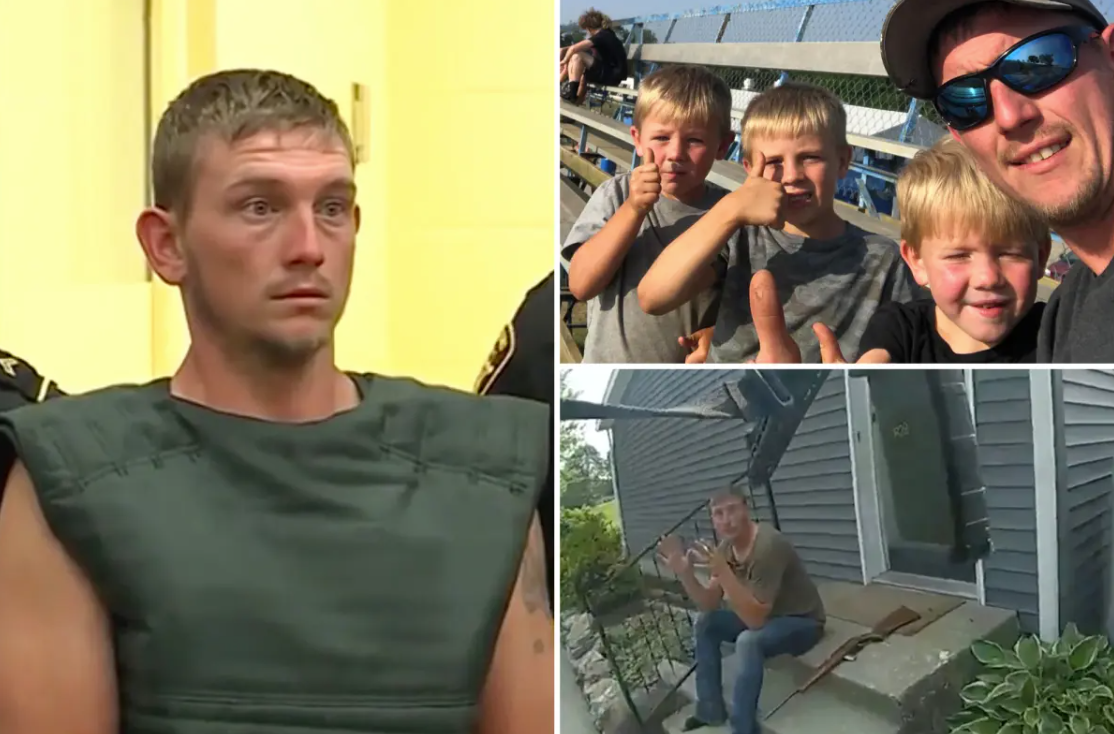
She said she did not think she would ever be able to hate him. She said she would hold the happy times with him and the boys because those were the best times. That is the peculiar cruelty of family murder: the killer is not a stranger who can be filed away as a monster from elsewhere. He is the man who coached third base and ran the boys outside and then became the reason the backyard went still. Laura agreed to the plea that removed the death penalty. She said no punishment would bring the boys back, and that a guarantee he would die in prison was what was best for her family. She asked for privacy and for a public memory that was not only the last hour. Remember them, she said, as the three little boys who loved fishing, go-carting, and swimming, the boys always at the baseball fields, inseparable from one another. Their lives, she insisted, were not only what happened to them. That request is the part of the story that does not trend as easily as the confession tape. It is also the part that lasts. Clayton was seven. Hunter was four.
Chase was three. Their mother still has to get up. Their sister still has to carry a childhood that split in half in the living room and the yard. The state can count consecutive life terms. It cannot restore the sound of three brothers in one house. That is the sentence Laura is actually serving, and it does not have a parole board.