A DNA RESULT, A CLOSED FILE AND TWO LATER MURDERS: THE INVESTIGATION NOW UNDER THE MICROSCOPE
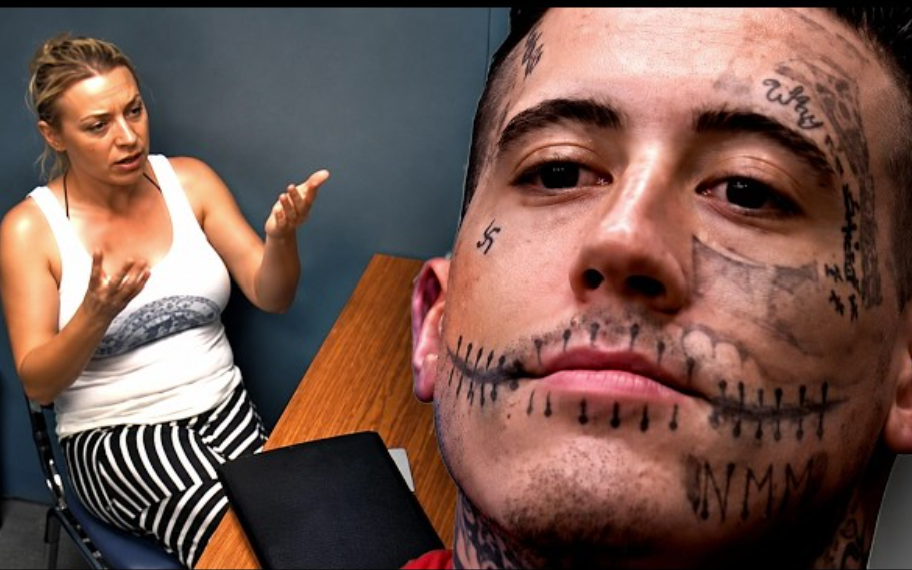
A police file that once appeared to be finished has become one of the most closely examined chapters in the story of Wade Wilson, the Florida man convicted of killing two women in 2019. The renewed scrutiny comes after Netflix’s “Worst Ex Ever” revisited the allegations made against Wilson months before the murders and highlighted the Palm Beach County detective who investigated them. In February 2019, Wilson’s former girlfriend Kelly Matthews reported a violent encounter to authorities. According to her account, she had been beaten, threatened and Sєxually ᴀssaulted. She sought medical treatment and contacted law enforcement. Detective Louis Potter handled the investigation. Records and later reporting show that investigators obtained Wilson’s DNA during the inquiry. But the case was closed approximately 34 days later, before laboratory results were available. That sequence has become the most frequently discussed detail in the renewed controversy.
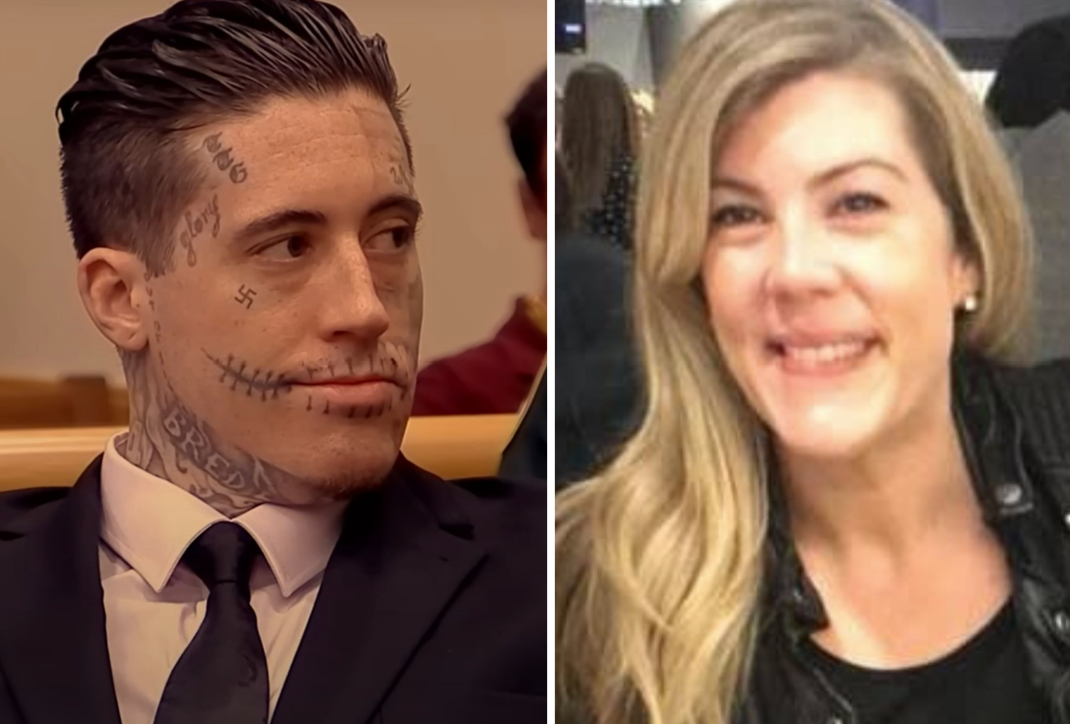
According to the Palm Beach County internal investigation, when the DNA results later came back, they indicated that Wilson’s DNA was present at the relevant location, but Potter did not reopen or continue the investigation. The internal review also concluded that he had not adequately pursued the dating-violence allegations. The findings did not erase the legal question that existed at the time the original decision was made: whether prosecutors and police had enough evidence to establish probable cause for an arrest. Potter’s original report said he believed there were no witnesses and insufficient evidence and noted that Wilson denied the allegations. But the later internal investigation reached a different ᴀssessment of the available evidence, including Matthews’ injuries and physical evidence ᴀssociated with the alleged incident. The difference between those ᴀssessments has become one of the defining features of the story. The documentary also places viewers inside interviews that occurred during the investigation, including Potter’s questioning of Wilson. That footage has drawn renewed attention because viewers can compare the detective’s approach with the findings that emerged years later.
Yet the documentary’s dramatic presentation exists alongside a much more complicated legal record. Wilson was not arrested in Palm Beach County in connection with Matthews’ allegations. He remained free. On Oct. 7, 2019, he encountered 35-year-old Kristine Melton in Fort Myers and later killed her, according to the evidence presented at his trial. He then encountered 43-year-old Diane Ruiz in Cape Coral and killed her as well. Wilson was arrested the following day. In 2024, a jury convicted him on multiple counts, including the murders of Melton and Ruiz, and he received two death sentences. His attorneys challenged his death sentences before the Florida Supreme Court.
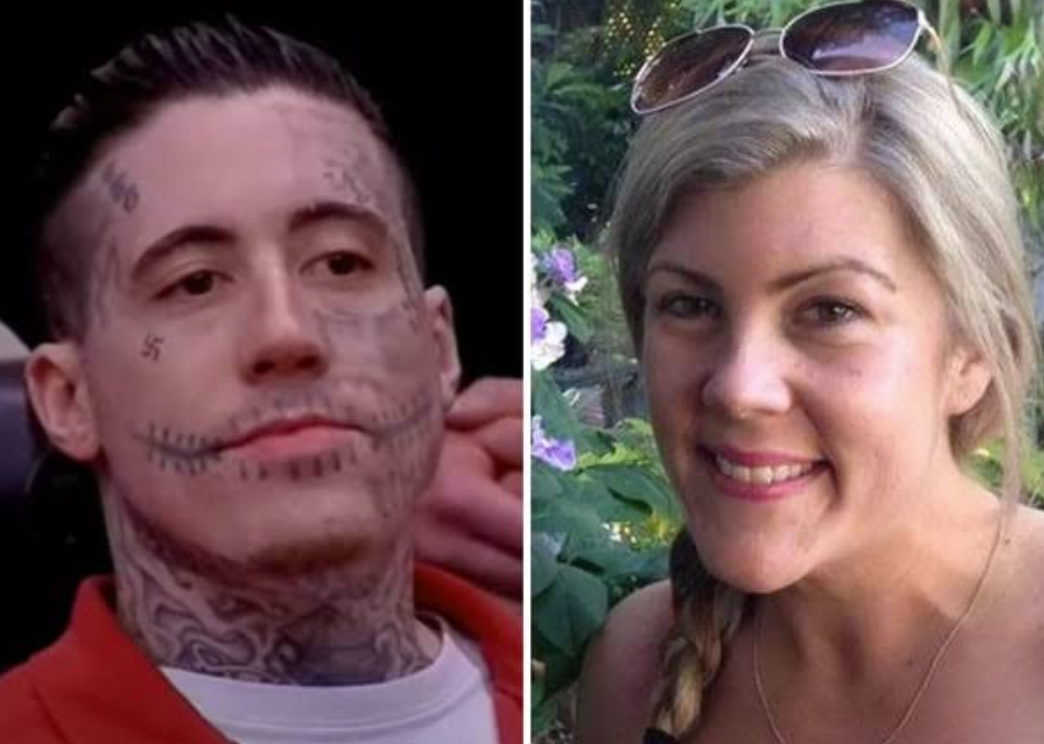
The renewed national attention has also placed Matthews at the center of the story once again. Her original report, the physical evidence collected at the time, the DNA testing and the decision to close the case are now being examined by audiences who already know how the story ended. That creates a powerful but complicated narrative: evidence that seemed inconclusive to investigators in early 2019 is being viewed through the knowledge of two murders that happened months later. The question now dominating public discussion is not simply what happened to the case, but how criminal investigations should respond when allegations are serious, evidence is still developing and the consequences of a decision may not become visible until much later.
Source: https://www.palmbeachpost.com/story/news/crime/2026/08/12/netflix-show-details-ᴅᴇᴀᴅpool-killer-failures-in-palm-beach-county/91147812007/