Sixteen Children Left One Room. An Eighteen-Year-Old Still Has to Learn Her Name

The youngest child removed from the Hamden house was about eighteen to twenty months old. The oldest was eighteen. That span is the hidden engine of the case, because the law does not treat a toddler, a nonverbal elementary-age child, and a developmentally disabled adult-aged sibling as the same kind of emergency. Officials said many of the children had never been to school. Some could not speak. The eighteen-year-old could not write her name. Those facts, repeated at the first news conferences, turned a mᴀss removal into sixteen separate rehabilitation plans. Hospital staff treated acute medical needs first.
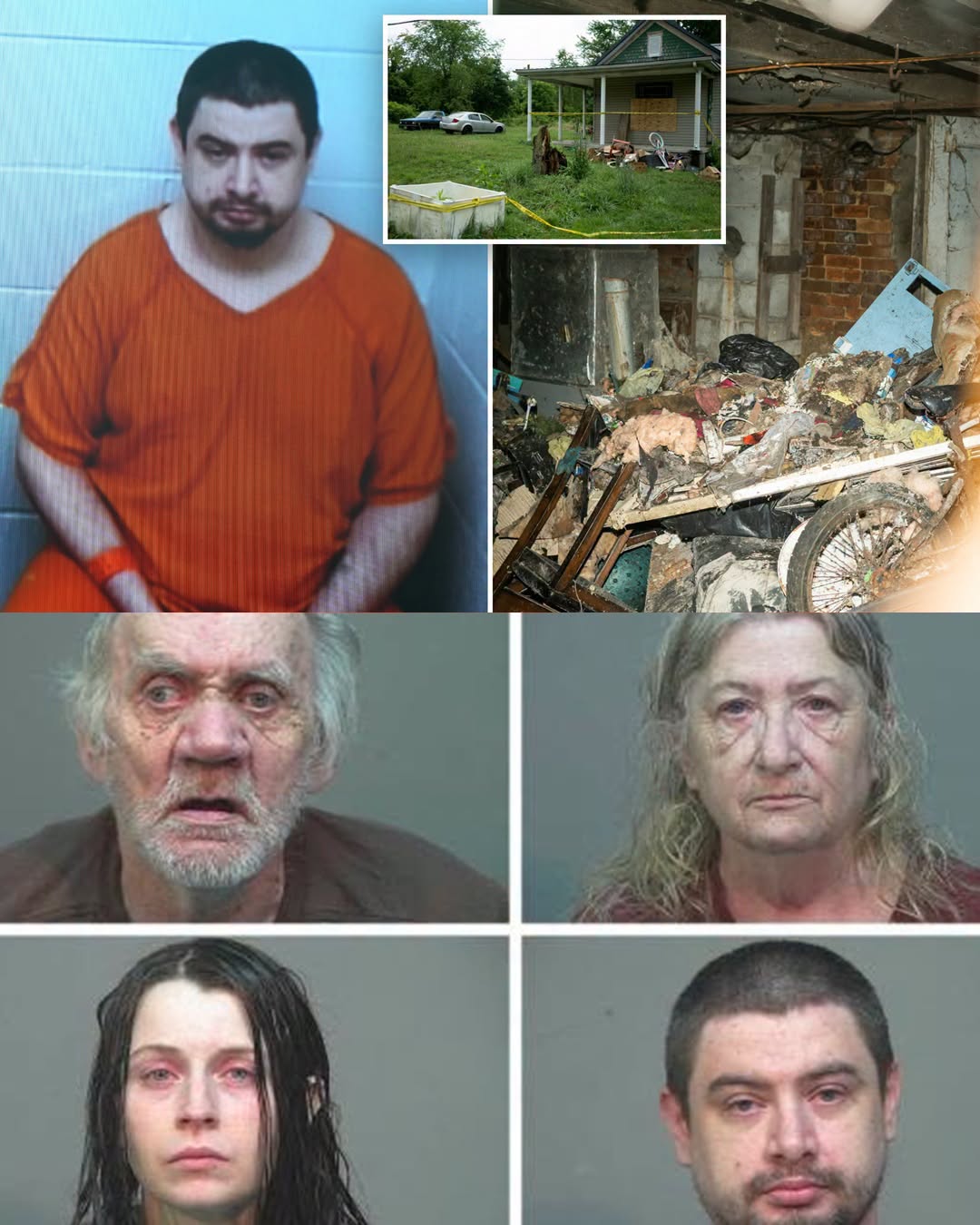
Two airlifts and an intubation made clear that neglect, as charged, was not only dirt and isolation. It was bodies that had been allowed to fail. After discharge, the work shifted to speech, trauma care, schooling, and the question every large sibling group forces on a child-welfare agency: keep them together, or split them so each child can actually be parented.South Central Ohio Job and Family Services has said the children are safe and that medical and behavioral services are being provided as appropriate. The state has not released a child-by-child medical chart, and it should not. What it has said is enough to sketch the scale.

Educational gaps are part of rehabilitation, not an afterthought. An eighteen-year-old with developmental disabilities sits on the border between juvenile custody and adult disability services. Multiple sets of twins complicate placement math. No-contact orders mean the people the children knew as parents and grandparents are not available as visitors while the criminal and juvenile cases run. Defense comments that Elizabeth’s principal desire is to reunite with her children run into a separate legal wall: even an acquittal in criminal court would not automatically return sixteen children to the house that juvenile filings have already described as dangerous.
Wilson said the children need to be surrounded and loved by people who truly care for them. That is the soft sentence in a hard case. The hard version is measured in years of language therapy, in classrooms that have to start at the beginning, in foster homes willing to take more than one traumatized child, and in a county that had to invent capacity it did not have on June 29. The public wanted a rescue story with an ending. The children walked out of one room into a system that is still deciding who they are allowed to become. Some of them, officials said, could barely communicate when they left the house. The oldest could not write the name that every form in that system now asks her to claim. That is the story that continues after the cameras leave Ohmer Street.
Source: NYpost