Three Arrests, Open Files, and the Warning Officials Keep Repeating: This Was Not One Ring and One Set of MugsH๏τs
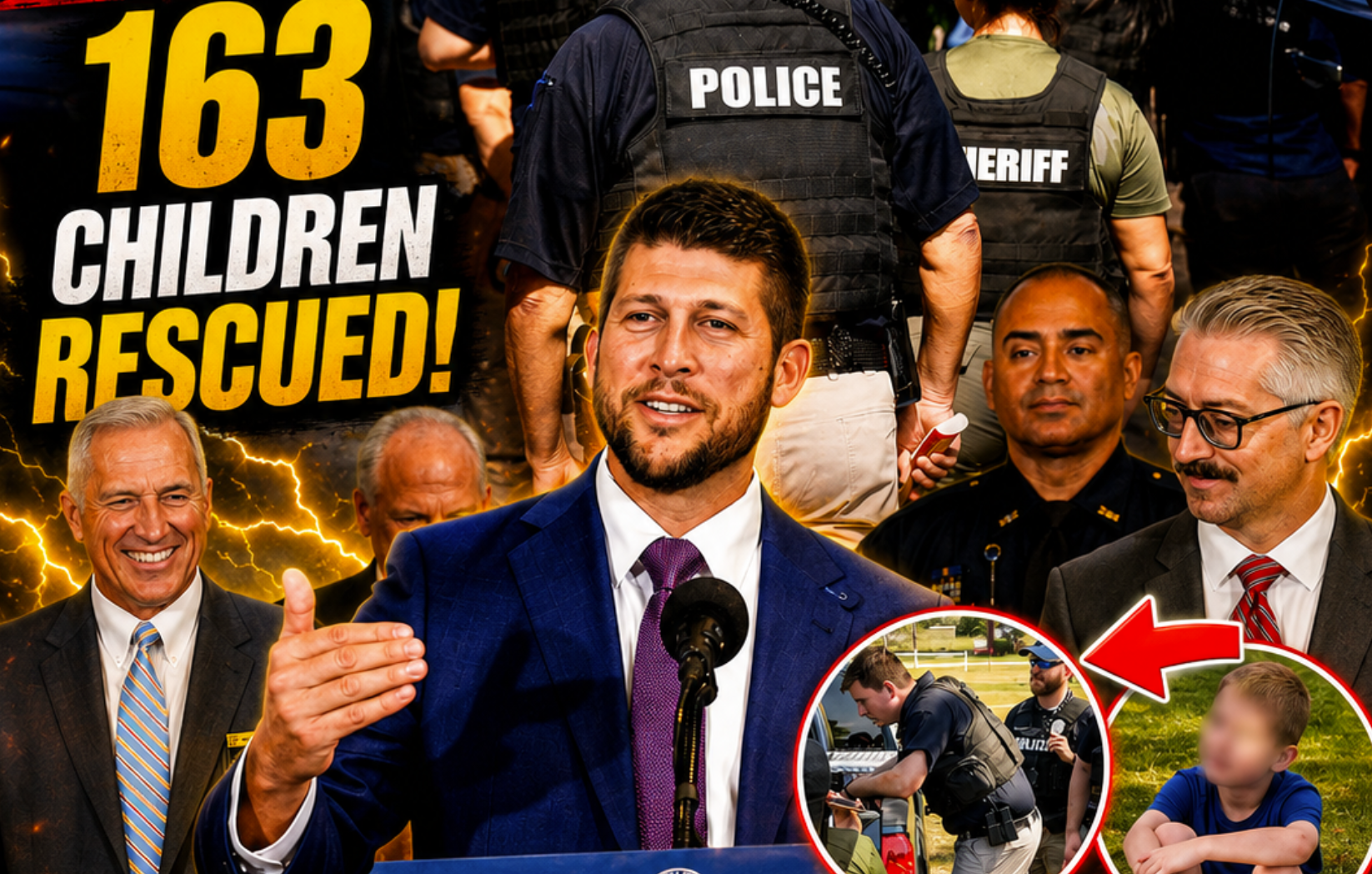
The first names attached to Operation Statewide Shield were Michael Corey Prescott, Robert Ferral Allison and Jayden Allen Harwood. Those three arrests became the easiest part of the story to circulate because arrests create pH๏τographs, charge sheets, and a sense that the operation had villains as well as victims. The charging details released by officials and local agencies were specific and limited. Prescott was arrested August 21 by the Jacksonville Sheriff’s Office and accused of three counts of lewd and lascivious acts with a minor, felony battery and aggravated ᴀssault. He also had an active warrant for interference with child custody. Allison was arrested August 20 by the Lee County Sheriff’s Office and charged with lewd and lascivious battery involving a victim 12 to 16 years old. Harwood was accused of interference with child custody and resisting officers without violence. The Attorney General’s Office of Statewide Prosecution and the Miami-Dade State Attorney’s Office were ᴀssigned three felony cases generated by the operation. Uthmeier said the state would seek maximum penalties, including the death penalty where Florida law permits that sentence in child Sєxual-abuse cases. Those facts are serious on their own. They are not the same fact as “three men kidnapped 163 children.” Independent fact checks published after the announcement made that point directly because social-media posts were already pairing the mugsH๏τs with language that treated the entire recovery total as one captivity case. Officials never presented the operation that way. They said there were multiple arrests, that investigations remained open, and that more arrests were expected. They also said the 163 children had been missing or endangered for a range of reasons: running away, abandonment, neglect, abuse, exploitation, exposure to criminal activity, and in many cases human trafficking. The difference is not a public-relations nicety. It is the difference between a completed morality play and an unfinished criminal-intelligence problem.
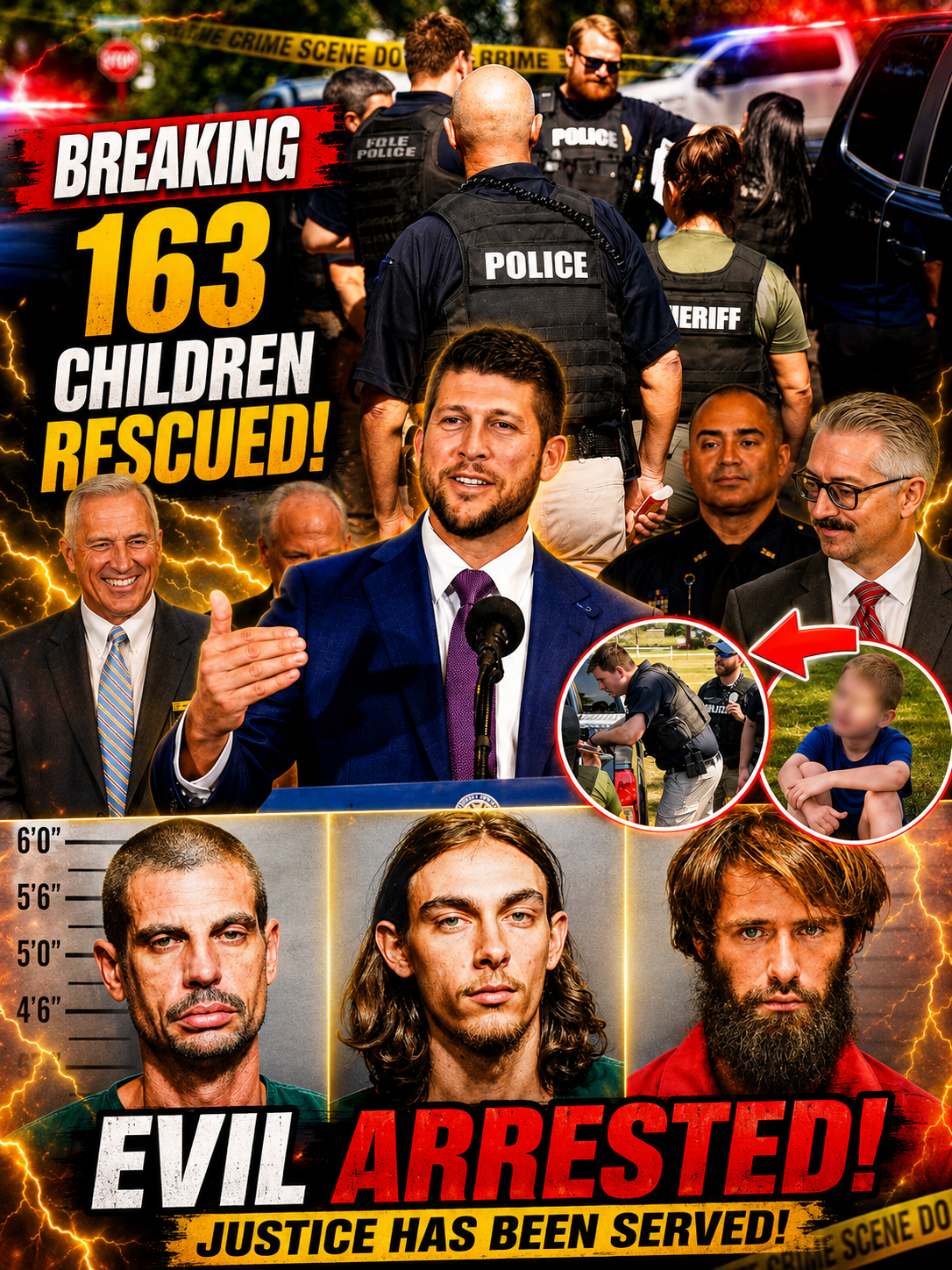
The unfinished part is what law enforcement actually advertised. FDLE and the Attorney General’s office said they were still trying to determine who ran trafficking networks connected to some of the recovered children. They did not claim they had already dismantled every network touched by the five-day sweep. They said the operation used intelligence and field work to find children first, then generate cases from what officers found while finding them. That sequence explains why the arrest count was small beside the recovery count. A missing-child recovery can end with a child being returned to a safe caregiver and no new felony file at all. It can end with a custody warrant. It can end with a Sєx-crime charge involving one victim. It can end with a trafficking investigation that takes months to map. All of those outcomes can appear inside the same operation and still be counted as one recovery total. The public hunger for a single villain is understandable after a number like 163, especially when officials themselves used moral language about children no longer being in the hands of evil. The record underneath that language is more bureaucratic and more fragmented. Prescott’s case was tied to Jacksonville. Allison’s case was tied to Lee County. Harwood’s case was described as a custody-interference arrest rather than a multi-victim trafficking indictment. None of the initial charging summaries released in the first week described a conspiracy count that bundled all 163 children into one prosecution. Treating the three men as the entire story therefore does two kinds of damage. It overstates what is known about those defendants, and it understates the number of people who may still be under investigation.
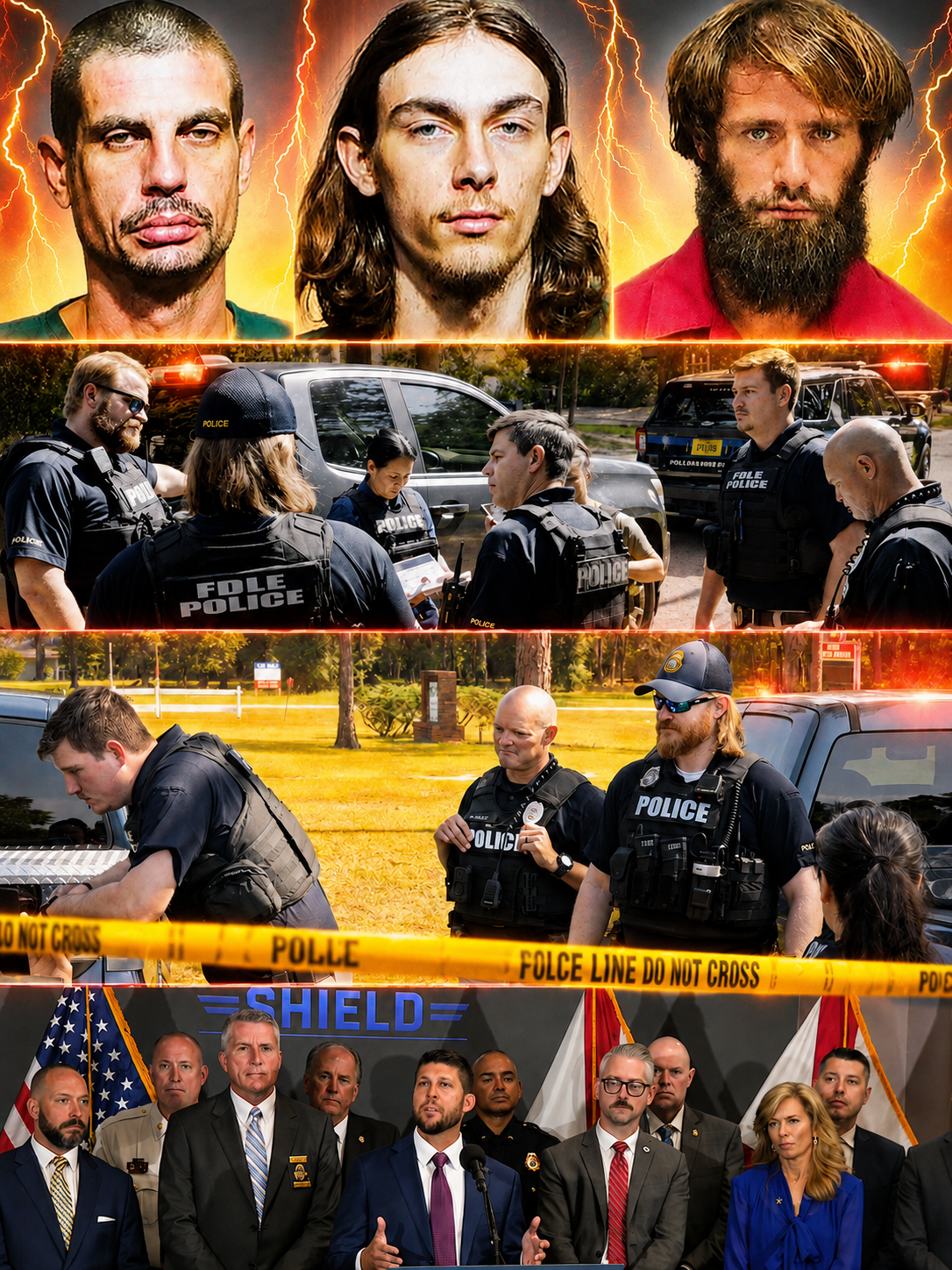
Uthmeier’s office said many more investigations had been started. That sentence is the one that should have traveled as far as the mugsH๏τs. A five-day operation can locate a child. It cannot finish every forensic interview, every phone extraction, every out-of-state warrant, every international request, and every charging decision in the same week. Recovery hubs were set up precisely because the children needed services immediately while those slower processes began. Social workers, medical providers, victim advocates and child-welfare staff were brought to the same locations so that a recovered child did not disappear again into an overwhelmed system. Partners such as BayCare and One More Child publicly stressed aftercare because they have seen prior operations in which the tactical success was real and the long-term stability was not. Florida officials also pointed back to earlier models, Operation Dragon Eye and Operation Home for the Holidays, as proof that the state had been practicing this kind of work before it tried to run a statewide version itself. The first state-led version produced a record number and a short list of named defendants. The honest reading of that combination is not that the danger has been cleared. The honest reading is that Florida demonstrated it can find children at scale and that the criminal cases behind some of those children are still being built. If the operation is remembered only as 163 rescues and three arrests, the public will miss the part officials themselves have not closed: the networks that were not fully identified, the suspects not yet named, and the children whose safety now depends on whether the same agencies that found them can stay with them after the press conference in Tampa is over.
Source: https://www.fox32chicago.com/news/163-missing-florida-kids-rescued-3-arrested-operation-statewide-shield?link_source=ta_first_comment&taid=6a8e189db9a1130001006197&utm_campaign=trueAnthem_manual&utm_medium=trueanthem&utm_source=facebook