BREAKING: Search for 4-Year-Old Javeayah Harris Ends at Reservoir — Investigators Recover Partial Remains and Declare Case Far From Over
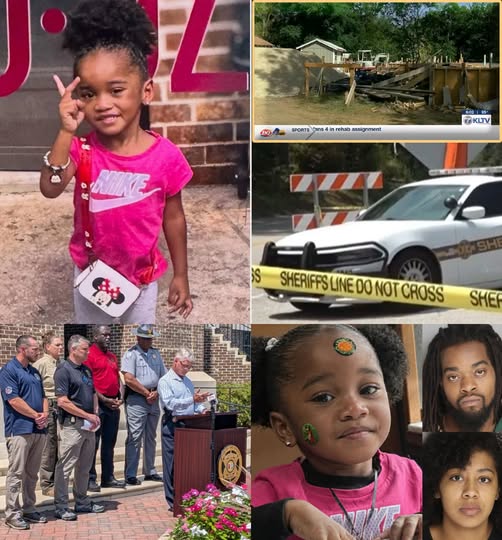
For more than a week, investigators and an entire South Carolina community searched desperately for 4-year-old Javeayah Harris.
Then authorities arrived at Cedar Creek Reservoir.
What they recovered there transformed an already heartbreaking missing-child investigation into a case Fairfield County Sheriff Marty Sawyer described as one of the most disturbing he had encountered in 37 years of law enforcement.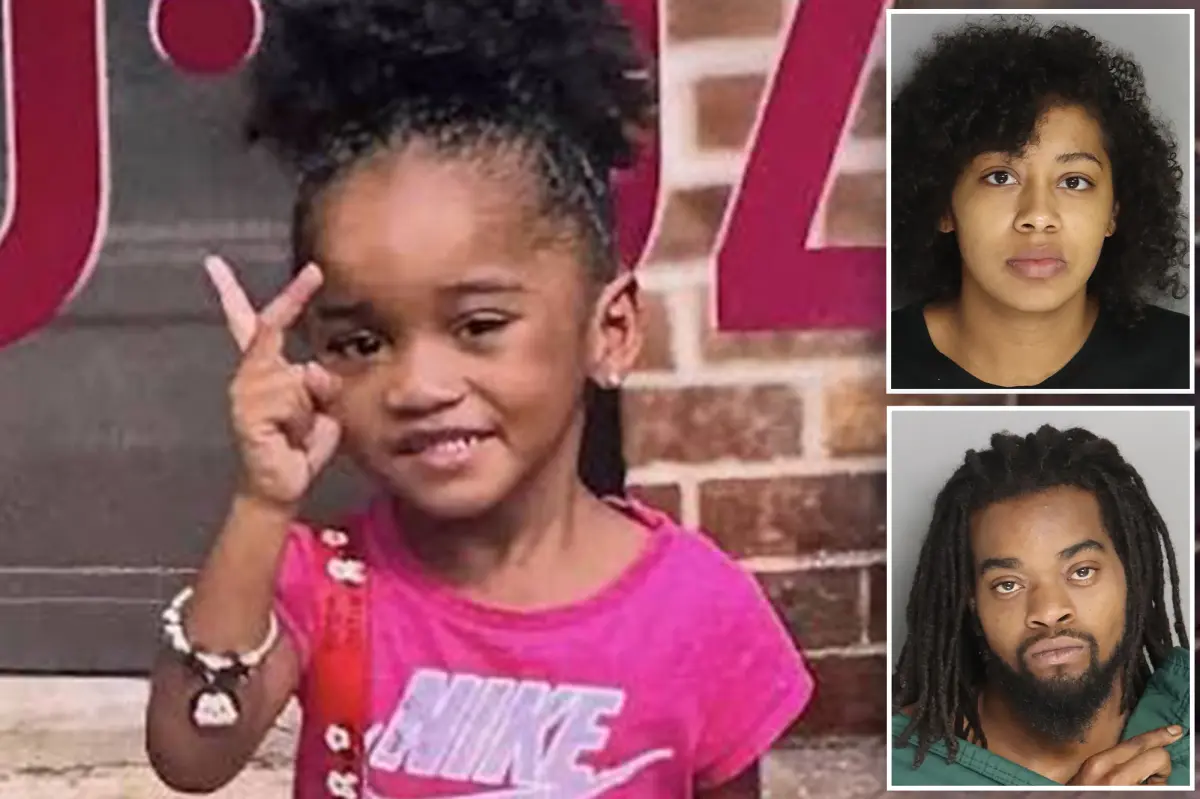
At a July 9 news conference, Sawyer announced that a small amount of human remains had been recovered from the reservoir, also known as Stumpy Pond, in Fairfield County. DNA testing showed the remains were consistent with being the biological child of Javeayah’s parents, Michilae Herring and Johmarea Harris.
For investigators, the discovery provided the forensic confirmation they had been seeking. It also brought a devastating realization: authorities believe they may never recover all of Javeayah’s remains.
A Missing-Person Report That Quickly Changed Course
Javeayah was reported missing on June 30 from her home in Aiken, South Carolina. The report triggered an enormous multi-agency response. Nearly 200 personnel became involved in the search as temperatures climbed and concern for the little girl intensified.
Investigators soon began questioning whether Javeayah had actually disappeared on the date she was reported missing. Evidence eventually led authorities to believe she had died weeks earlier.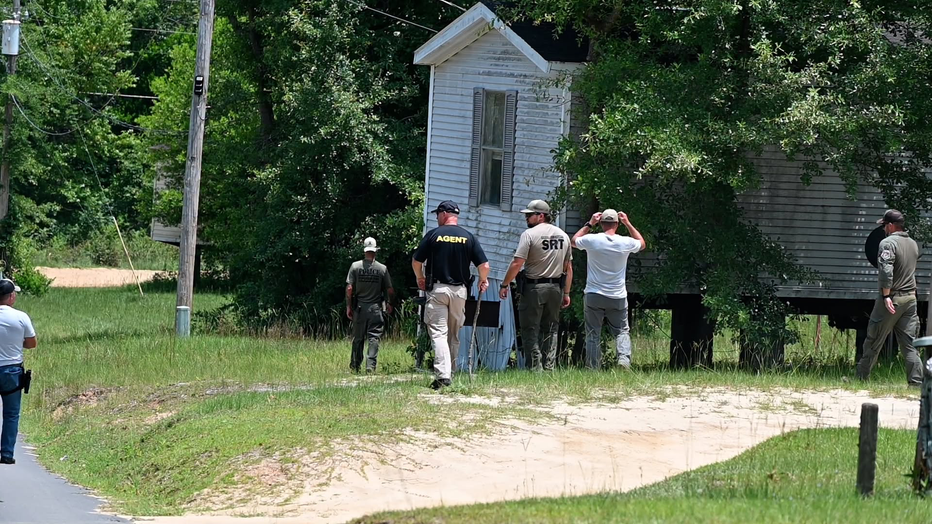
Her parents were arrested on July 4 and charged with homicide by child abuse. Herring was additionally charged with filing a false police report. Both defendants were subsequently denied bond.
Arrest warrants alleged that the child suffered a serious head injury during abuse and did not receive necessary medical attention afterward. Investigators believe she subsequently died. Those allegations have not yet been tested at trial.
Focus Shifts to a Distant Reservoir
As detectives reconstructed the timeline, the investigation expanded far beyond Javeayah’s home. Search teams eventually focused on Cedar Creek Reservoir in Fairfield County, roughly 100 miles from where the child lived.
For days, investigators searched the area around the water. Then forensic evidence provided the breakthrough. Sawyer announced that a small amount of human remains had been recovered and that DNA testing linked them biologically to Herring and Harris.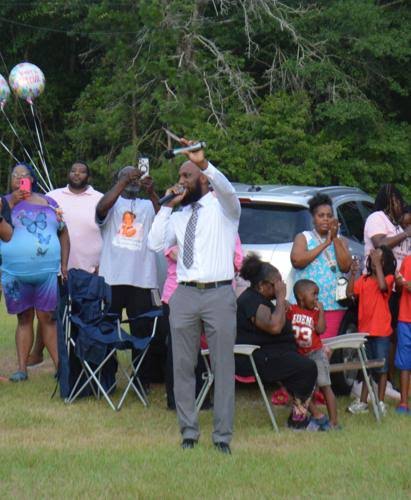
Authorities further allege that extraordinary efforts were made after Javeayah’s death to prevent investigators from ever making that discovery. According to the sheriff, evidence indicates corrosive chemicals and other tools were used in an attempt to accelerate the destruction of the child’s remains. Investigators allege what remained was subsequently disposed of in the reservoir.
Arrest warrants place the alleged destruction of the remains around June 8 — weeks before Javeayah was reported missing. Because of the extent of what authorities say was done, Sawyer acknowledged that recovering everything may now be impossible.
New Charges Follow the Discovery
The reservoir evidence immediately expanded the criminal case. In addition to the homicide-by-child-abuse charges already pending against Herring and Harris, authorities filed charges involving destruction and desecration of human remains. Bond was again denied.
The defendants are accused of extremely serious crimes, but the charges remain allegations until resolved through the court system.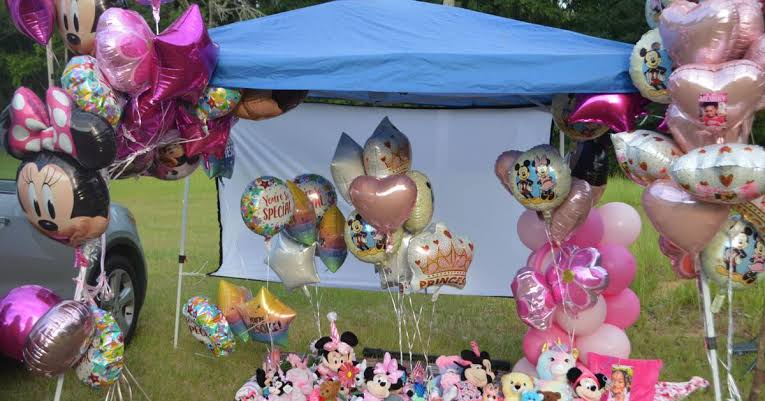
For Sawyer and the investigators standing beside him during the announcement, the emotional weight of the case was clear. Many members of the sheriff’s office wore pink ribbons or ties in recognition of Javeayah’s favorite color. Sawyer described the investigation as deeply taxing for both law enforcement and the surrounding community.
He also made clear that recovering remains did not mean the investigation was finished. Detectives must continue reconstructing the timeline, analyzing forensic evidence, and preparing the case for court.
A Community Moves From Search to Mourning
Outside the criminal investigation, the public response to Javeayah has taken another form. A memorial outside her home continued to grow as community members left flowers, stuffed animals, and messages. Residents also gathered at vigils to remember a child many of them had never personally met.
The contrast is striking. Only days earlier, hundreds of people had been hoping search crews would find Javeayah alive. By July 9, investigators were explaining why they believed a complete recovery of her remains might never happen.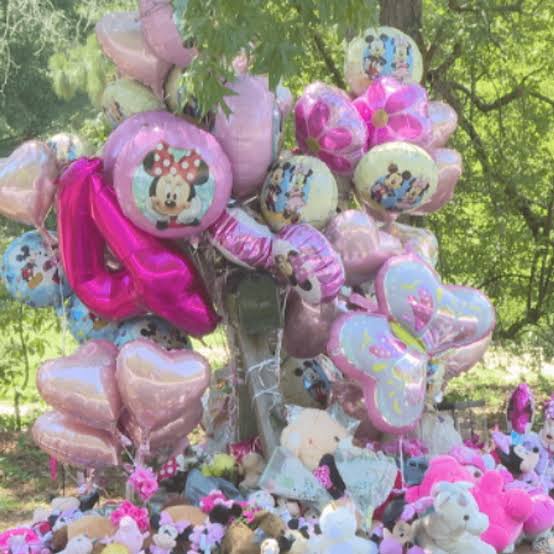
Yet Sawyer emphasized that the discovery at Cedar Creek Reservoir represented a chapter in the investigation — not its conclusion. The physical search may have encountered limits. The search for accountability has not.
Investigators are continuing to ᴀssemble the evidence surrounding what happened to Javeayah, when it happened, what occurred afterward, and why she was not reported missing until weeks later.
For the community that spent days hoping she would come home, the outcome was the one everyone feared. But even after the discovery in the reservoir, authorities say their responsibility to Javeayah is not finished.
The search that began with a missing 4-year-old has now become a pursuit of the complete story of what happened to her — and of justice through the courts.