Nanotyrannus Is Real! Dueling Dinosaurs Specimen Ends 40-Year Bloody Scientific Debate,lh
Nanotyrannus Is Real! Dueling Dinosaurs Specimen Ends 40-Year Bloody Scientific Debate
In a landmark 2025 study published in Nature, paleontologists led by Lindsay Zanno have delivered the definitive verdict: Nanotyrannus was not a juvenile Tyrannosaurus rex, but a fully grown, distinct species — and the “Dueling Dinosaurs” specimen from Montana’s Hell Creek Formation has ended one of the longest-running and most acrimonious debates in dinosaur science.
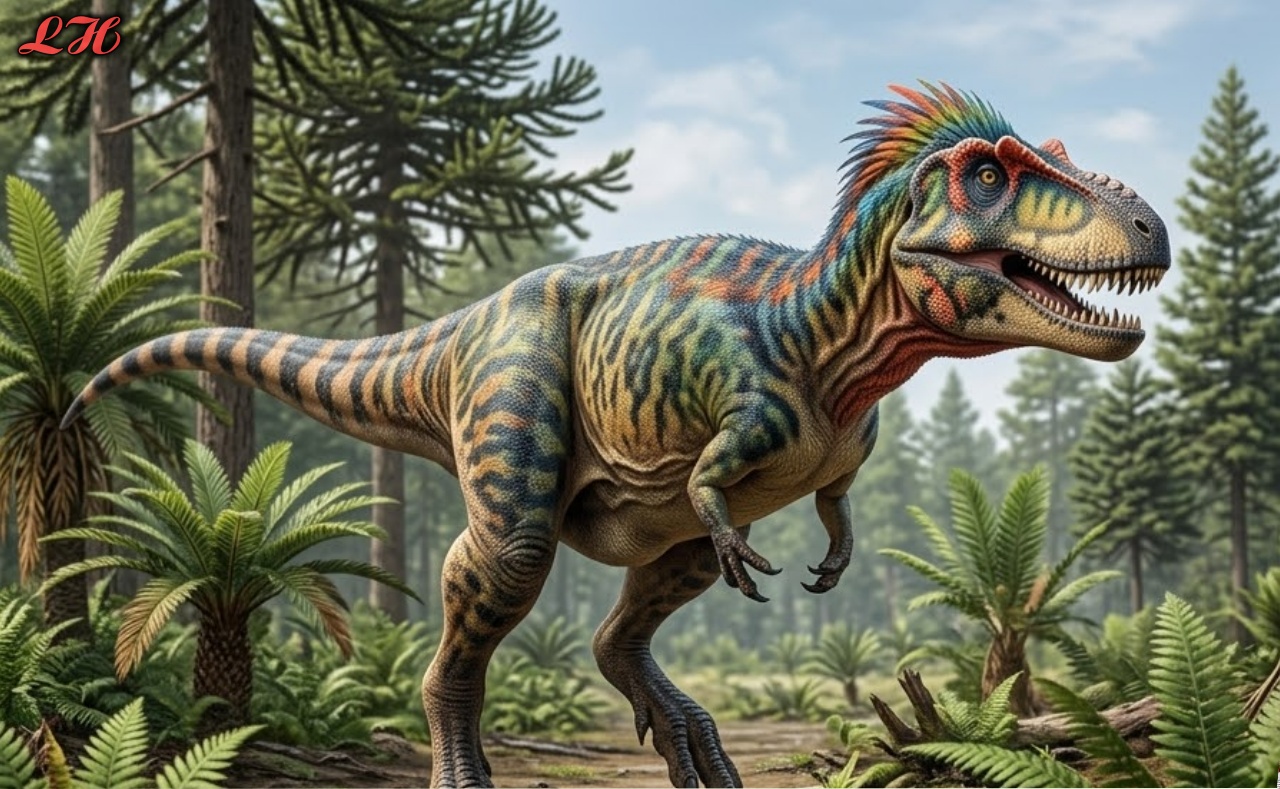
The near-complete skeleton (NCSM 40000), famously locked in combat with a Triceratops, belonged to an adult Nanotyrannus lancensis. Histological analysis revealed 25 annual growth rings, placing the animal at 17–22 years old and skeletally mature at death. Its skull bones are fully fused — a hallmark of adulthood — while its anatomy differs radically from T. rex: proportionally longer arms with three functional fingers, more teeth, and a lighter, more agile build.
Phylogenetic analysis places Nanotyrannus outside Tyrannosauridae entirely, confirming it as a separate lineage that coexisted with T. rex in the final 2–3 million years of the Cretaceous. Size estimates show adults reached only 5–6 metres and around 700 kg — roughly the size of a large horse — making it a sleek, fast predator that occupied a very different niche from the colossal T. rex.
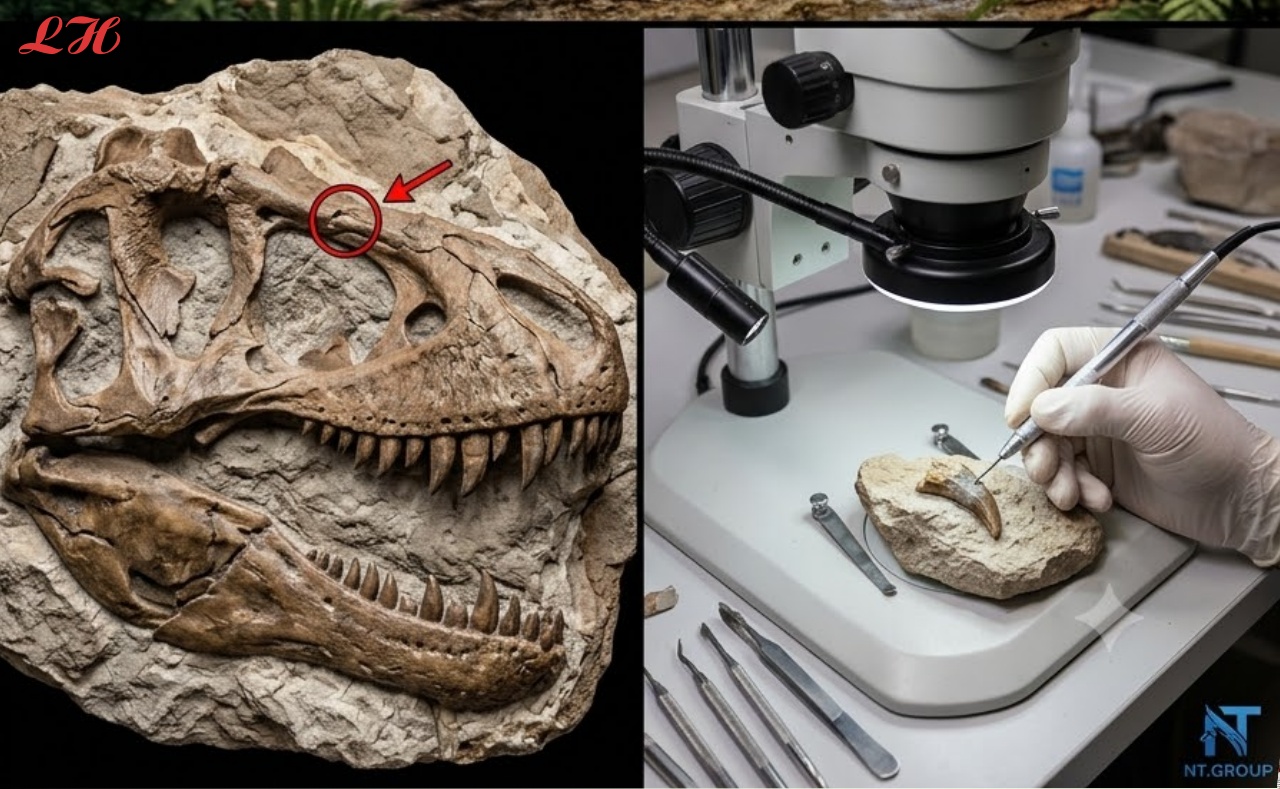
The discovery forces a complete rewrite of decades of T. rex growth curves, behavior studies, and ecosystem reconstructions. Instead of one giant tyrant, Late Cretaceous North America hosted at least two distinct tyrannosauroid apex predators.
“This categorically ends the debate,” the authors state. From the Montana badlands, the Dueling Dinosaurs specimen has finally given Nanotyrannus the recognition it always deserved — a real, adult species that lived and hunted alongside the king of dinosaurs until the asteroid struck. Paleontology just gained an entirely new tyrant.