Arctic Fossils Reveal Why Giant Ground Sloths and Megafauna Vanished: A Perfect Storm of Climate and Humans.lh
Arctic Fossils Reveal Why Giant Ground Sloths and Megafauna Vanished: A Perfect Storm of Climate and Humans
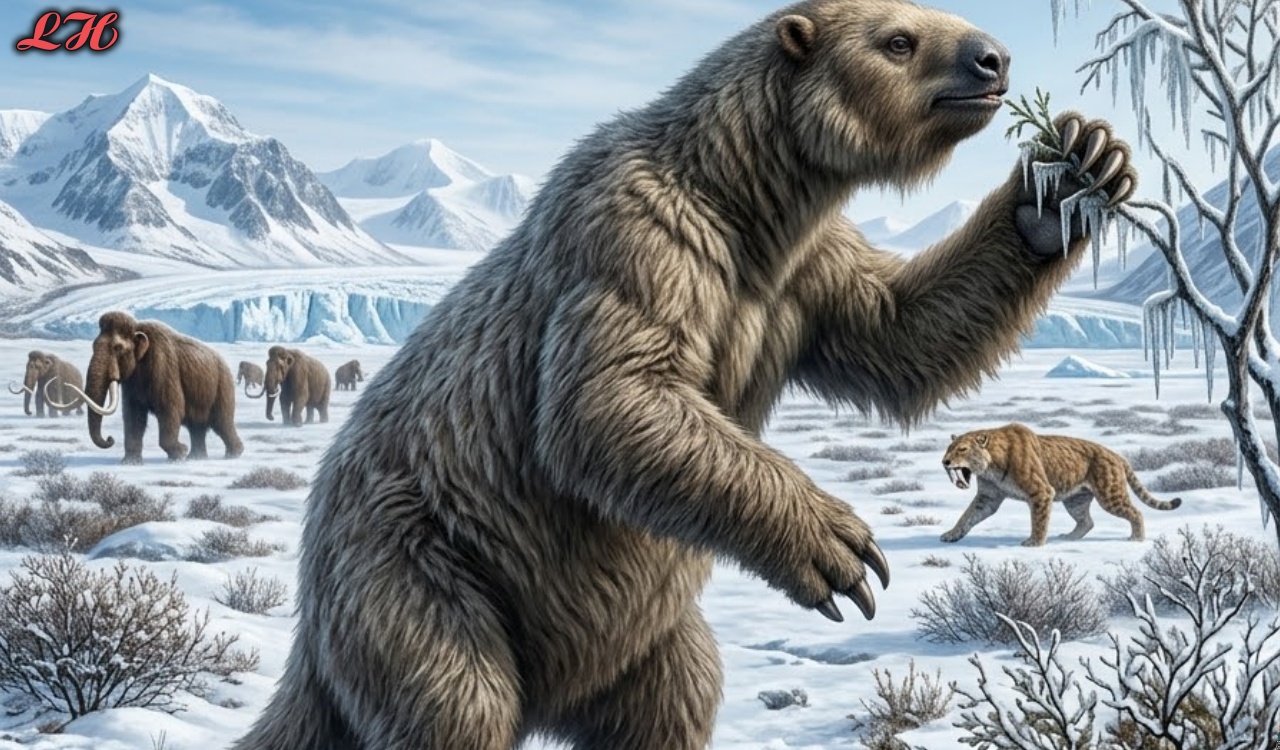
New high-resolution dating and environmental data from permafrost and Arctic fossil sites are finally clarifying why giant ground sloths (Megalonyx, Paramylodon, Nothrotheriops) and dozens of other megafauna disappeared around 11,000–12,000 years ago.
Fossils from Yukon’s Old Crow Basin and Alaska’s permafrost deposits show that northern populations of Megalonyx jeffersonii persisted through multiple glacial cycles but vanished abruptly as the climate warmed rapidly after the Last Glacial Maximum. Radiocarbon dates place their final appearances just before or during the arrival of the first humans in North America (~13,000–11,000 years ago).
Dental microwear texture analysis (2025 Biology Letters study) reveals these sloths were not simple browsers but occupied distinct ecological niches — some crushing hard tubers and roots, others eating softer vegetation — making them irreplaceable ecosystem engineers. Their loss triggered cascading effects: reduced seed dispersal, unchecked woody growth, and altered soil turnover.
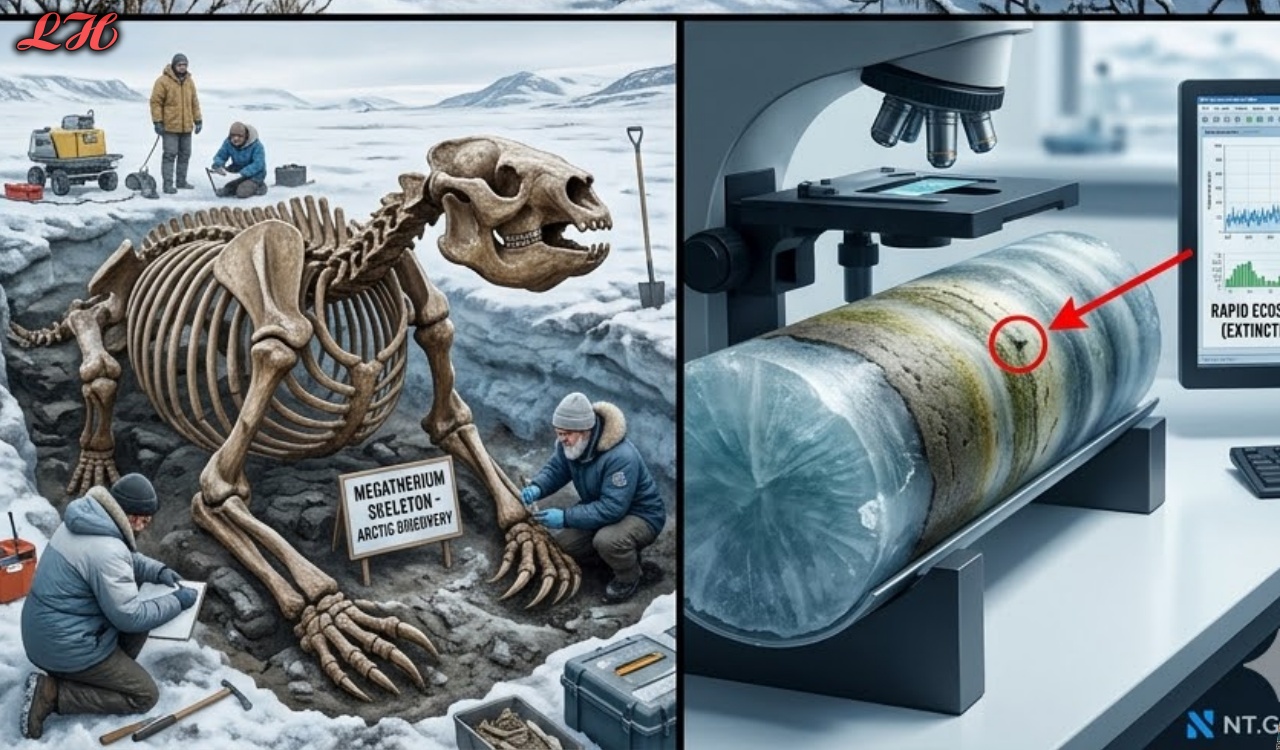
Combined with kill-site evidence and the timing of human expansion, the Arctic record supports a “perfect storm” model: rapid post-glacial warming fragmented habitats while human hunting delivered the final blow. No single cause explains the selective extinction of large-bodied species.
These northern fossils provide the clearest timeline yet, showing megafauna thrived until both pressures converged. Their disappearance reshaped American landscapes forever — a warning still relevant today.