520-Million-Year-Old Fossils in China: Complex Life Was Already Thriving During the Cambrian Explosion.lh
520-Million-Year-Old Fossils in China: Complex Life Was Already Thriving During the Cambrian Explosion
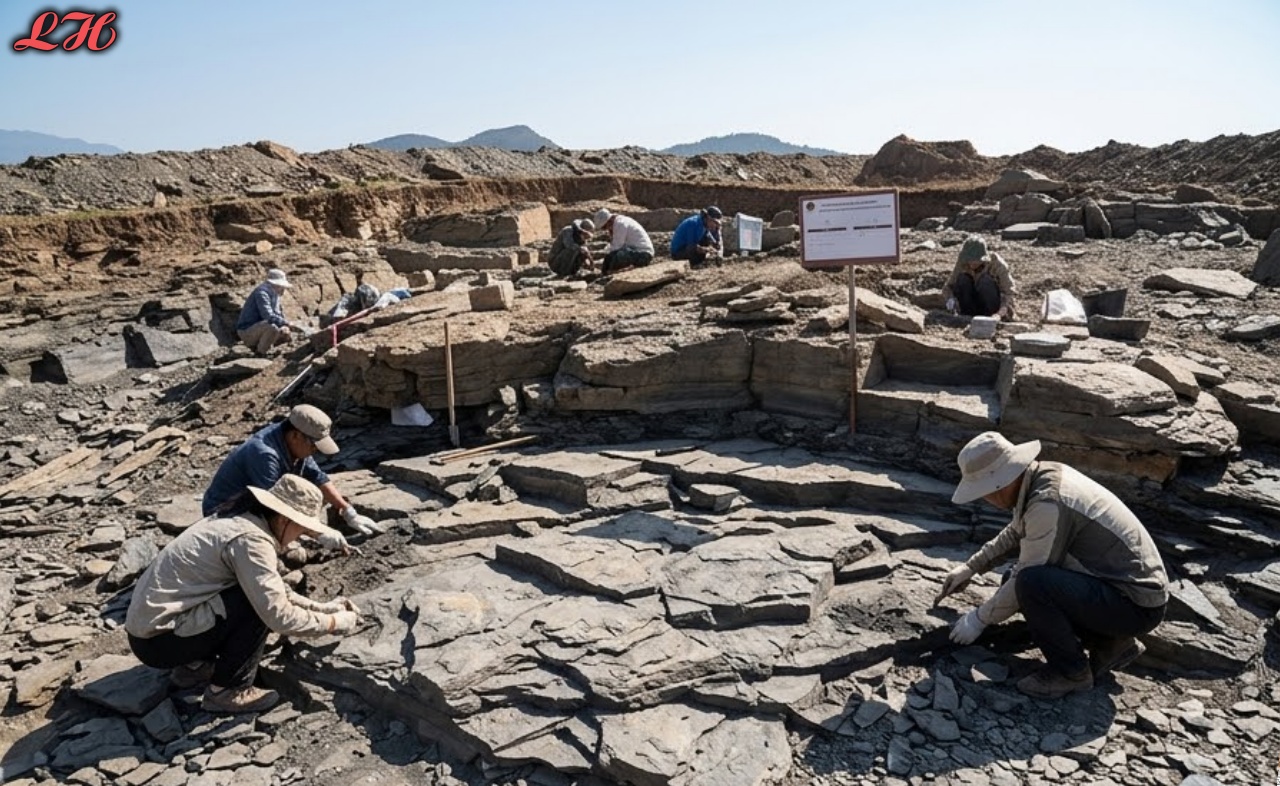
New discoveries from China’s Yunnan Province have dramatically reinforced what the Chengjiang Biota first hinted at decades ago: by 520 million years ago, Earth’s oceans were already home to sophisticated, diverse animal communities — not simple precursors, but fully formed ecosystems with predators, prey, and complex body plans.
The most striking recent find involves exceptionally preserved bryozoans (tiny colonial animals) from the Xiannüdong Formation, dated to approximately 520 million years ago. Long thought to have appeared tens of millions of years later, these colonial filter-feeders were already building reef-like structures alongside archaeocyath sponges in shallow Cambrian seas. Their presence proves that modular, colonial life — a hallmark of modern marine ecosystems — was established right at the height of the Cambrian Explosion.
Another headline-grabbing specimen is Youti yuanshi, a three-dimensionally preserved larva of an early arthropod, also around 520 million years old. The tiny worm-like fossil (smaller than a grain of rice) retains traces of internal organs, including a gut and nervous system, offering an unprecedented window into the developmental biology of the ancestors of insects, spiders, and crustaceans.
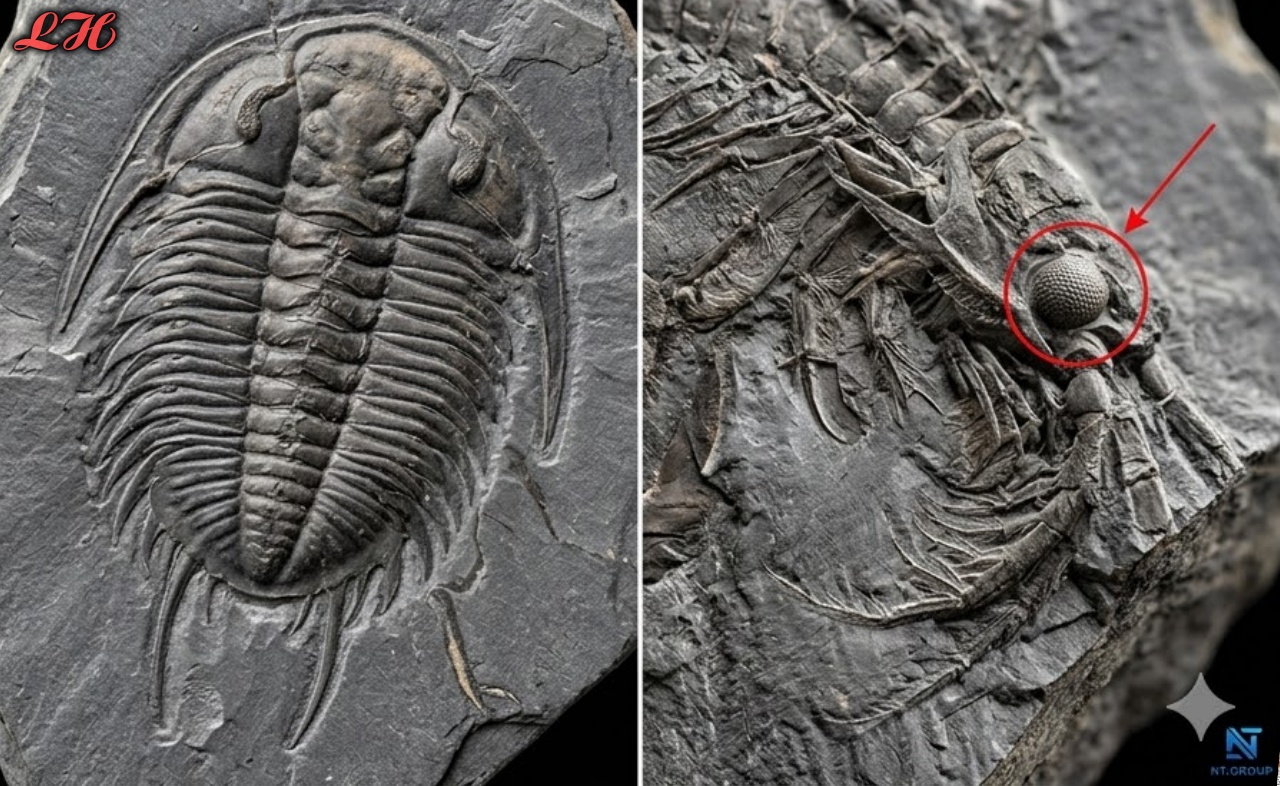
These fossils come from the same broad window as the world-famous Chengjiang Biota (~518 Ma), which has yielded over 250 species across more than 20 phyla — including the earliest known chordates (our own distant ancestors), complex predators, and animals with sophisticated sensory organs. The exceptional preservation of soft tissues in these Chinese lagerstätten has repeatedly shown that the “explosion” was not a sudden appearance of life from nothing, but the rapid diversification of lineages that already possessed advanced anatomy.
As of mid-2026, ongoing research at sites like Jiangchuan and new analyses of Chengjiang material continue to reveal that complex, multicellular animals with differentiated tissues, nervous systems, and ecological roles were already widespread by 520 million years ago. The Cambrian was not the dawn of complexity — it was the moment when that complexity exploded into the dazzling variety we still see today.
China’s fossil treasure troves have once again proven that the story of life’s diversification began earlier and was more sophisticated than textbooks once suggested. The 520-million-year-old record from Yunnan stands as one of the clearest snapsH๏τs of the Cambrian world — a vibrant, compeтιтive marine realm already teeming with the ancestors of today’s major animal groups.