Little Foot May Represent an Entirely New Hominin Species in South Africa.lh
Little Foot May Represent an Entirely New Hominin Species in South Africa
A December 2025 study in the American Journal of Biological Anthropology has upended decades of debate: the iconic “Little Foot” skeleton (StW 573) from South Africa’s Sterkfontein Caves is unlikely to belong to any previously named Australopithecus species. Led by Dr. Jesse Martin of La Trobe University, the international team concludes it may instead represent a previously unknown human ancestor.
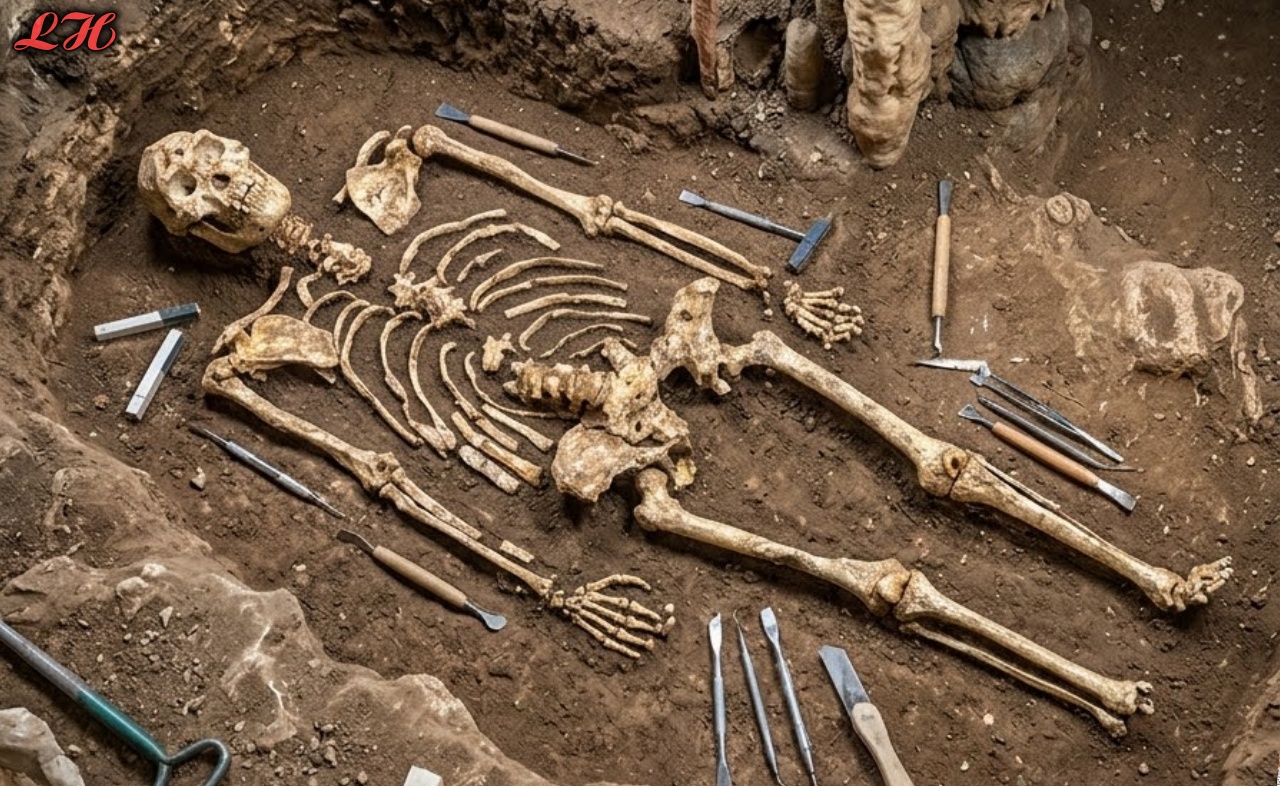
Discovered between 1994 and 1998 and painstakingly excavated over 20 years, Little Foot is the most complete Australopithecus skeleton ever found—over 90% preserved and dated to approximately 3.67 million years ago. Ronald Clarke long attributed it to A. prometheus, citing distinctive cranial and dental traits also seen at Makapansgat. Others placed it within A. africanus or even A. afarensis (Lucy’s species).
Martin’s team performed an exhaustive morphological comparison and found that Little Foot shares no unique suite of features with any of these taxa. “We think it is demonstrably not A. prometheus, A. africanus, or A. afarensis,” Martin stated. “This is more likely a previously unidentified human relative.”
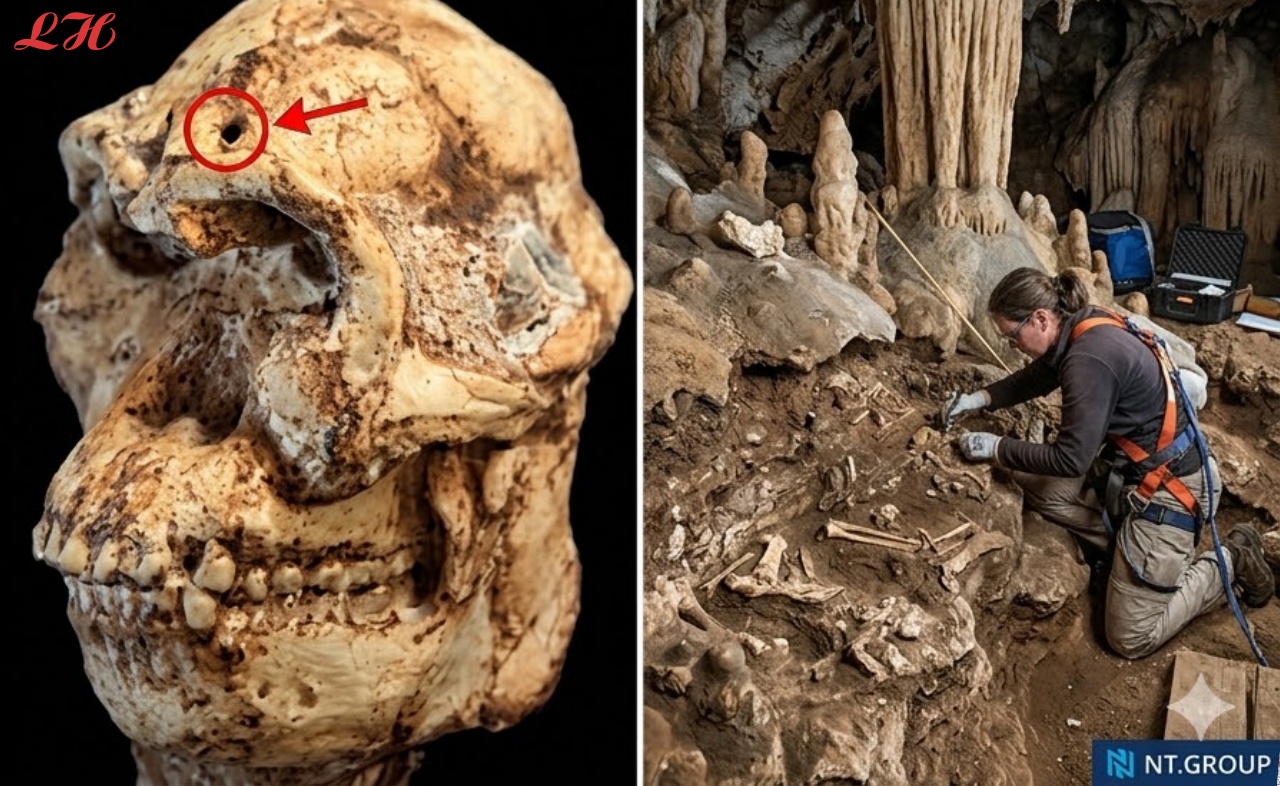
The implications are profound. Sterkfontein already documents multiple hominin lineages coexisting in southern Africa. Adding a third distinct form at 3.67 Ma would expand early hominin diversity and force a re-examination of branching patterns in the human family tree. A companion 2026 virtual facial reconstruction further highlights unexpected affinities with East African specimens.
The authors stop short of formally naming a new species, deferring to the original excavators. Little Foot has once again rewritten the script of human origins—this time by revealing a face we may never have met before.