Nanotyrannus Is Not a Baby T. rex: 2025 Discovery Confirms Distinct Tyrannosaur Species Lived Alongside the “King of Dinosaurs”.lh
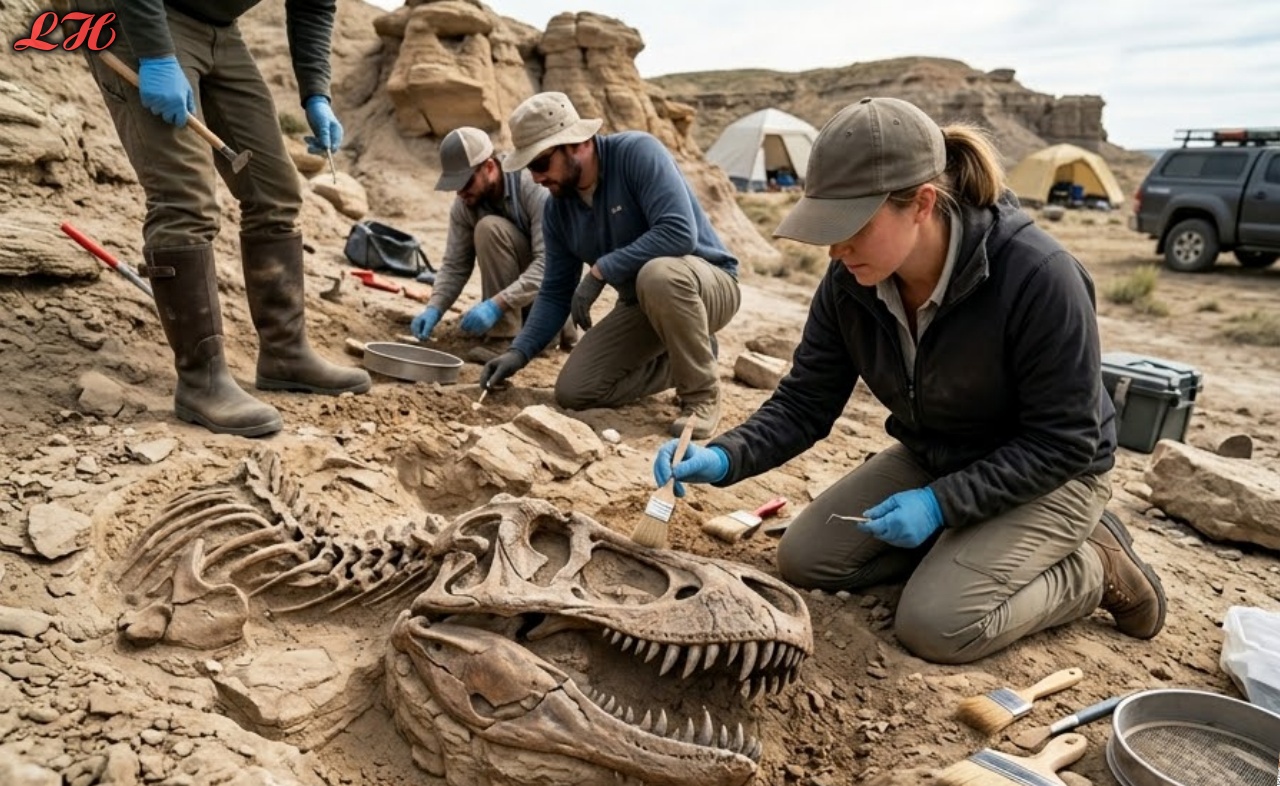
Nanotyrannus Is Not a Baby T. rex: 2025 Discovery Confirms Distinct Tyrannosaur Species Lived Alongside the “King of Dinosaurs”
In a definitive 2025 Nature study, paleontologists Lindsay Zanno and James Napoli have closed one of dinosaur science’s longest-running debates: Nanotyrannus is a fully grown, separate tyrannosaur species—not a juvenile Tyrannosaurus rex.
The smoking gun is the spectacular “Bloody Mary” skeleton from the Dueling Dinosaurs fossil (NCSM 40000), the most complete tyrannosauroid ever found. Detailed bone histology reveals the animal died as a mature adult around 20 years old, with fully developed bone tissue and no remaining growth zones typical of rapidly growing T. rex juveniles. At just 5 metres long and under 700 kg, it was roughly one-tenth the mᴀss of an adult T. rex.
The team also formally validated a second species, Nanotyrannus lethaeus, based on the “Jane” specimen. Together, these two species lived alongside T. rex in the Hell Creek ecosystem for hundreds of thousands of years. Key anatomical differences—fewer vertebrae, more teeth, longer arms, and distinct skull proportions—cannot be explained by growth stage.
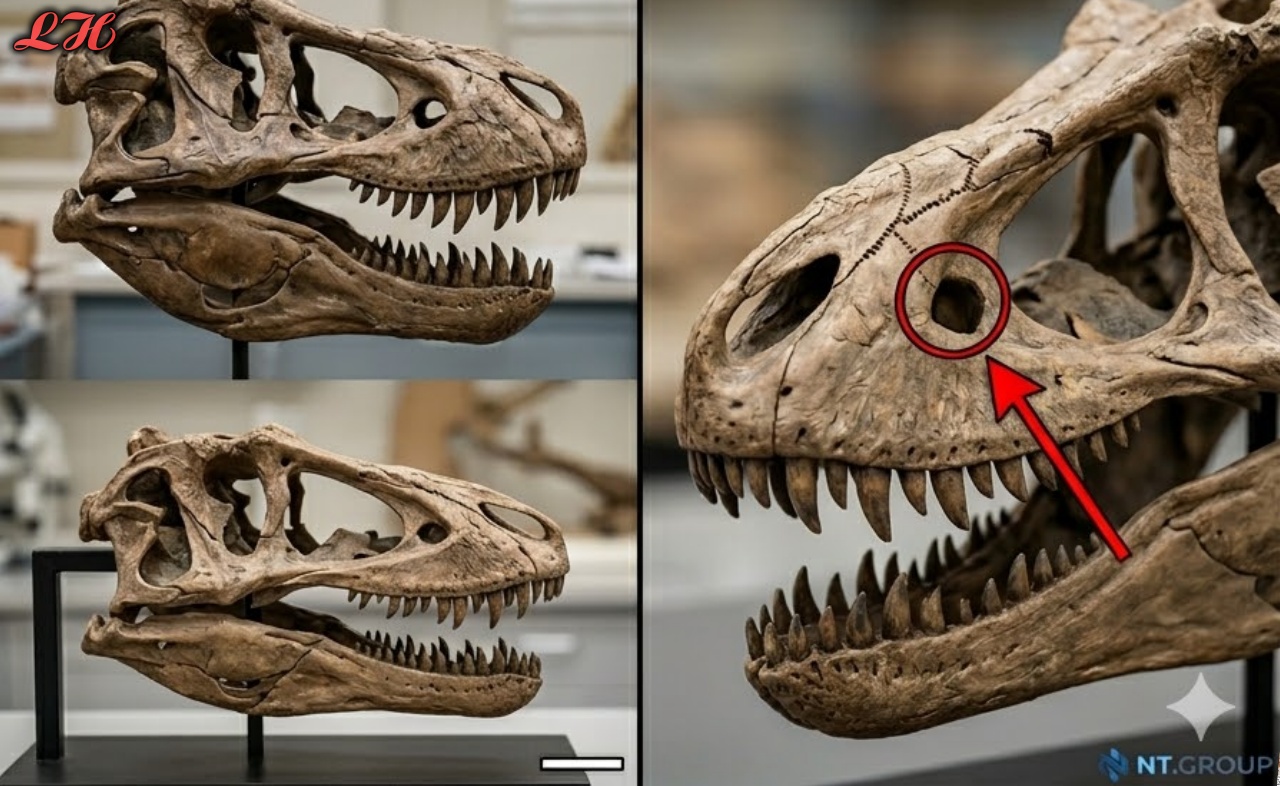
“This fossil is the Rosetta Stone for tyrannosaur research,” Zanno stated. “It proves two distinct, smaller tyrannosauroids coexisted with the giant T. rex, completely rewriting our understanding of Late Cretaceous predator guilds.”
The discovery shows that Hell Creek hosted a far more diverse tyrannosaur community than previously imagined, with Nanotyrannus occupying different ecological niches as lean, fast hunters. After two decades of controversy, the “teen T. rex” hypothesis is officially extinct.