“Heron Raptor” Kank australis: Specialized Fish-Hunting Unenlagiid from Late Cretaceous Patagonia!lh
“Heron Raptor” Kank australis: Specialized Fish-Hunting Unenlagiid from Late Cretaceous Patagonia!
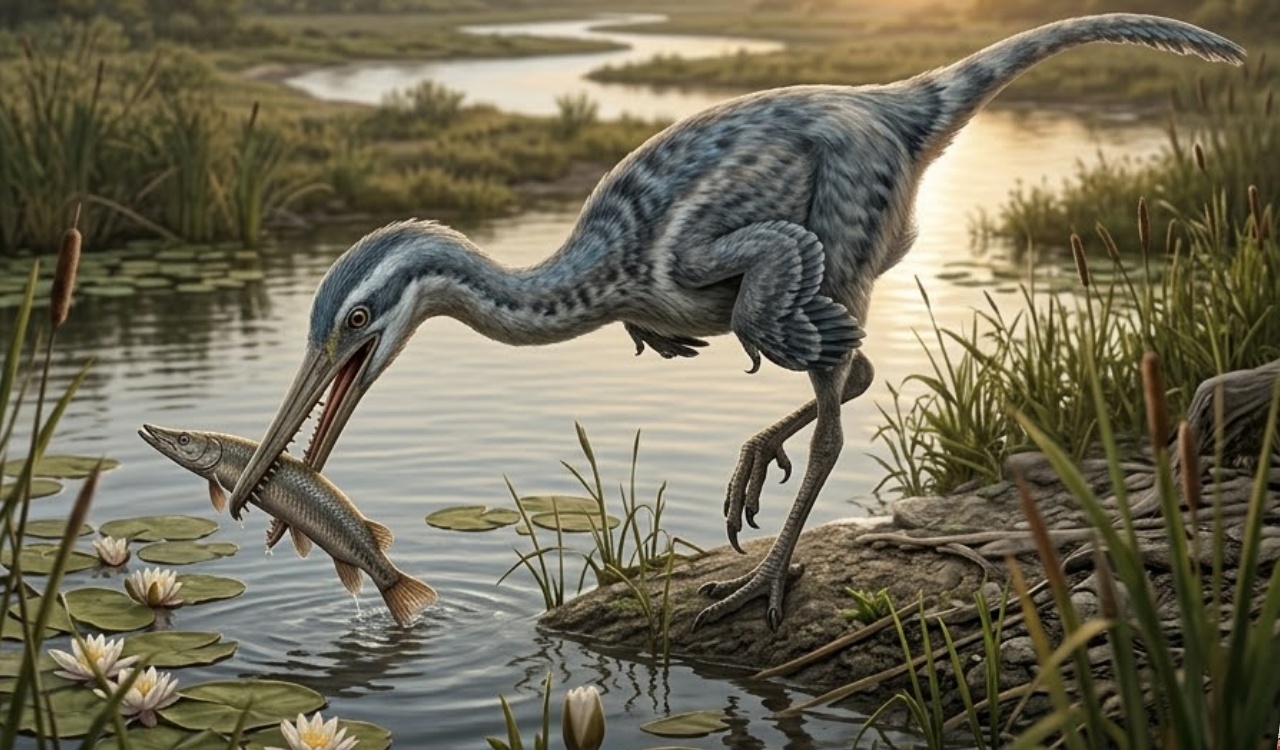
Paleontologists have unveiled Kank australis, a newly described unenlagiid theropod from the Maastrichtian Chorrillo Formation (~70 million years ago) in southern Santa Cruz, SW Patagonia, Argentina — a specialized wetland predator that stalked riverbanks and marshes like a giant prehistoric heron.
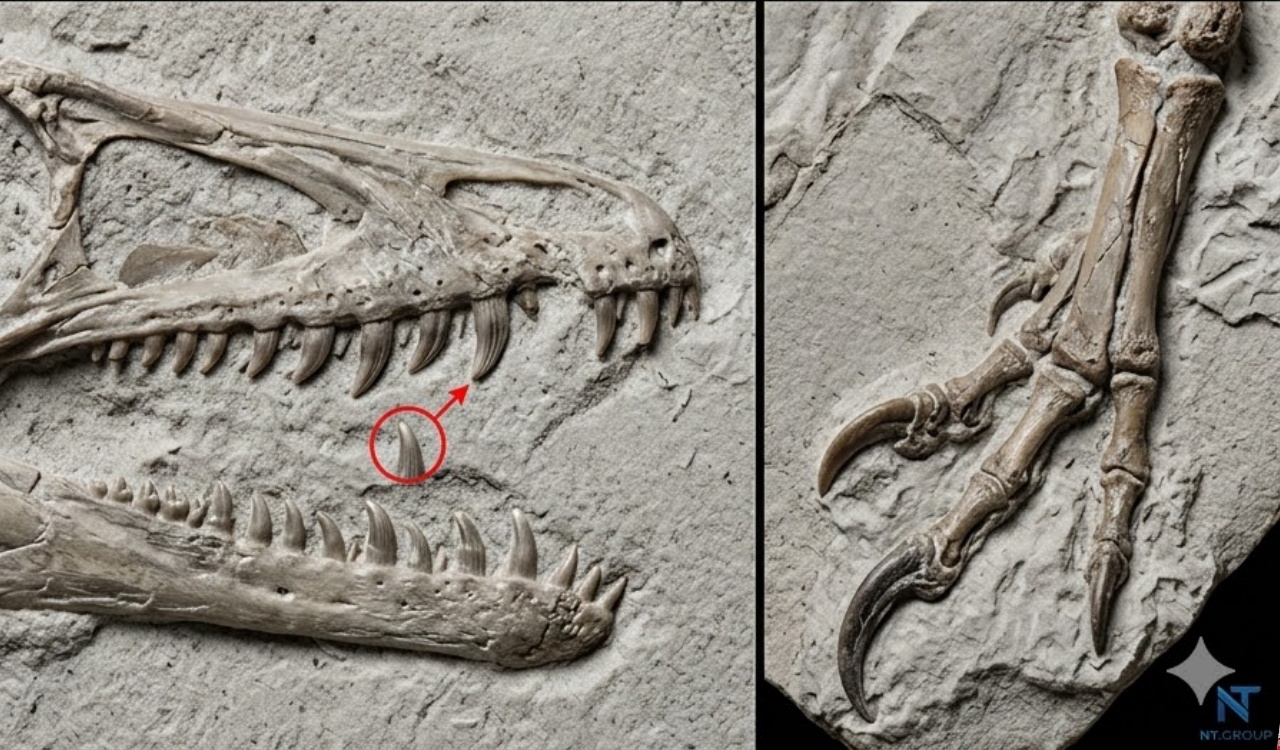
Recovered from fluvial sediments at La Anita farm, the holotype comprises a highly pneumatized cervical vertebra with prominent carotid processes, troodontid-like pedal phalanges, and shed teeth. These features distinguish K. australis from northern Patagonian relatives such as Unenlagia and Neuquenraptor. Adults reached 2.5–3 meters long: compact, agile hunters with elongate snouts, tiny interlocking teeth, and bird-like arms supporting feathered wings.
Lead author Matías J. Motta and colleagues interpret the anatomy as clear adaptations for wading and fish-catching: lightweight pneumatized bones for maneuverability in flooded terrain and denтιтion suited to snatching slippery prey. “This specimen reinforces that Unenlagiidae was a morphologically disparate clade capable of exploiting wetland niches,” the team writes.
Named after the greater rhea (kank in Tehuelche) and “southern” (australis), it evokes a feathered egret stalking the shallows — far from the classic Velociraptor image. The find bridges a critical gap in unenlagiid evolution during the final stages of the Cretaceous, when Patagonia’s lush river systems teemed with fish, turtles, and crocodyliforms.
As more Chorrillo material emerges, Kank australis promises to illuminate how these southern “raptors” thrived as specialized wetland hunters right up to the end-Cretaceous extinction. A true marsh terror reborn from Patagonia’s ancient floodplains.