773,000-Year-Old Hominin Fossils from Morocco: A Prime Candidate for the Last Common Ancestor of Homo sapiens, Neanderthals, and Denisovans.lh
773,000-Year-Old Hominin Fossils from Morocco: A Prime Candidate for the Last Common Ancestor of Homo sapiens, Neanderthals, and Denisovans
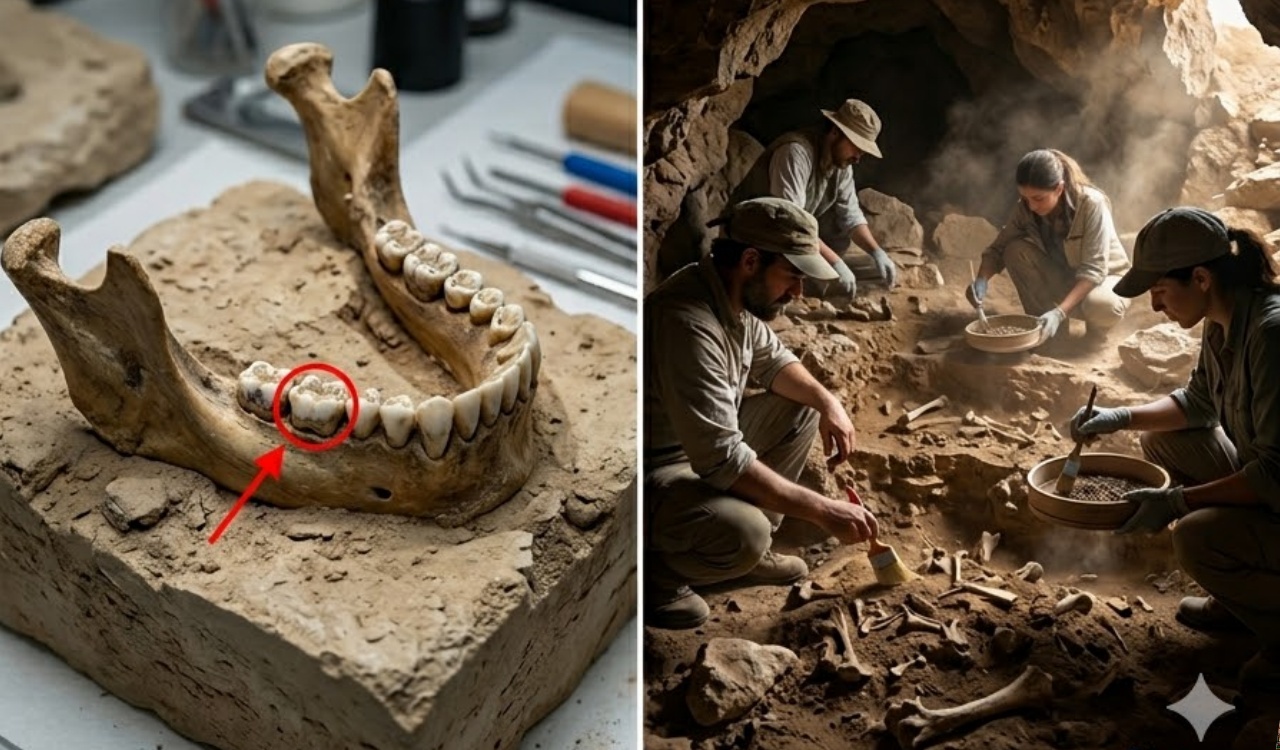
In a groundbreaking Nature paper published in January 2026, an international team led by Jean-Jacques Hublin has unveiled the oldest securely dated hominin fossils from North Africa—pushing the timeline of our shared ancestry deeper into prehistory. Discovered at the Grotte à Hominidés cave in Thomas Quarry I, Casablanca, Morocco, these remains—three partial mandibles (including one from a child), teeth, vertebrae, and a femur fragment—date precisely to 773,000 ± 4,000 years ago.
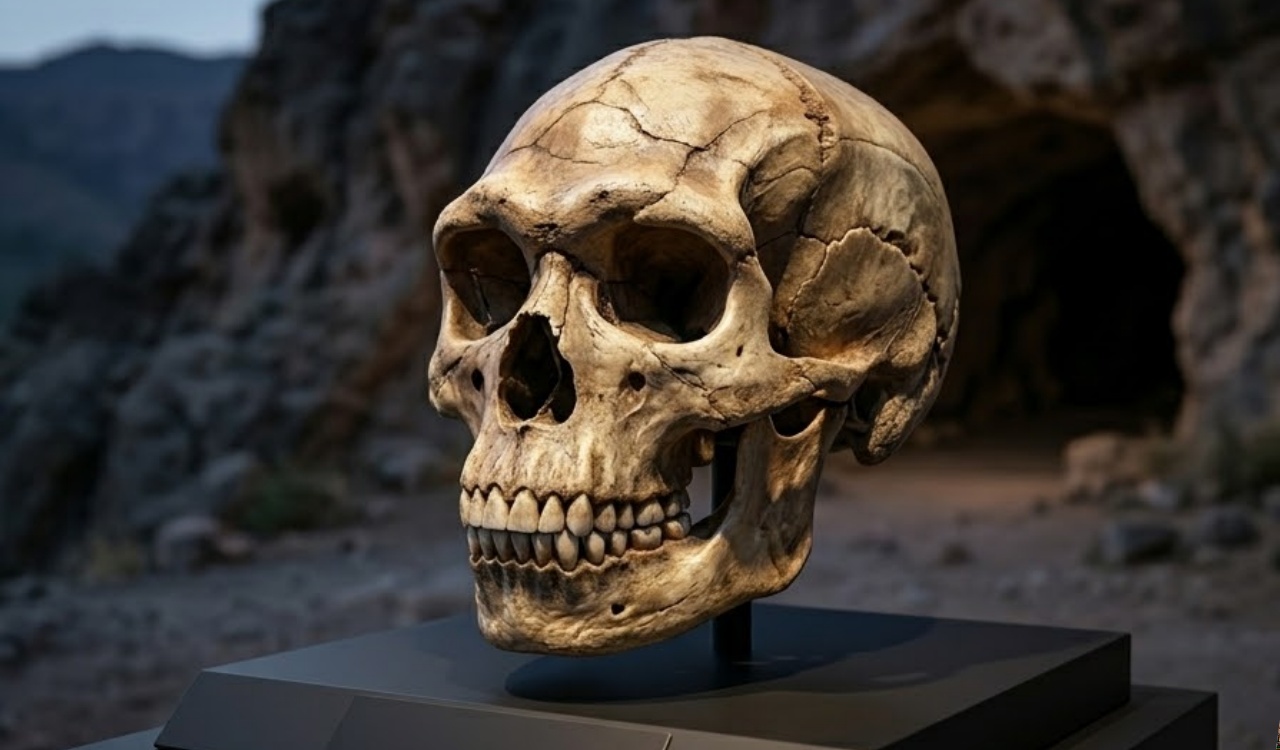
The dating relies on high-resolution magnetostratigraphy: the fossils coincide with the Matuyama-Brunhes geomagnetic reversal, a global chronological marker. This places them squarely within the genetic window (765–550 ka) estimated for the last common ancestor (LCA) of Homo sapiens, Neanderthals, and Denisovans.
Morphologically, the specimens blend archaic Homo erectus-like features with emerging traits seen in later Middle Pleistocene hominins across Africa and Eurasia. They are not Homo antecessor (their European contemporary) but represent a distinct African lineage positioned near the root of the sapiens-Neanderthal-Denisovan clade. As Hublin notes, they offer “essential clues about the last common ancestor” and reinforce a deep African origin for our species.
This discovery fills a critical gap in the African fossil record and challenges Eurasian-centric models. While not definitively “the” LCA—further genetic or more complete specimens would be needed—these fossils are currently the strongest candidates for an early African population at the base of this pivotal evolutionary split. The “cradle of humanity” narrative just gained 473,000 more years of depth in northwest Africa.