520-Million-Year-Old Fossil Larva Youti yuanshi Reveals Cambrian Transition Far More Complex Than Imagined.lh
520-Million-Year-Old Fossil Larva Youti yuanshi Reveals Cambrian Transition Far More Complex Than Imagined
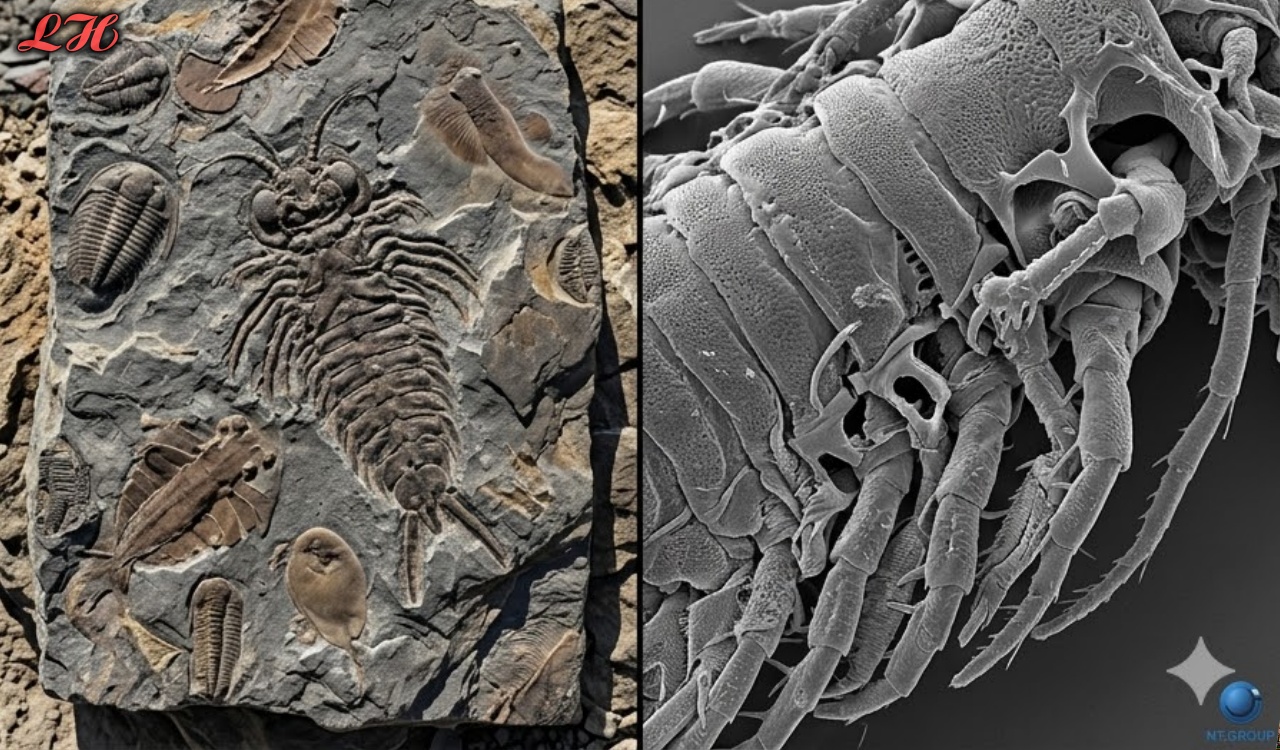
In a Nature paper published July 2024, researchers led by Dr. Martin Smith (Durham University) and Dr. Xianguang Hou (Yunnan University) have described Youti yuanshi—a poppy-seed-sized arthropod larva from China’s 520-million-year-old Yu’anshan Formation. Exceptionally preserved in three dimensions via synchrotron X-ray tomography, the fossil retains a brain, nervous system, digestive glands, a primitive circulatory system, and nerve traces to its simple legs and eyes.
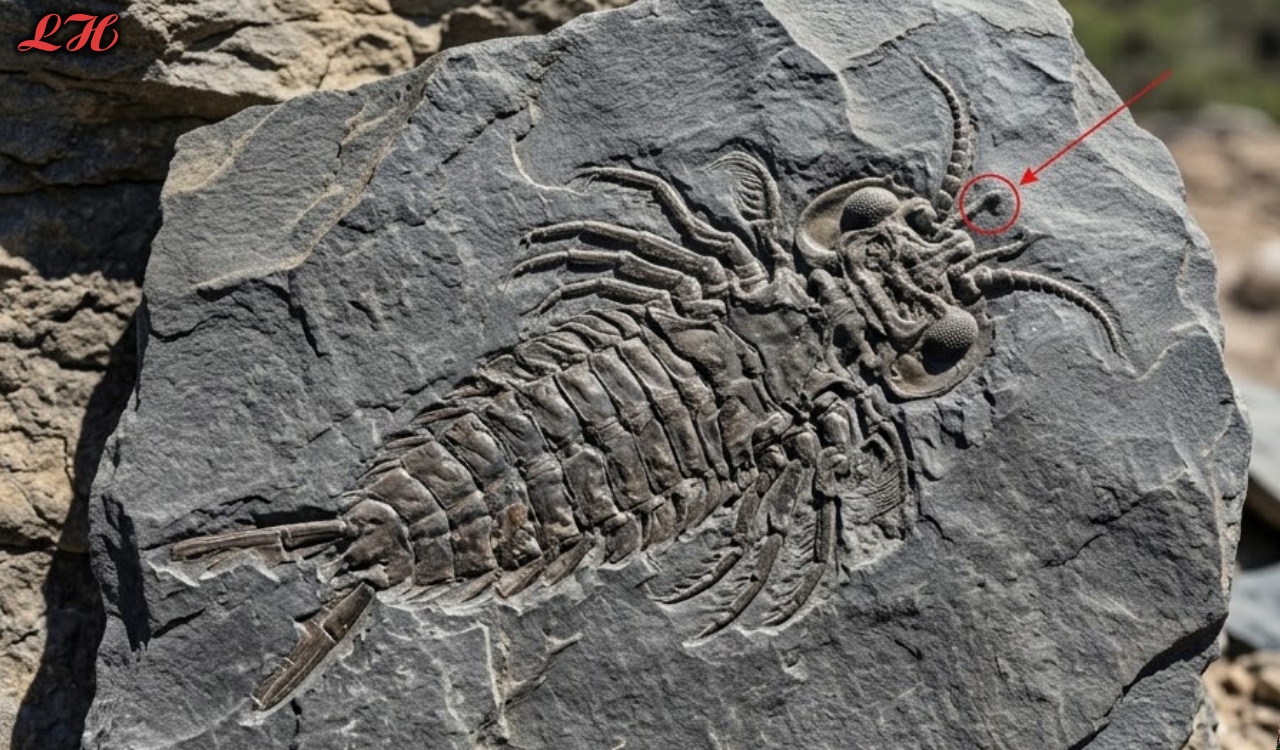
This level of internal detail is unprecedented for Cambrian fossils. Most larvae from the period are flattened impressions lacking soft-tissue information. Youti belongs to the euarthropod stem group—ancestral to insects, spiders, crustaceans, and trilobites—yet already displays a surprisingly sophisticated nervous architecture.
The discovery solves a long-standing puzzle: how did the complex body plans of modern arthropods arise so rapidly during the Cambrian Explosion? Youti shows that key features of the arthropod “toolkit”—segmented nervous system, specialized glands, and early sensory integration—were already in place by the early Cambrian, implying a deeper evolutionary history than previously modeled.
“This tiny larva is a Rosetta Stone,” Smith noted. “It reveals that the Cambrian transition was not a simple burst of new body plans but involved intricate, pre-existing developmental systems.”
By demonstrating advanced internal complexity in one of the earliest euarthropods, Youti yuanshi forces a re-evaluation of the pace and sophistication of animal evolution 520 million years ago. The Cambrian “explosion” now looks even more remarkable—and far more complex—than textbooks once portrayed.