💔 4-Year-Old Nikolai Faces Rare Childhood Disease as Family Holds Onto Hope for Treatment and More Time 🕊️
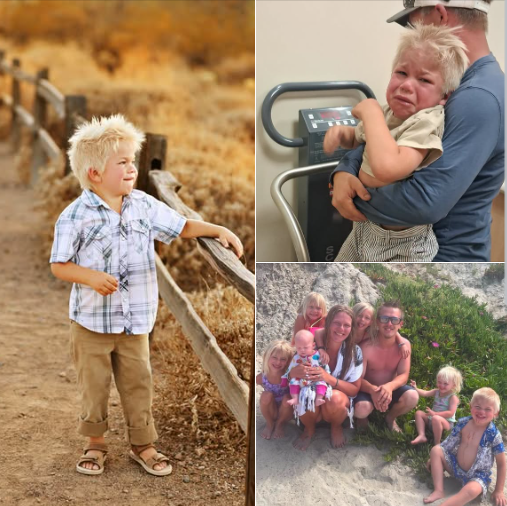
💔 4-Year-Old Nikolai Faces Rare Childhood Disease as Family Holds Onto Hope for Treatment and More Time 🕊️
When most people hear the word dementia, they rarely imagine a young child.
But for one family, that unimaginable reality became part of their daily life.
Now, 4-year-old Nikolai and his family are hoping for awareness, support, and more time together.
Nikolai’s mother, Stephanie, recently shared her son’s story in hopes of helping others understand a rare condition that few families know about.
Just weeks ago, Nikolai was diagnosed with MPS II, also known as Hunter syndrome, a rare genetic disorder caused by the body’s inability to properly break down certain substances. Over time, this buildup can affect multiple organs and the brain.
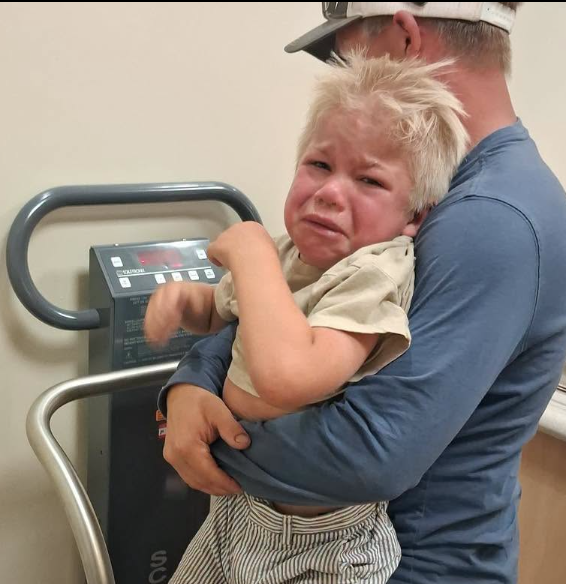 For Nikolai’s family, the diagnosis brought fear, uncertainty, and many difficult emotions.
Stephanie says she had noticed signs that something was different long before receiving answers. She trusted her instincts and continued searching for an explanation, even when she was told that some developmental differences could simply be part of growing up.
Looking back, she says one of her biggest regrets is not receiving answers sooner.
“Trust your instincts,” she shared, encouraging other parents to continue asking questions when they feel something is wrong.
According to Stephanie, Nikolai has already experienced regression, including losing words he previously knew.
 One of the most painful moments for her has been hearing her little boy stop saying familiar words that once filled their home with joy.
As MPS II progresses, some children may experience increasing challenges with communication, movement, and daily activities. Currently, there is no cure, but recent medical advances have provided new hope for families like Nikolai’s.
Stephanie says Nikolai will begin an enzyme replacement therapy designed to help slow the progression of the disease and preserve the abilities he still has. The treatment will require regular infusions and ongoing medical care.
While the road ahead may include many hospital visits, therapies, and uncertain moments, Nikolai’s family is choosing hope.
They are fighting not only for their own son but also for other children and families facing similar diagnoses.
 Stephanie hopes sharing Nikolai’s journey will increase awareness of Hunter syndrome and encourage more research into better treatments and future possibilities.
Above all, she wants people to understand the importance of listening to parents and supporting families navigating rare medical conditions.
For now, the family is focused on making memories, celebrating every milestone, and cherishing every moment they have together.
🙏 Please keep sweet little Nikolai and his family in your thoughts and prayers as they continue this difficult journey filled with courage, love, and hope.