💙 The Rare Condition That Changed Medical History: Understanding Phocomelia and Life Today
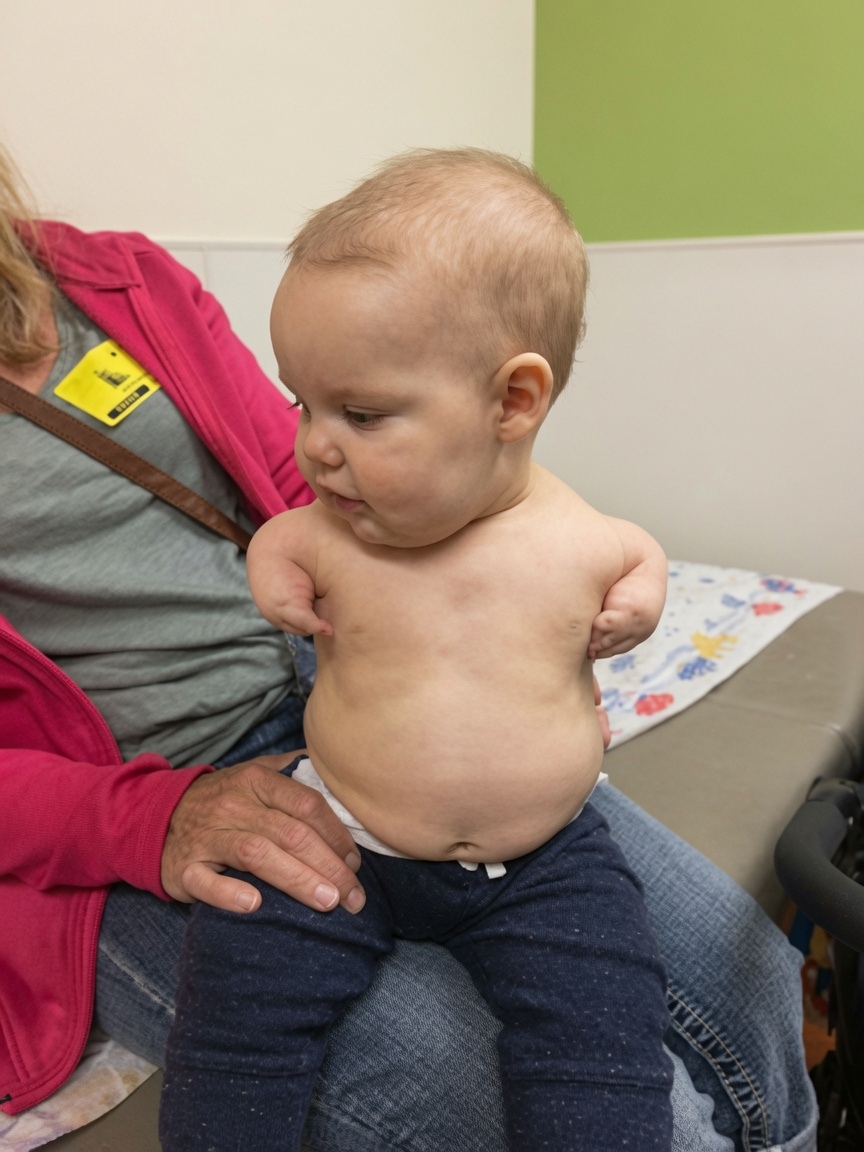
Phocomelia is one of the world’s rarest congenital limb differences, affecting the way a baby’s arms or legs develop before birth. Although uncommon, the condition has become an important part of medical history while continuing to shape the lives of children and families today.
Often referred to as “seal limb,” phocomelia occurs when one or more sections of a limb fail to develop during early pregnancy. In many cases, the hands are attached close to the shoulders because much of the arm did not fully form. The condition varies from person to person, and the hands and remaining portions of the limbs may also be affected.
Phocomelia became widely known during the late 1950s and early 1960s after thousands of babies were born with limb differences linked to thalidomide, a medication that was prescribed in several countries to help relieve morning sickness during pregnancy. Researchers later discovered that taking the drug during the earliest stages of fetal development could interfere with normal limb formation. Once the connection was identified, thalidomide was withdrawn from use for pregnancy, and the number of new cases declined dramatically.
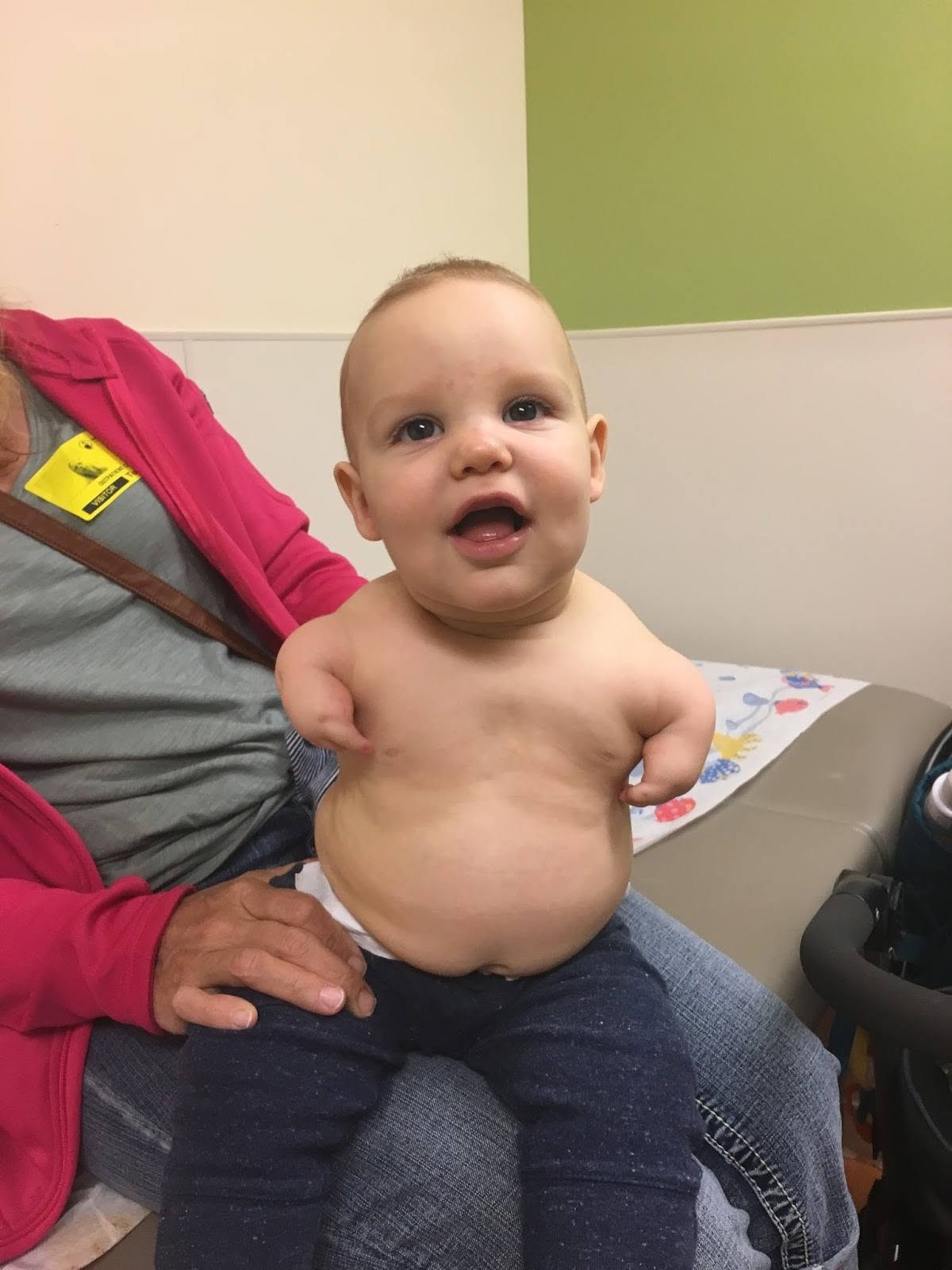
Today, most people born with phocomelia are not connected to the historic thalidomide tragedy. Specialists explain that many cases occur spontaneously during fetal development, while others are ᴀssociated with rare inherited genetic conditions, including Roberts syndrome.
Doctors also note that phocomelia can sometimes be mistaken for other congenital limb differences, such as radial or ulnar longitudinal deficiency. Because these conditions affect limb development in different ways, careful evaluation is important to ensure an accurate diagnosis and the most appropriate care.
Children living with phocomelia often find creative ways to accomplish everyday activities. Tasks such as eating, getting dressed, reaching objects, or writing may require adaptive techniques or specialized equipment. With guidance from occupational therapists and rehabilitation specialists, many children develop practical skills that allow them to become increasingly independent.
Some individuals even learn to use their feet for activities such as writing, drawing, using electronic devices, or eating—demonstrating remarkable resilience and adaptability. Supportive families, schools, and communities play an important role in helping children build confidence and participate fully in everyday life.
Surgery is not appropriate for every child and is usually considered only in selected situations. When performed, procedures generally focus on improving comfort, stability, or function rather than recreating a fully developed limb.
Although phocomelia remains exceptionally rare, advances in rehabilitation, ᴀssistive technology, and specialized medical care continue to improve opportunities for those living with the condition. With early support, encouragement, and access to the right resources, many children and adults with phocomelia lead active, fulfilling, and independent lives.
💙🕊️ Every child deserves the opportunity to thrive, and stories of people living with phocomelia remind us that strength, determination, and possibility are never defined by physical differences.