Why the Teen Who Held Tessa Majors in a Headlock Walked Free After Barely Six Years With No Parole Hearing

Luchiano Lewis, now 21, left Franklin Correctional Facility on October 14, 2026, under New York’s conditional release rules after serving less than seven years of a nine-years-to-life sentence for second-degree murder and first-degree robbery in the death of Barnard College freshman Tessa Majors. State records confirm the release required no parole-board hearing because he had completed two-thirds of the minimum term and signed the standard agreement to obey the law, hold a job, and live at an approved address; he remains under community supervision. He was arrested on February 19, 2020, held in juvenile facilities, and transferred to adult prison only on September 15, 2023, after turning 18, so roughly three years of custody occurred in the state system. Critics including his former defense attorney Mario Gallucci said the outcome made no sense given the documented violence while he was detained.
On December 11, 2019, Lewis, then 14, along with Rashaun Weaver, also 14, and Zyairr Davis, 13, ambushed 18-year-old Majors in Morningside Park near the Barnard and Columbia campuses as she walked looking at her phone. The trio had set out to commit robberies and switched targets after first considering another person. Weaver kicked her from behind and demanded her phone and cash; when she resisted a struggle followed in which Lewis held her in a headlock while Weaver inflicted multiple wounds, including one that pierced her heart. Majors fought back, bit Weaver’s finger, and screamed before staggering up stairs and collapsing; she died at the hospital. Feathers from her down jacket were scattered during the ᴀssault, and Davis later admitted retrieving a dropped knife and handing it back.
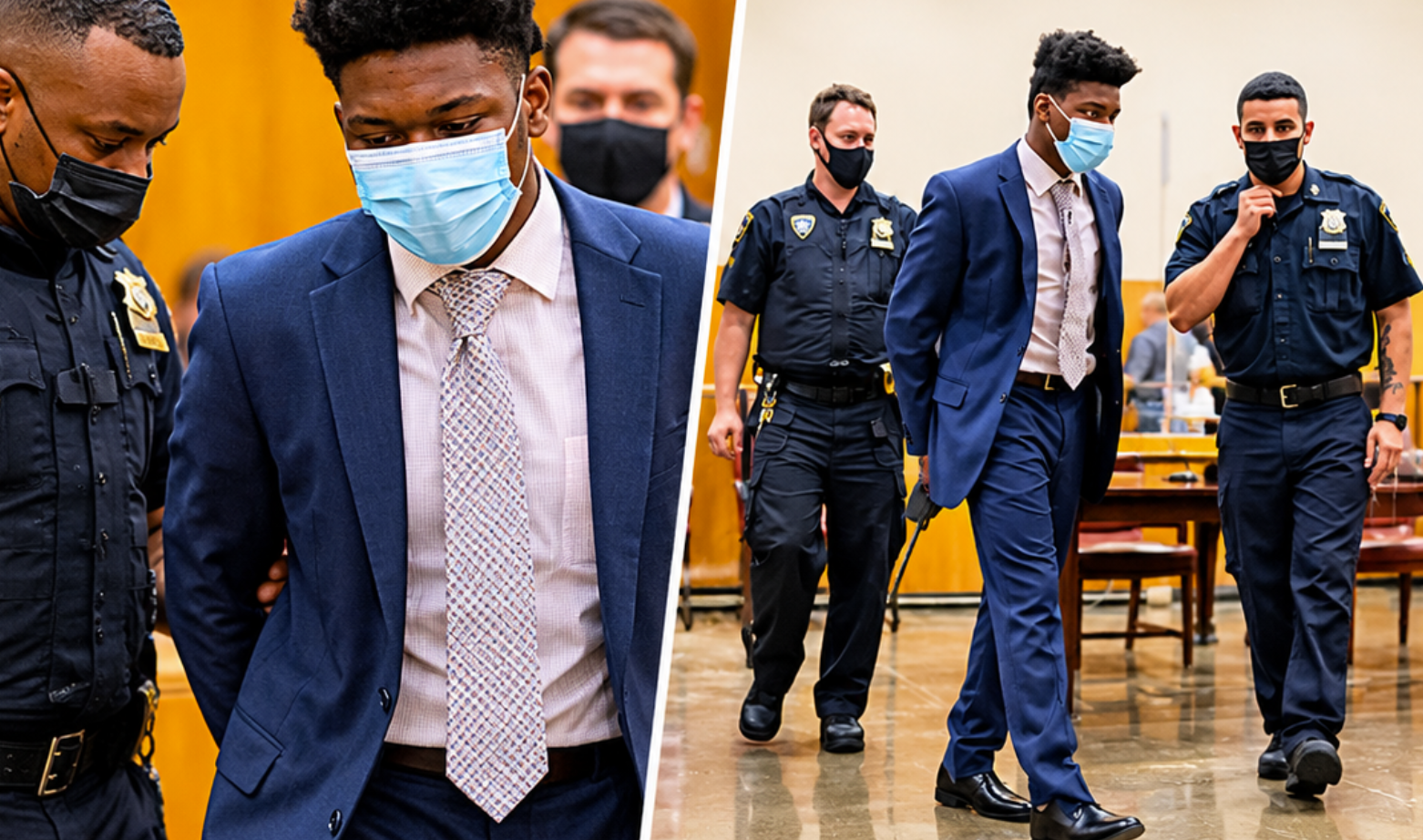
In September 2021 Lewis pleaded guilty and in October received the maximum sentence from Manhattan Supreme Court Justice Robert Mandelbaum, who stated the murder tore at the fabric of the entire city, that it was not an aberration, and that Lewis had learned no lessons. The judge specifically cited Lewis’s record in juvenile detention that included slashing another inmate, multiple gang ᴀssaults, and possession of contraband weapons. Lewis told Majors’ parents he was deeply sorry for their loss and expressed shame to his own father while her father wept in court. The family’s statement described immeasurable pain and the ache of watching her friends live lives she never would, calling her a brilliant student, poet, and fledgling journalist with big dreams.

Weaver continues serving 14 years to life at Coxsackie Correctional Facility while Davis, who received only 18 months in juvenile detention for the robbery, is now held at Rikers on an unrelated attempted-murder charge after allegedly firing sH๏τs into a Harlem crowd in April 2023. Retired NYPD detective Michael Alcazar called the early release horrible for the family and said the system appears to care more about the criminal population than actual victims. Grandmother Nancy Braun has said the family still suffers every single day thinking of the wonderful granddaughter whose life was cut short. The automatic operation of the two-thirds rule has renewed questions about whether violence records already flagged by sentencing judges receive sufficient weight when juvenile offenders become eligible for conditional freedom.
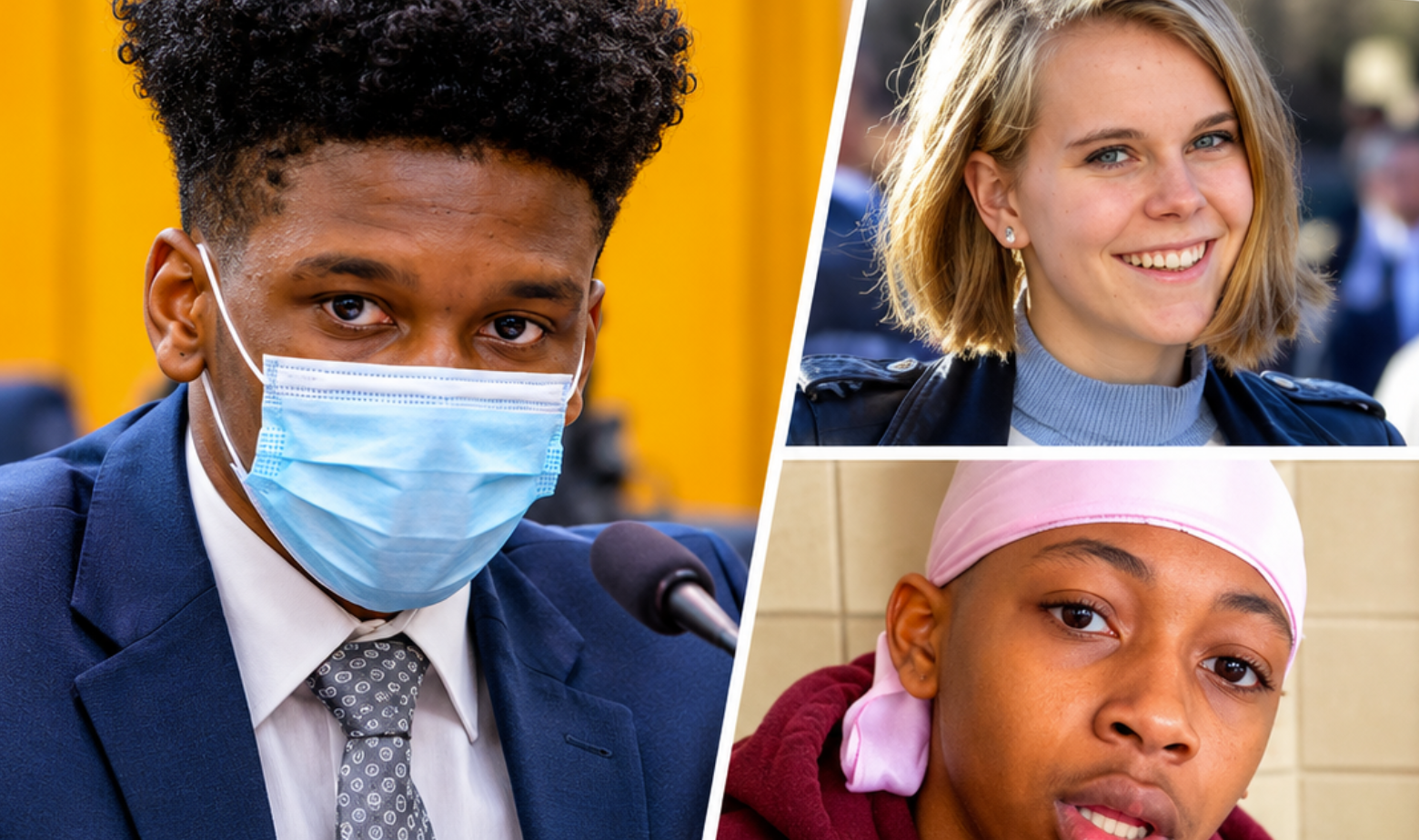
The timing, roughly two months before the seventh anniversary of the killing, has kept public attention on how New York’s early-release formulas can produce outcomes that diverge from the maximum sentences judges impose. Lewis simply signed the required papers and walked out under community supervision. The case continues to illustrate the tension between statutes that emphasize youth and rehabilitation and the severity of a fatal robbery of a college student simply walking home through a park. No discretionary hearing evaluated the disciplinary history the judge had already treated as aggravating. Public and expert reaction has centered on whether the technical thresholds of the statute adequately protect victims’ families and public safety in such cases.