Why a New York Mayor Spoke Twi and a Civil-Rights Leader Talked About Healing at a Teenager’s Funeral
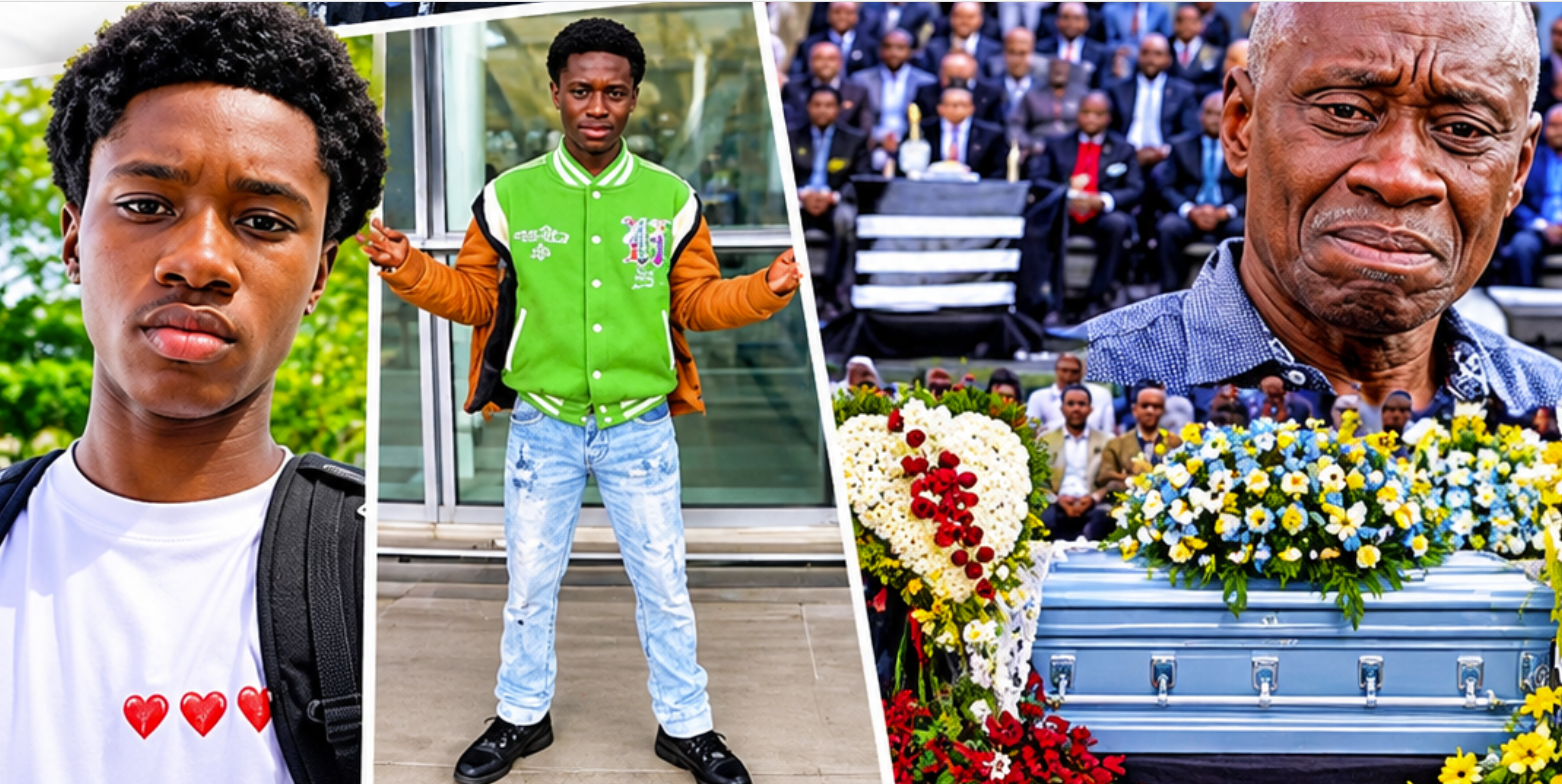
Hundreds of mourners, many in traditional Ghanaian clothing, filled New Covenant Christian Ministries on Boston Road on November 20 far past seating capacity to remember 15-year-old Javits Frimpong. The teenager had lived in the city for one year and one day when he was fatally sH๏τ on his way to school near Crotona Park. Mayor Zohran Mamdani sat onstage with the family and closed his remarks with a few words in Twi, one of the languages of Ghana, drawing a standing ovation. He told the congregation that although Javits had been a New Yorker only briefly, the city would forever be proud to call him one of its own and that he had been, according to everyone who knew him, an extraordinary son, brother and friend with an uncommon sense of purpose.
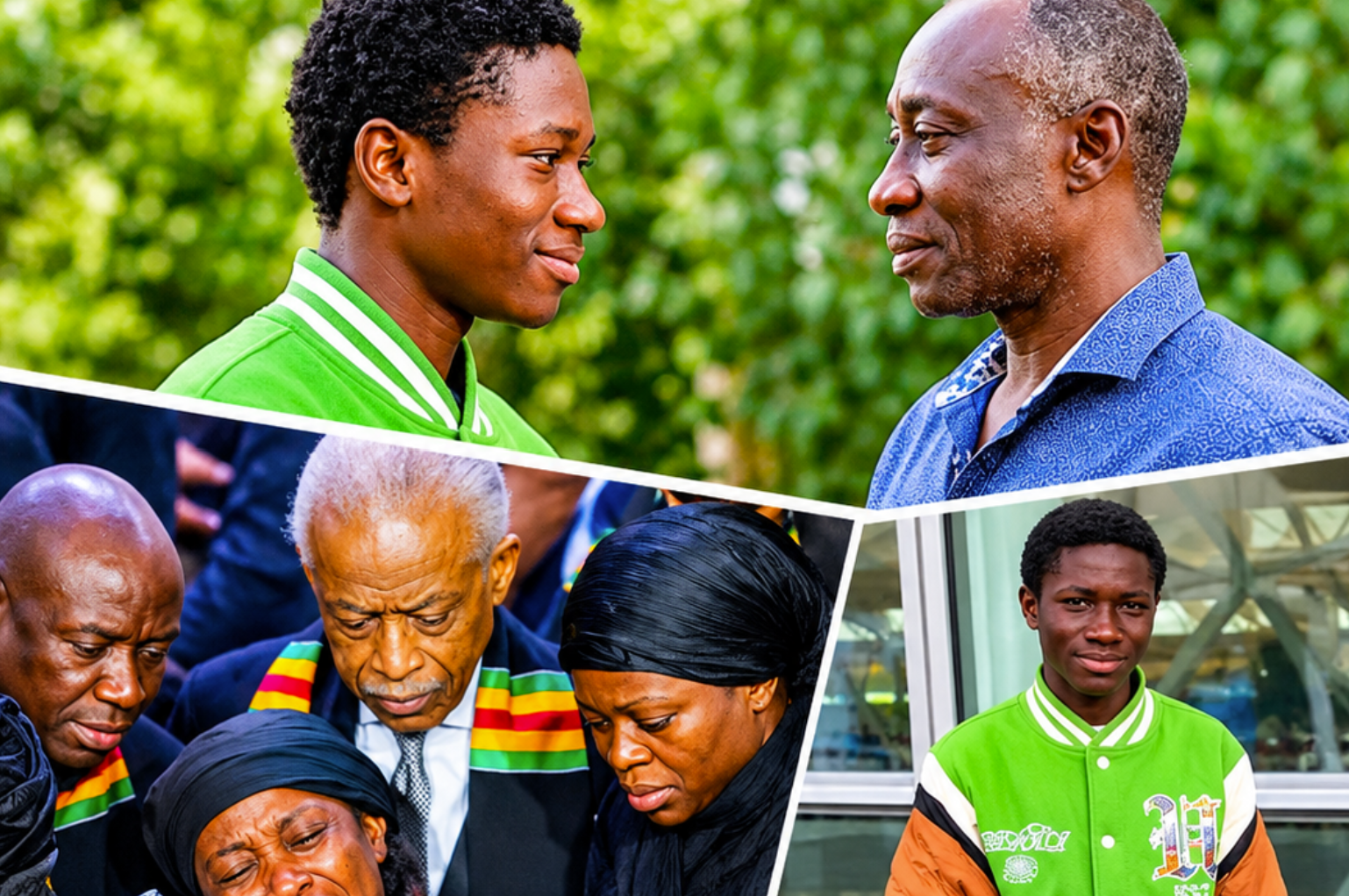
The mayor had earlier worked to secure an emergency visa so Doris Adu Gyamfi could leave Ghana and attend the service; she arrived in time to sit in black beneath the “Justice for Javits” stole. Also present were Attorney General Leтιтia James, Schools Chancellor Kamar Samuels, Representative Ritchie Torres, NYPD Commissioner Jessica Tisch, Bronx District Attorney Darcel Clark and attorney Ben Crump, along with Ghanaian officials. The scale of the official turnout reflected both the city’s reaction to the daytime shooting of a student and the international attention that followed a Ghanaian family’s loss. Students at DreamYard Preparatory School had already staged a walkout, and a GoFundMe had raised more than $800,000 in the intervening weeks.
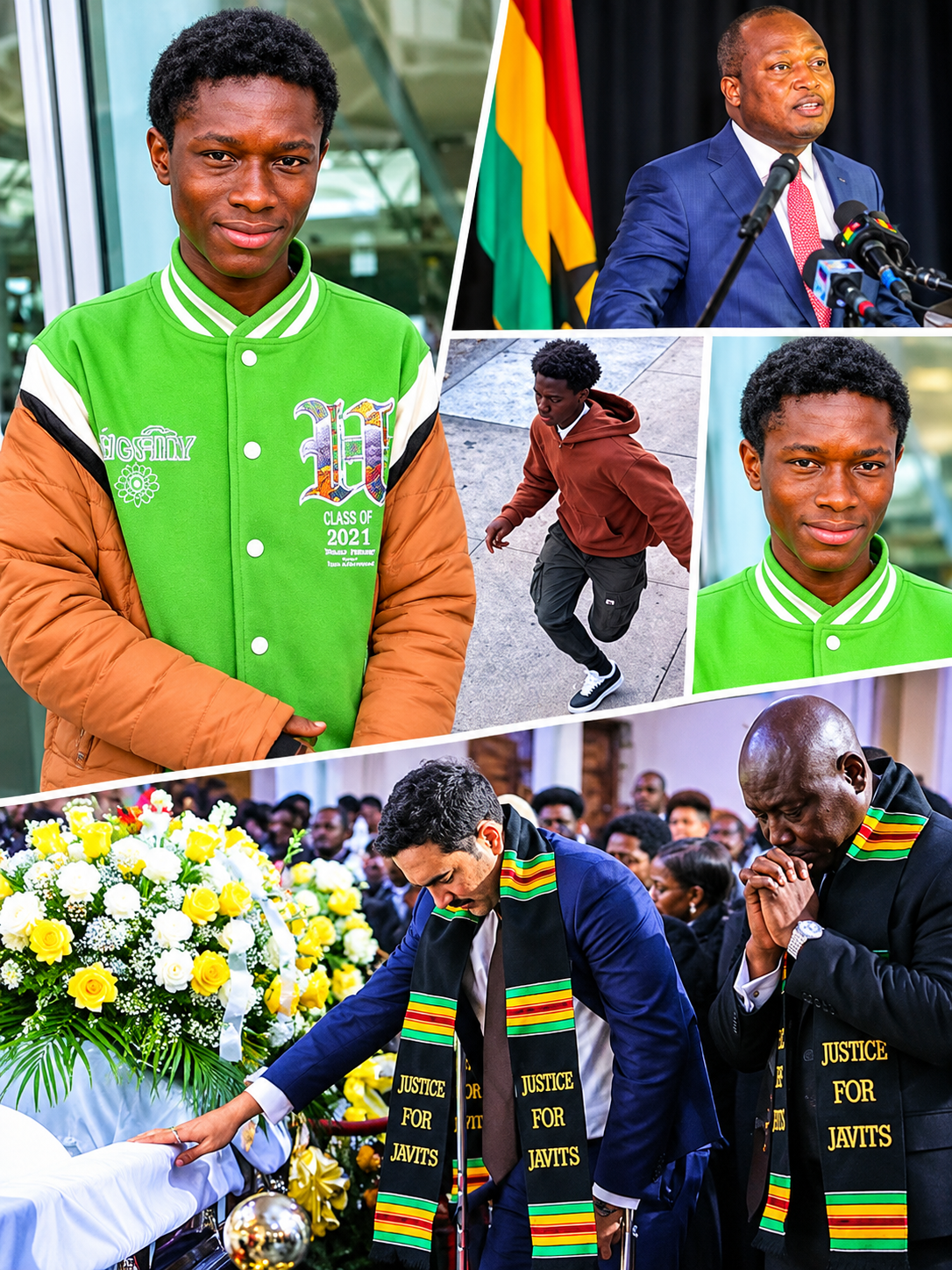
Rev. Al Sharpton delivered the eulogy and used the moment to address youth violence and atтιтudes toward immigrants. “If we don’t stop it with Javits, it won’t stop,” he said, adding that black-on-black hate must end and that Javits, though he never reached medical school, would be used to heal a community. The civil-rights leader’s framing turned a single funeral into a broader call against the pattern of young people dying in the streets. Bronx District Attorney Darcel Clark, for her part, stated that the killers did not attend Javits’s school and that the case was not a bullying incident, then publicly called on the two remaining suspects to turn themselves in.
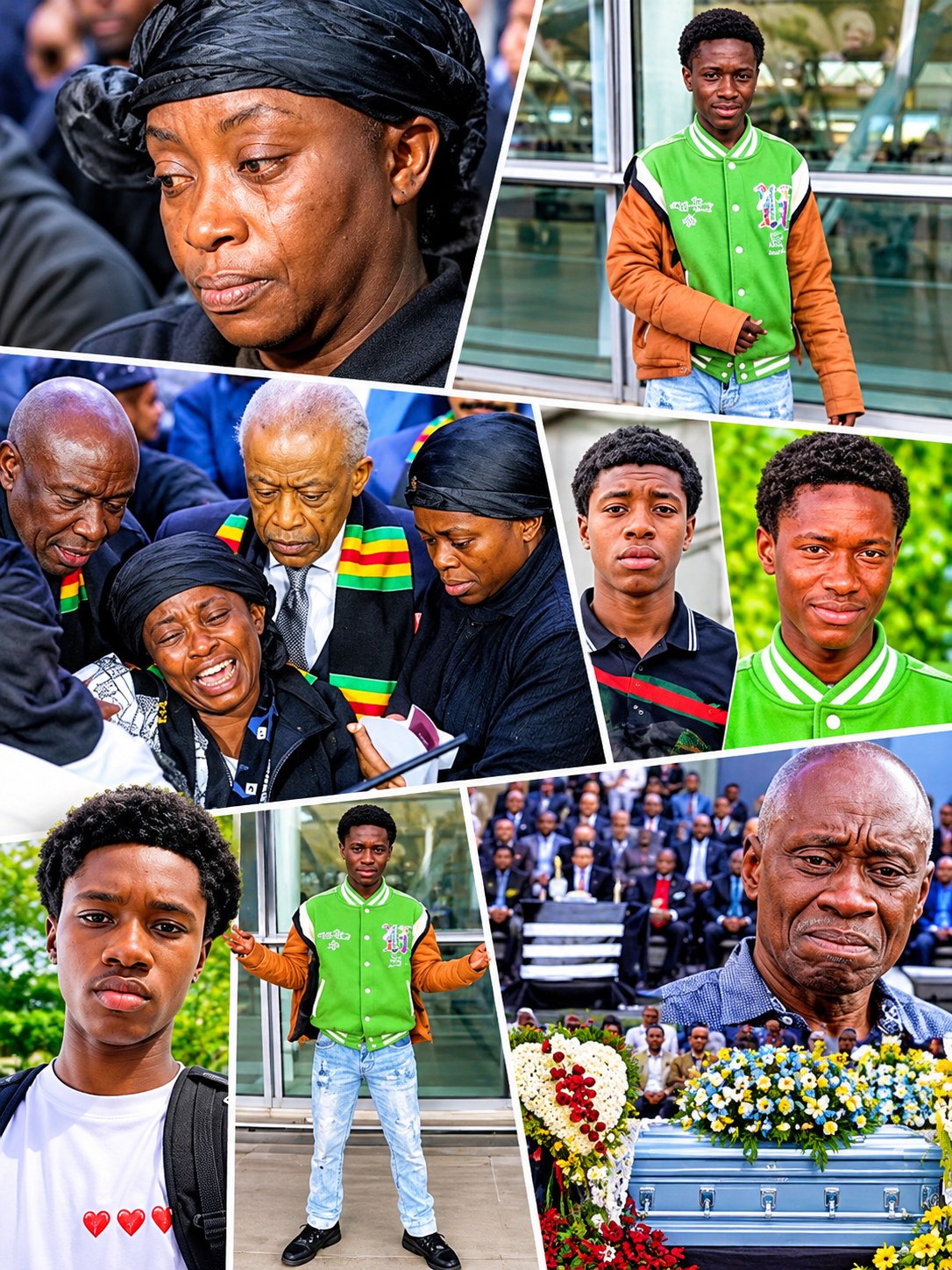
The family’s own statements, read by others, stayed personal. The mother’s words described a heart that had lost its greatest treasure and the pain of everything the boy had yet to become. The father’s words recalled the emptiness of standing by a grave instead of celebrating future achievements and the hope that the journey from Ghana would open doors rather than end in tragedy. A sister recounted how the name Javits itself was born at the Javits Convention Center the day the birth was announced. Those intimate details sat inside a room crowded with elected officials and cameras, making the private grief visible to the entire city.
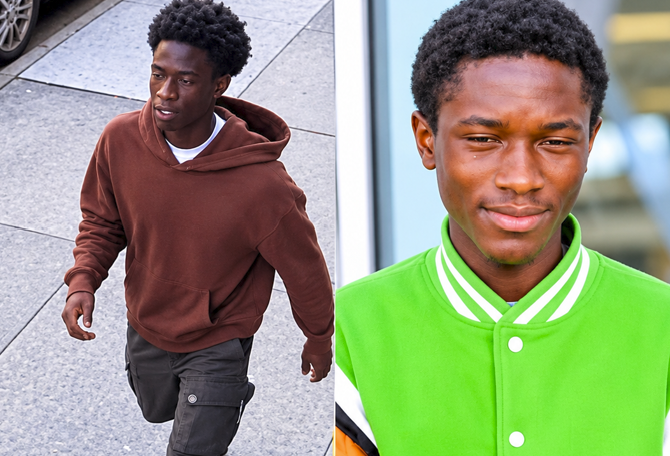
The service ended with burial in Valhalla. One 17-year-old, Thierno Jalloh, faces adult murder charges; two others remain sought. Motive questions—possible mistaken idenтιтy, robbery or earlier school conflicts—remain unresolved in public statements. What the packed church and the mayor’s Twi words made clear is that a teenager who had been in New York for barely a year had already become a symbol both of immigrant aspiration and of the violence that can cut such aspiration short. The standing ovation after the mayor spoke Ghanaian words suggested the crowd understood that the loss belonged to more than one family.