THE MISTRIAL IS OVER — BUT THE FIGHT OVER A SECOND TRIAL HAS JUST BEGUN
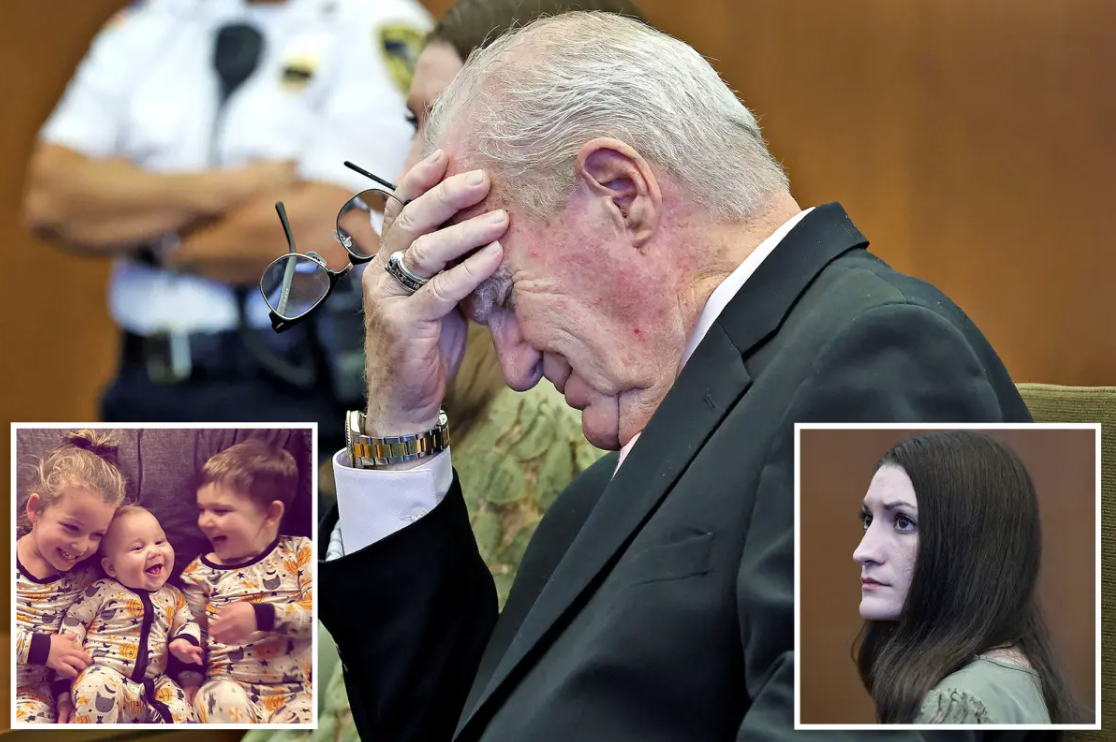
The courtroom in Plymouth may have fallen silent after the Lindsay Clancy jury was dismissed, but the legal battle surrounding the case did not end with the mistrial.
On September 4, Judge William Sullivan declared a mistrial after the jury failed to reach a unanimous decision. The panel had spent approximately 38 to 40 hours deliberating over seven days following a trial that lasted nearly six weeks. The reported division was 11 jurors favoring a finding that Clancy was not criminally responsible and one juror, Michael Desronvil, maintaining that she should be held criminally responsible.
A mistrial caused by a ᴅᴇᴀᴅlocked jury does not automatically resolve the underlying charges. In general, a ᴅᴇᴀᴅlocked criminal trial can lead to another prosecution, although the precise legal circumstances matter. The Supreme Court has recognized that retrial can be permitted after a mistrial caused by a jury’s inability to agree.
That possibility is now at the center of the Clancy case.
The defense is already attempting to stop it. Attorney Kevin Reddington has filed a motion asking the court to acquit Clancy rather than allow another trial. The defense argues that the evidence did not establish criminal responsibility and that the 11-1 division of the jury demonstrates the weakness of the prosecution’s case.
The prosecution has not announced that it will definitely pursue a retrial. According to recent reporting, prosecutors are expected to address the next steps as the September 29 hearing approaches. Until then, Clancy remains in custody at Tewksbury Hospital.
The defense also recently brought attorney Martin Weinberg onto the legal team temporarily to work on a potential double-jeopardy argument. That move adds another legal question to an already complicated case: whether the circumstances surrounding the mistrial permit another prosecution or whether some aspect of the proceedings prevents one.
The answer will not simply depend on the 11-1 split. A jury disagreement is not itself equivalent to an acquittal. The court will have to consider the applicable legal standards and the specific motions presented by both sides.
Meanwhile, the underlying facts remain deeply contested in interpretation even where the basic events are not. Clancy admitted killing her three children, but the trial was fundamentally about her mental state and criminal responsibility. Her defense presented postpartum psychosis as central to what happened, while prosecutors argued that her conduct showed she understood her actions and their consequences.
The September 29 proceeding could therefore become one of the most important moments in the case since the mistrial. It may clarify whether the prosecution intends to continue, whether the defense can prevent another trial, and what legal arguments will shape the next stage.
For now, there is no final verdict on the murder charges. The first trial ended without one, and the next chapter will depend on decisions that have yet to be made.