The Little Girl With Fragile Bones
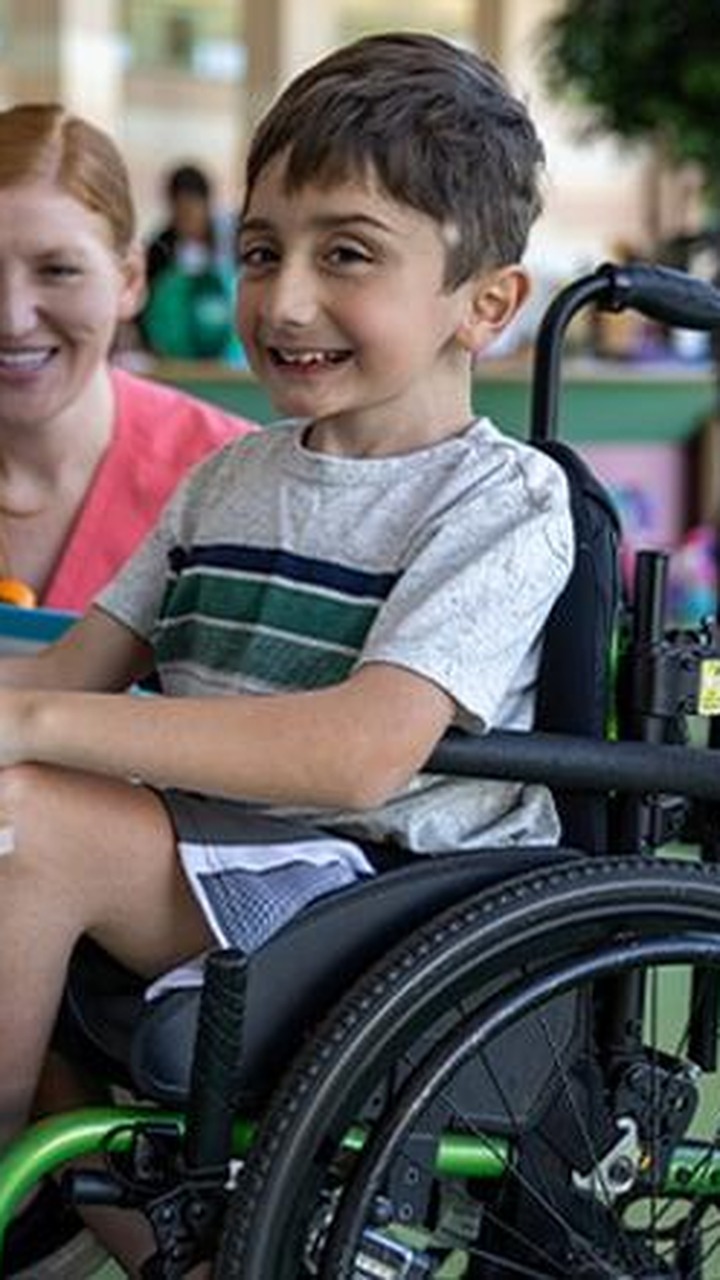
At six years old, Emma was facing a medical condition that had shaped nearly every part of her childhood.
She had been born with Osteogenesis Imperfecta, a rare inherited genetic disorder commonly known as Brittle Bone Disease. The condition affects the body’s ability to produce or properly process collagen, a major component of connective tissue that plays an important role in maintaining bone strength.
As a result, Emma’s bones were unusually fragile and more vulnerable to fractures than those of most children her age.
For many children, running across a playground, jumping over a small obstacle, or playing with friends was simply part of growing up. For Emma, these ordinary activities required careful consideration.
A minor fall or unexpected impact could cause a fracture. Throughout her young life, she had already experienced several broken bones, each one bringing pain, medical examinations, treatment, and another period of recovery.
Her condition affected more than just her ability to walk.
Everyday activities such as getting dressed, moving from her bed to a chair, bathing, and changing positions required additional care. Her parents had learned to handle her carefully, supporting her body while avoiding unnecessary pressure on her arms, legs, and other vulnerable areas.
She often used a wheelchair to help her move around safely and participate in daily activities without putting excessive strain on her body.
For Emma, the wheelchair was not simply a medical device. It was an important tool that helped her explore her surroundings, spend time with family, and experience more of the world around her.
Living with Osteogenesis Imperfecta also meant attending regular medical appointments. Her doctors monitored her bone health, growth, mobility, and any complications ᴀssociated with the disorder.
Depending on her individual needs, treatment could include physical and occupational therapy, carefully planned mobility exercises, fracture management, and medications intended to improve bone health.
Her parents worked closely with healthcare professionals to understand which activities were appropriate and how to support her independence while minimizing the risk of injury.
They had become familiar with hospital visits, recovery periods, and the special precautions needed to care for a child with fragile bones.
But they also wanted Emma to experience the happiness of being a child.
They encouraged her to draw, play, learn, laugh, and discover the things she enjoyed. Whenever possible, they adapted activities so she could participate without unnecessary physical risks.
One of Emma’s biggest dreams was to ride a bicycle someday.
She loved watching other children pedal down the street, their bicycles moving freely beneath them. She imagined having a bicycle of her own, choosing its colors, decorating it, and experiencing the excitement of riding along a peaceful path.
She knew that her condition might make this dream more complicated. Depending on her bone health and medical advice, she might need a specially adapted bicycle, additional support, or another form of ᴀssisted cycling.
Still, she never stopped thinking about it.
Her parents listened whenever she talked about her dream. They wanted her to understand that having a rare genetic condition did not mean she had to stop imagining a future filled with new experiences.
There would be challenges along the way, and some things might require special arrangements. But there were also opportunities to discover different ways of doing the things she loved.
Emma was much more than her medical diagnosis.
She was a six-year-old girl with a bright imagination, a loving family, and a dream that made her eyes sparkle whenever she talked about it.
Her story is a reminder that children living with rare genetic disorders deserve more than medical treatment alone. They deserve encouragement, inclusion, independence, friendship, and the opportunity to pursue their dreams.
And for Emma, the dream of riding a bicycle remained a beautiful reminder of everything she still hoped to experience.