The Little Girl Whose Face Developed Differently on Each Side: Understanding Goldenhar Syndrome
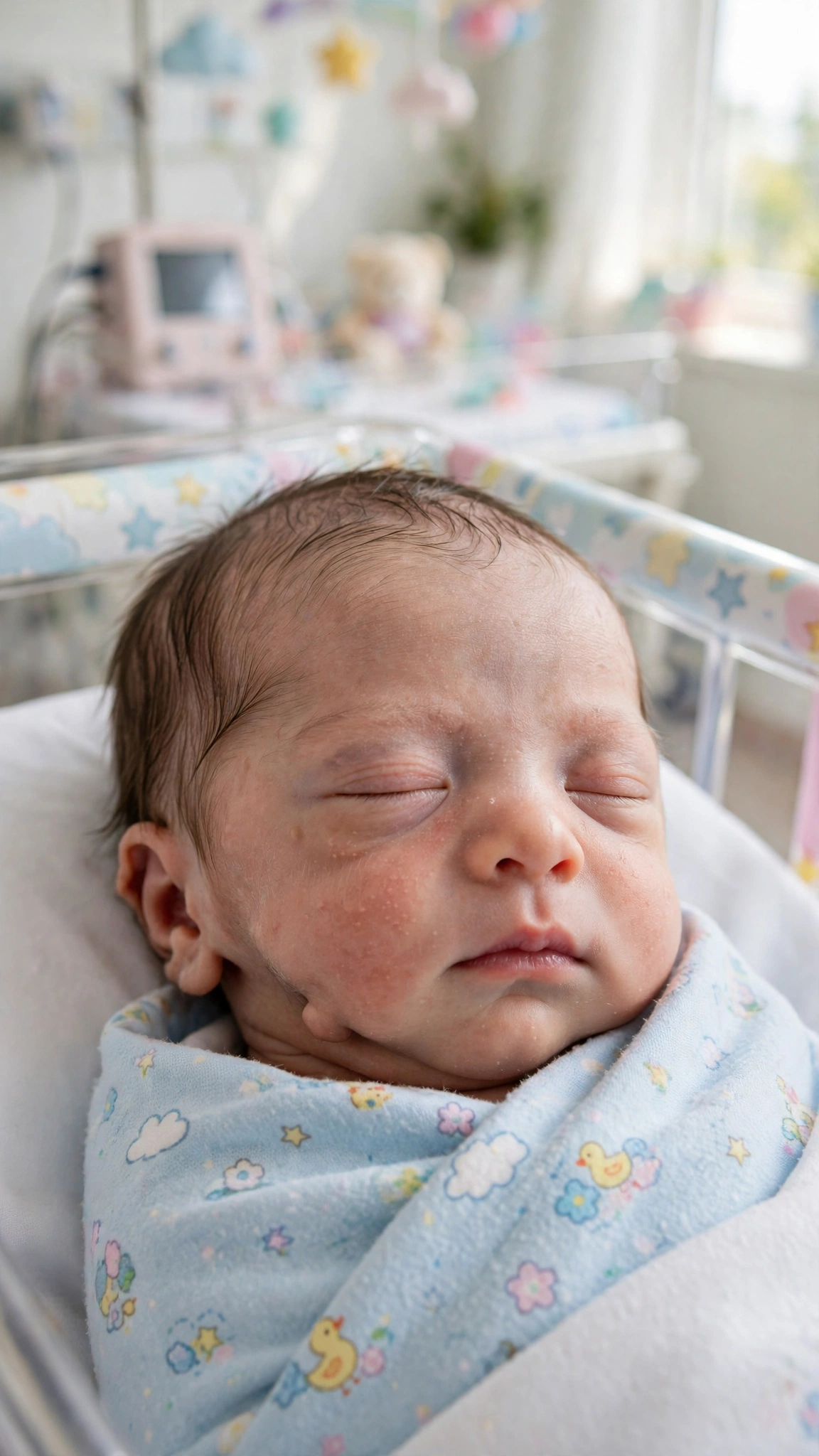
When little Sophia was born, her parents immediately noticed that the two sides of her face did not look the same.
One side appeared noticeably smaller, creating an unusual difference in facial proportions. Her lower jaw was underdeveloped, and one of her ears had formed differently from what is typically seen in newborn babies.
Her cheekbone on the affected side appeared less prominent, while the overall shape of her face showed visible asymmetry.
Her parents were concerned about whether these physical differences might affect her hearing, vision, feeding, and future development.
Following a series of examinations by pediatric specialists, Sophia was diagnosed with Goldenhar Syndrome, also known as oculo-auriculo-vertebral spectrum (OAVS).
This rare congenital developmental condition can affect the formation of the eyes, ears, facial bones, jaw, and sometimes the spine.
What Is Goldenhar Syndrome?
Goldenhar Syndrome is a rare congenital condition that affects the development of structures in the head and face before birth.
It is commonly considered part of the oculo-auriculo-vertebral spectrum, a group of developmental abnormalities involving the eyes, ears, and vertebral structures.
The condition is ᴀssociated with abnormal development of the first and second branchial arches during early embryonic development. These structures contribute to the formation of several important facial features, including parts of the jaw, cheekbones, and ears.
The exact cause remains uncertain. Most cases occur sporadically, although researchers believe that genetic and environmental factors may contribute to abnormal development.
The severity varies considerably. Some children experience only mild facial asymmetry, while others have more extensive abnormalities involving several facial structures and other parts of the body.
Facial Asymmetry and Underdeveloped Jaw
One of the most recognizable characteristics of Goldenhar Syndrome is hemifacial microsomia.
This condition occurs when one side of the face does not develop as fully as the other. The affected side may have an underdeveloped cheekbone, a smaller lower jaw, and differences in the surrounding soft tissues.
The lower jaw may appear shorter or positioned differently, creating noticeable asymmetry when the child is viewed from the front.
In more pronounced cases, the difference in jaw development can affect the alignment of the teeth, chewing ability, and facial growth.
Some children may also experience difficulties with opening their mouths fully or require orthodontic and surgical treatment as they grow.
Eye Abnormalities ᴀssociated With Goldenhar Syndrome
The eyes can also be affected by the condition.
One characteristic finding is an epibulbar dermoid, a benign growth that develops on the surface of the eye, often near the junction between the cornea and the white part of the eye.
These growths may appear as small, pale, or raised areas of tissue. Depending on their size and location, they can cause irritation or interfere with vision.
Some children may also have abnormalities involving the eyelids or other eye structures.
Regular examinations by an ophthalmologist are important to identify potential problems early and determine whether treatment is necessary.
Ear Development and Hearing Loss
Abnormal ear development is another important feature of Goldenhar Syndrome.
Some children are born with microtia, a condition in which the external ear is unusually small or underdeveloped.
In more severe cases, portions of the outer ear may be missing. The ear canal may also be unusually narrow or absent.
These abnormalities can affect the way sound travels through the ear, resulting in conductive hearing loss.
Hearing difficulties may occur in one or both ears, depending on the child’s anatomy.
Early hearing ᴀssessments are essential because untreated hearing loss can interfere with speech development, communication, and learning.
Children who experience hearing difficulties may benefit from hearing aids, bone-conduction devices, or other specialized hearing support.
Spinal Abnormalities and Other Medical Complications
Although Goldenhar Syndrome is primarily ᴀssociated with facial and ear development, some children may also have abnormalities involving the spine.
These can include vertebral fusion, scoliosis, or differences in the formation of individual vertebrae.
The severity of spinal involvement varies, and some children may require regular orthopedic evaluations as they grow.
In certain cases, doctors may also investigate possible abnormalities involving the heart, kidneys, or other organ systems, depending on the child’s clinical findings.
This is why a comprehensive medical ᴀssessment is important following diagnosis.
Diagnosis and Specialized Medical Care
After Sophia received her diagnosis, her medical team needed to evaluate which structures were affected and determine whether any complications required treatment.
Her examinations involved pediatric specialists in craniofacial medicine, audiology, ophthalmology, and other relevant fields.
Doctors ᴀssessed the development of her lower jaw and cheekbones, examined the structure of her ears, and evaluated her hearing and vision.
Imaging studies may be used to examine facial bones, while additional investigations may be recommended if spinal or other internal abnormalities are suspected.
Treatment is individualized according to the severity of the condition.
Children with hearing difficulties may receive hearing devices or other forms of auditory support. Those with significant jaw or facial bone abnormalities may be considered for reconstructive procedures as they grow older.
Surgical treatment may involve reconstruction of the external ear, correction of certain jaw abnormalities, or procedures addressing eye-related complications.
Children with spinal involvement may require orthopedic monitoring and treatment depending on the type and severity of the abnormality.
Not every child requires surgery, and some children need only regular specialist follow-up.
Growing Up With Goldenhar Syndrome
For Sophia’s parents, receiving the diagnosis was an emotional experience. They had many questions about how their daughter’s condition might affect her childhood and future development.
Over time, they learned that Goldenhar Syndrome presents differently in every child. The physical characteristics, medical complications, and treatment requirements can vary considerably.
Many children can attend school, develop friendships, participate in everyday activities, and enjoy childhood with appropriate medical and developmental support.
Hearing and vision ᴀssessments, early intervention, and individualized treatment can make a meaningful difference in a child’s development.
Sophia’s family hoped that she would grow up in an environment where her physical differences would never prevent her from feeling accepted, confident, and loved.
A Child Is More Than a Diagnosis
Sophia’s face developed differently on each side, but her appearance was only one part of her story.
Behind the diagnosis was a little girl who deserved the opportunity to learn, play, make friends, and experience the world just like any other child.
Her family understood that her medical journey might involve regular appointments and possible procedures, but they also knew that the right support could help her develop and reach her potential.
Goldenhar Syndrome is a reminder that congenital developmental conditions can create visible physical differences and medical challenges, but they do not define a child’s idenтιтy or worth.
Every child deserves compᴀssion, appropriate healthcare, and the opportunity to build a future filled with possibilities.
Medical Disclaimer: This article is intended for educational purposes only. Goldenhar Syndrome varies significantly between individuals. Diagnosis, monitoring, and treatment should be guided by qualified healthcare professionals.