The Fatal Fall From Skeleton Bridge: Maria Eduarda’s Bungee Tragedy and the Catastrophic Human Error That Cost a 21-Year-Old Her Life
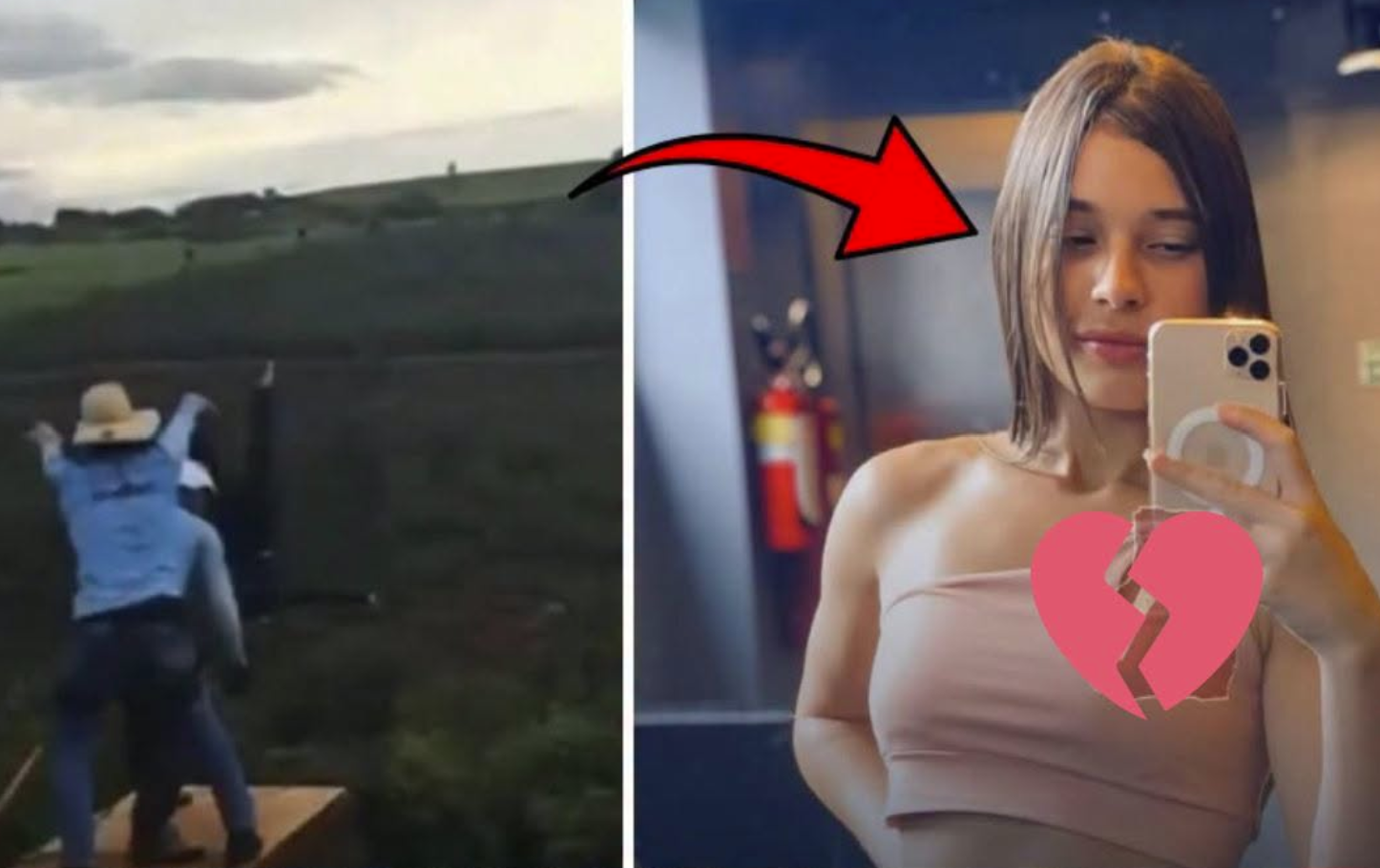
On a June afternoon in Limeira, São Paulo, 21-year-old Maria Eduarda Rodrigues de Freitas arrived at the historic Skeleton Bridge full of excitement for what she believed would be an unforgettable rope-jump adventure. The disused railway bridge, known locally as Ponte do Esqueleto, had become a popular spot for guided thrill experiences, and she had signed up through a local operator offering the chance to leap from the edge with a safety cord.
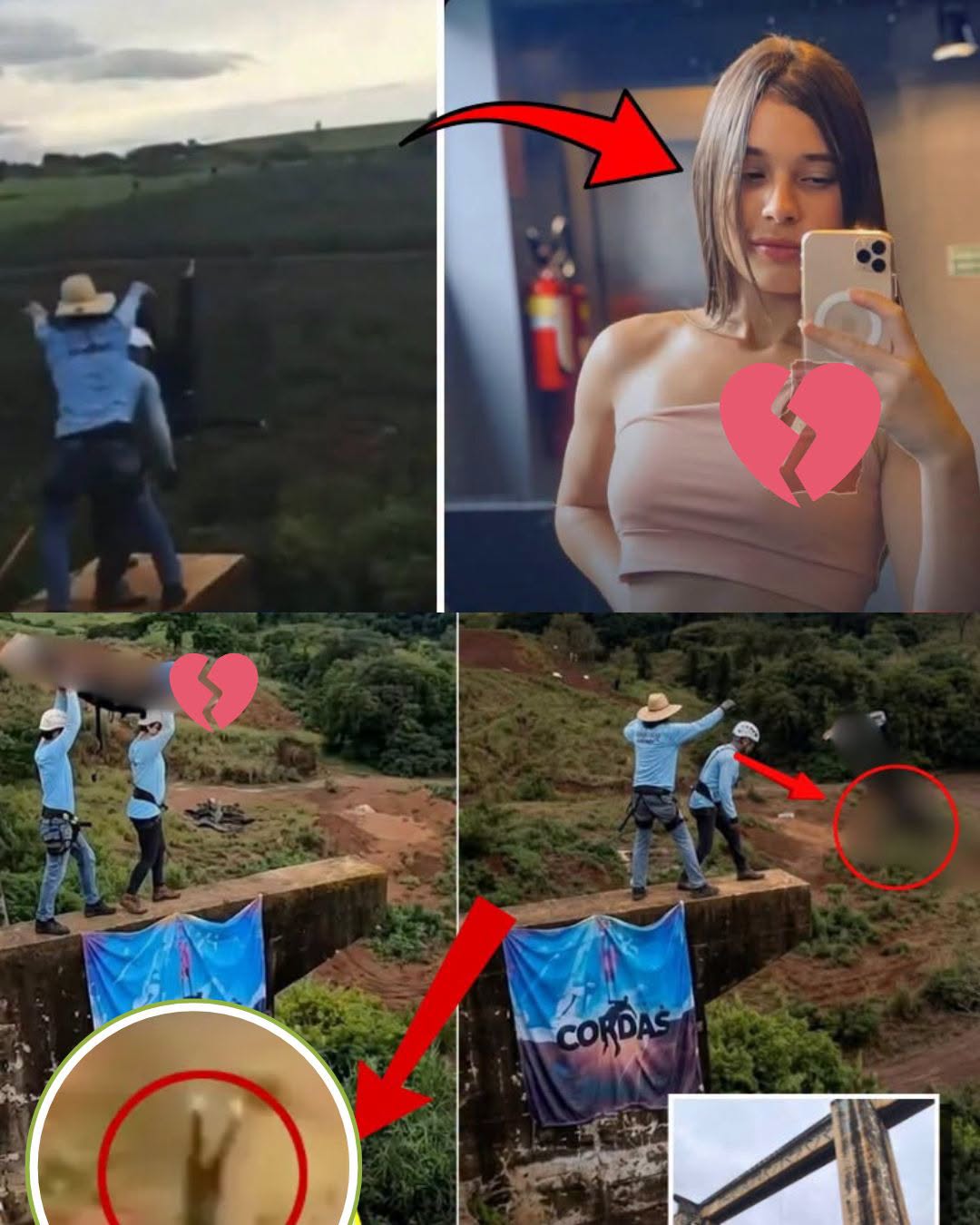
What happened next has been captured in widely circulated video that shows staff lifting her into a Superman-style position, arms outstretched, before pushing her forward into the open air. In that instant the unthinkable occurred: the safety cord had never been attached to her harness. She plummeted approximately 40 meters to the ground below and died at the scene despite emergency response efforts. The horror of the footage lies in its ordinariness turning catastrophic in seconds; three staff members can be seen handling the jump procedure, yet the critical step of securing the rope was missed entirely.
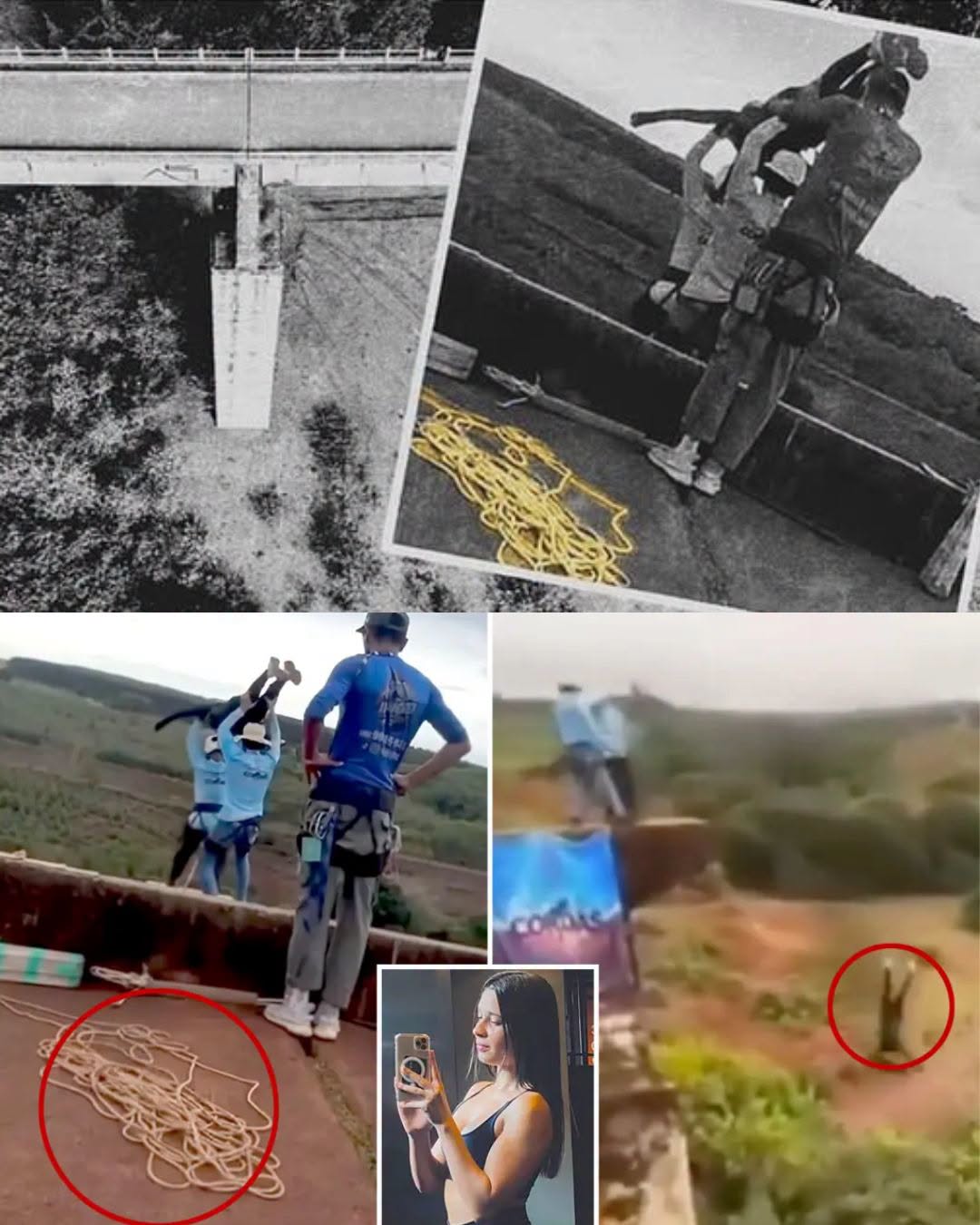
Brazilian authorities moved swiftly, arresting six individuals connected to the operation and charging three instructors with homicide. During questioning, the workers reportedly claimed they experienced a mental blackout or could not recall whose specific responsibility it was to attach the cord that day. The company behind the jumps was operating in a manner that investigators later described as unlicensed or improperly regulated for such high-risk activities. Maria Eduarda’s family has expressed profound grief and demanded full accountability, describing her as a vibrant young woman who had recently graduated in physical education and sports management and was looking forward to new adventures. While some unverified social media posts have circulated claims about autopsy findings suggesting sedatives in her system, official reporting and police statements have centered exclusively on the preventable human error of the missing safety cord and the failure of basic protocols.
The tragedy has sparked urgent conversations across Brazil about the regulation of adventure tourism, the need for stricter oversight of operators offering bungee-style jumps from bridges and other structures, and the devastating consequences when even one step in a safety chain is forgotten. Friends and witnesses who saw the video described an almost surreal quality to the moment she was launched, the realization dawning too late among the staff on the bridge. Investigations continue into how such an experienced team could overlook the single most important element of the entire procedure. The case has already led to broader scrutiny of similar operations nationwide, with calls for mandatory double-check systems, better training, and perhaps the eventual banning of unregulated jumps from public infrastructure. Maria Eduarda’s story is a painful illustration of how quickly excitement can turn to irreversible loss when safety procedures collapse, and why families and regulators alike are now pushing for changes that could prevent any future repeтιтion of this exact nightmare.