“The DNA Says We Didn’t Do It”: Burke Ramsey Breaks Decades of Silence and Points Straight at the Killer’s Genetic Trace
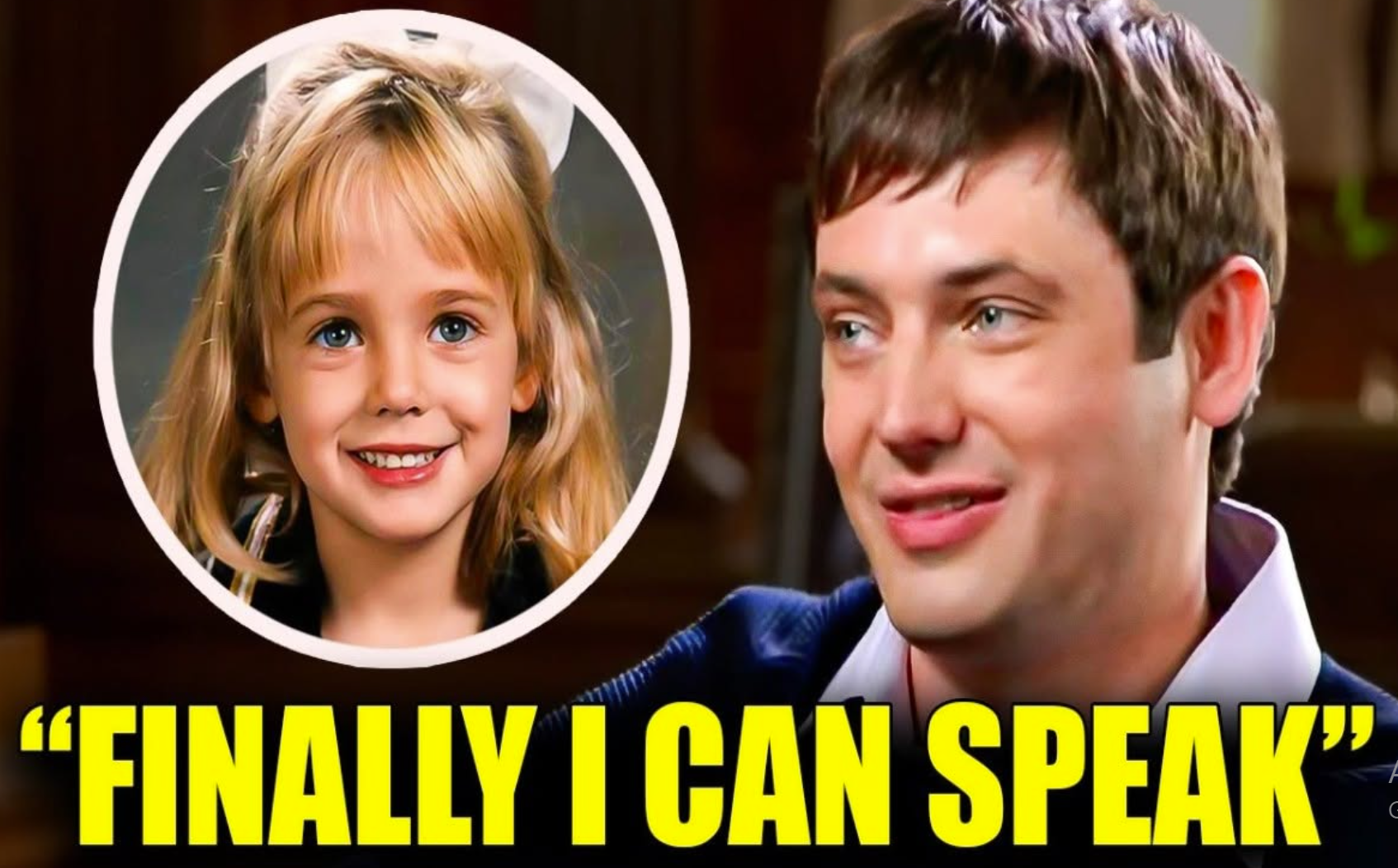
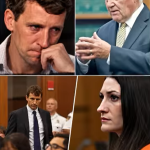
Burke Ramsey was nine years old when his sister was killed. For most of the three decades since, he stayed largely out of the public eye while theories about the family circulated without end. In interviews timed to the new ABC investigation, he spoke plainly about the DNA that has never matched him, his father, or his mother. He said the material recovered from JonBenét’s underwear and under her fingernails clears the household, and he described it as the strongest remaining lead. He wants the samples sent again to laboratories using current methods, arguing that the technology now available was not present when the original testing was performed. His comments add a direct family voice to the official efforts described in the November 6 special.
The 2008 touch-DNA result is central to the account he gives. That testing detected the same unknown male profile on the outside of the pajama bottoms that had been found inside the underwear, and it did not belong to any Ramsey. Then-District Attorney Mary Lacy wrote to John Ramsey that the scientific evidence supported clearing the immediate family. Burke has repeated that the DNA “says we didn’t do it” and that he knows none of the family was responsible. He has also noted that public suspicion continued long after the formal statement from the district attorney’s office. The new 20/20 episode includes his interview among the nineteen conversations secured by Diane Sawyer and Aaron Katersky, some of them with people speaking on camera for the first time.
Police have not announced any new match. Chief Stephen Redfearn confirmed in his first on-camera discussion of the case that detectives are in discussions with labs about forensic genetic genealogy, but he emphasized the caution required when the remaining material is limited. Testing that consumes the sample would leave no second chance. Burke’s call for additional work sits alongside that official caution. He has said the DNA under the fingernails is probably from the person who committed the crime and that finding a match is the best available path. The special places those statements against the history of the investigation, including the ransom note found in the house and the absence of any subsequent communication from a kidnapper.
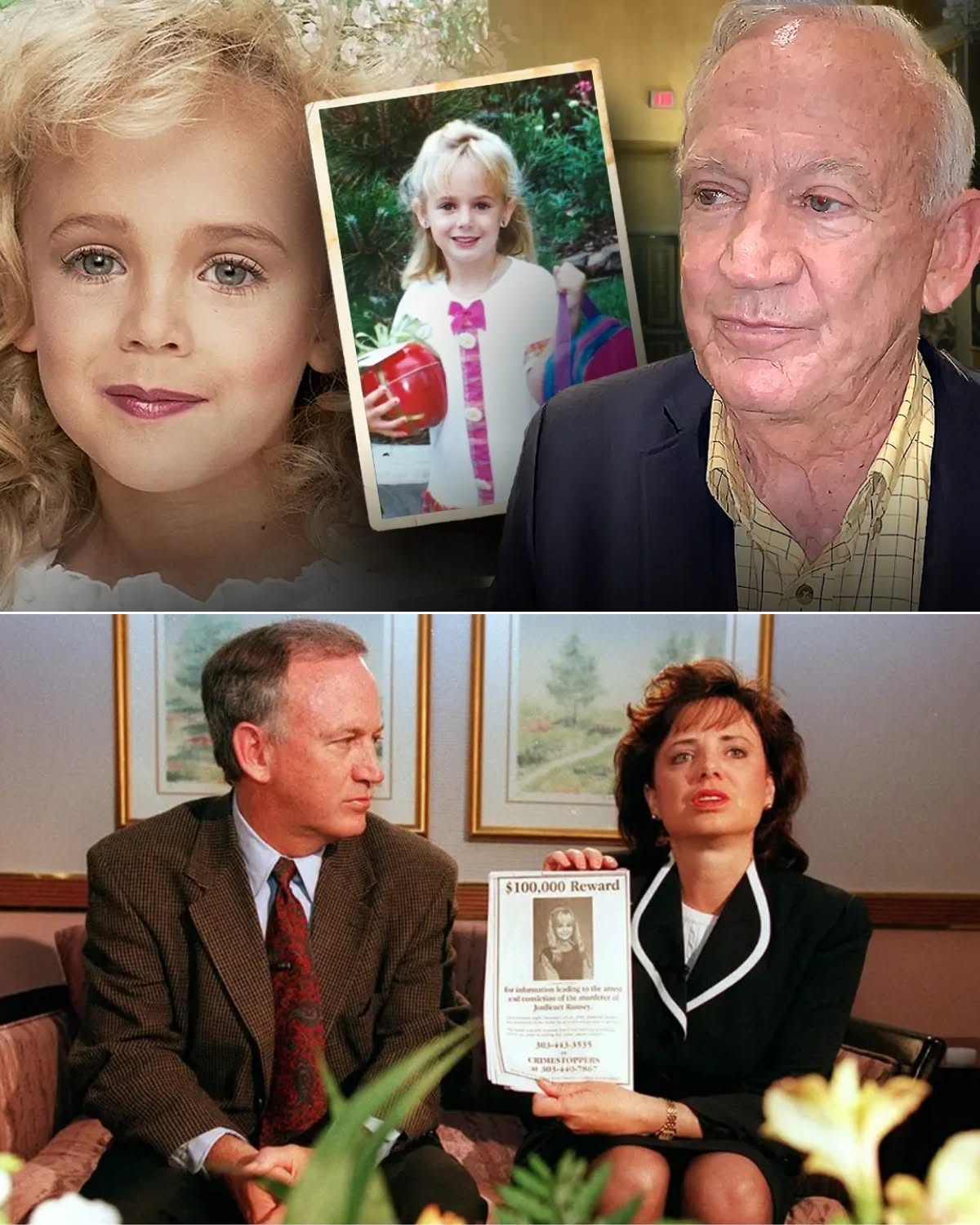
No arrest has followed the renewed attention. The case is still classified as an open homicide. Investigators continue to log tips and re-examine evidence as methods improve. Burke’s interviews do not claim to solve the murder; they insist that the unidentified male profile remains the clearest forensic avenue and that further testing should not be delayed. The November 6 broadcast and its streaming availability on Disney+ and Hulu bring those family statements into the same frame as the police department’s current conversations with genetic-genealogy laboratories, keeping the focus on what the DNA might still reveal about the person who left it behind.